
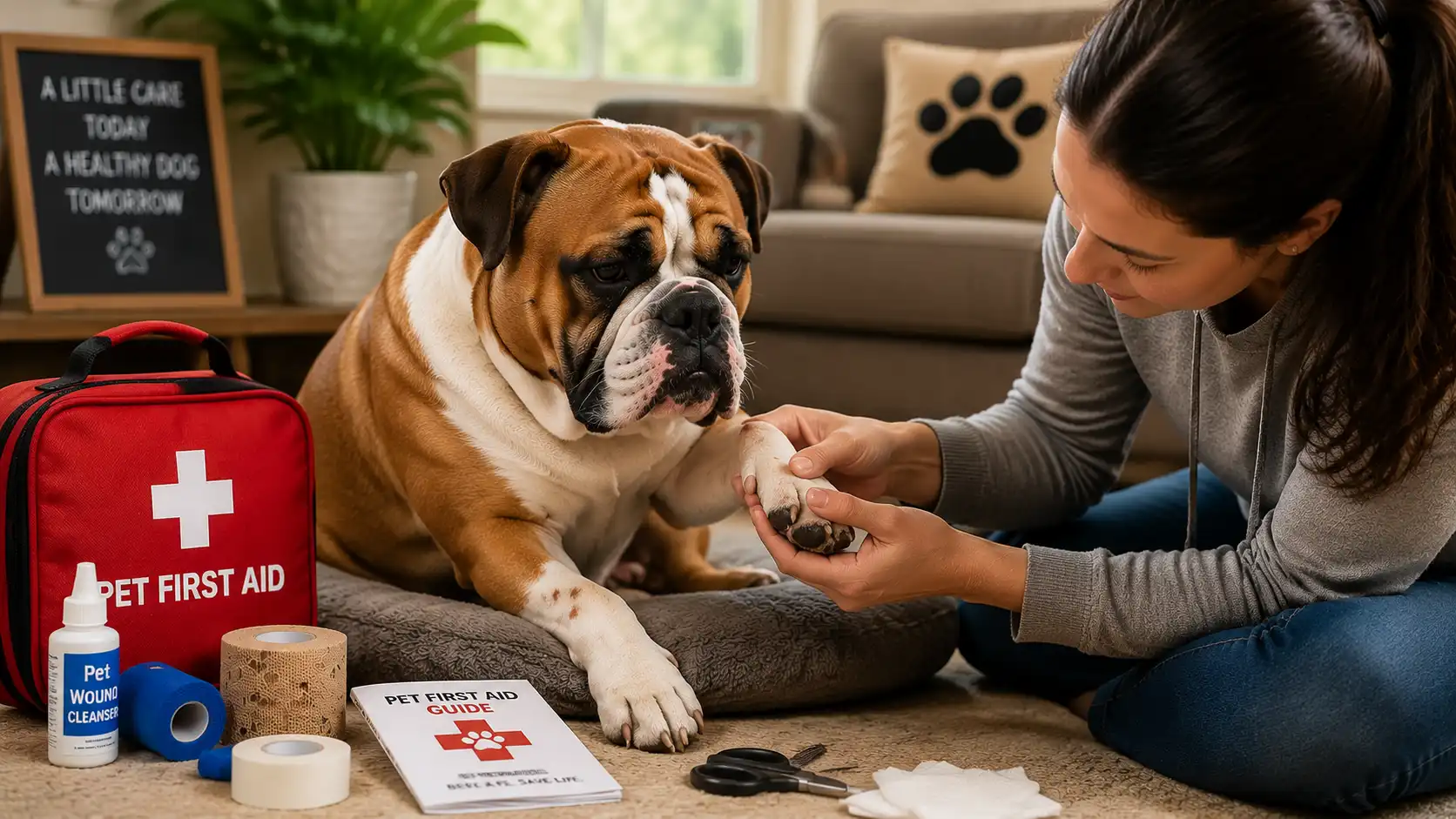
Owning a Continental Bulldog is a rewarding experience, but it comes with unique responsibilities. While this breed is generally healthier than many other bulldogs, accidents and health issues can still occur. Knowing how to respond promptly and effectively can save your dog’s life and minimize complications. This guide covers first aid essentials for Continental Bulldog owners, with a focus on US-specific resources and practices.
Why First Aid Knowledge Matters
Continental Bulldogs have a compact, muscular build, but they are prone to certain injuries due to their active and playful nature. Even minor incidents, such as cuts, sprains, or heat exposure, can escalate quickly without proper care. Understanding basic first aid allows you to act decisively while waiting for veterinary assistance. In the US, many veterinarians recommend that dog owners keep a first aid kit at home and learn fundamental skills that can be used in emergencies.
Essential First Aid Kit for Continental Bulldogs
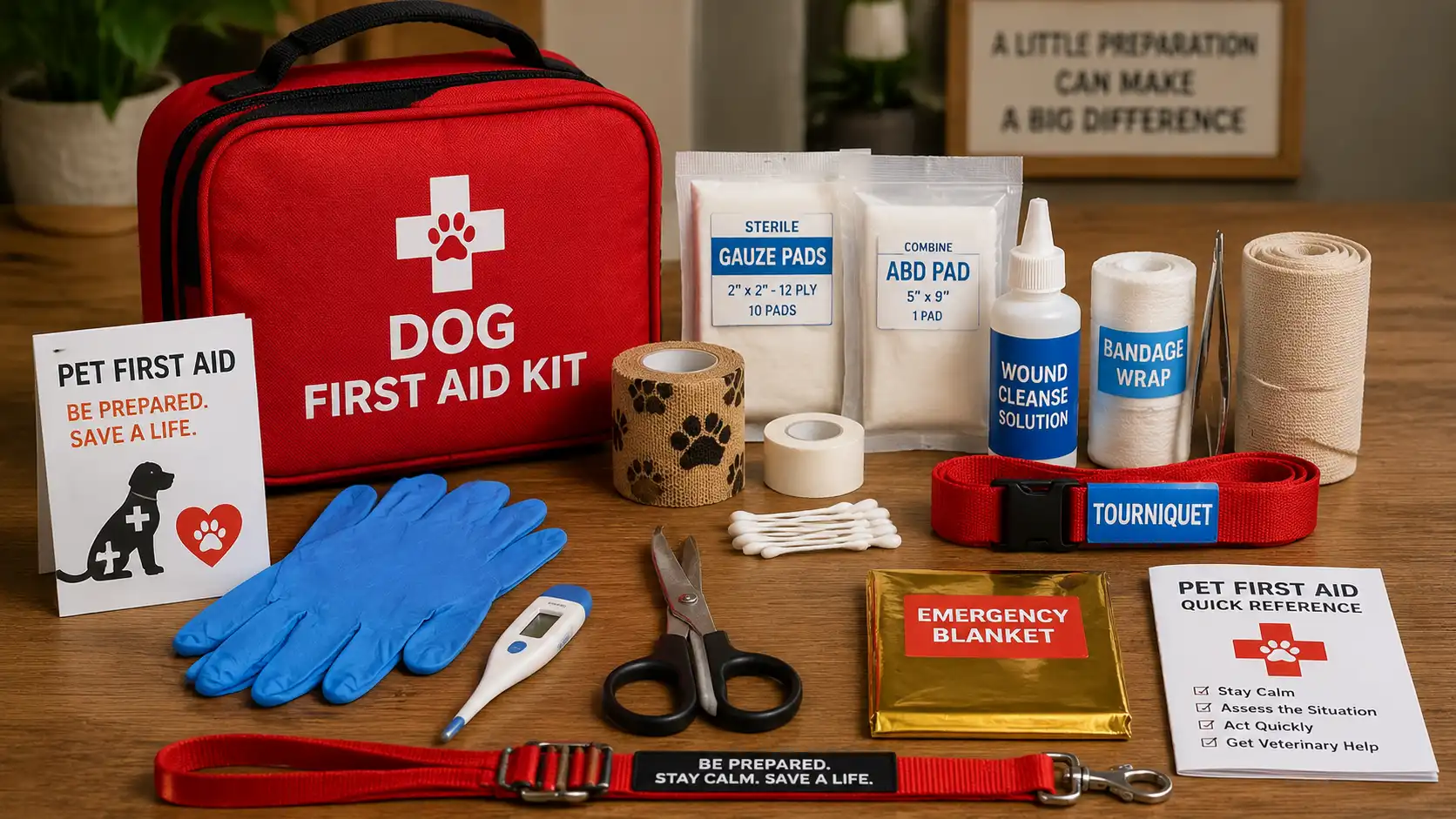
Every Continental Bulldog owner should assemble a well-stocked first aid kit. A comprehensive kit includes gauze pads, adhesive tape, antiseptic wipes, cotton balls, a digital thermometer, tweezers, and a soft muzzle. Additionally, having a dog-specific emergency blanket and non-latex gloves can help you manage serious situations safely. Including medications prescribed by your veterinarian, such as antihistamines or pain relievers, ensures you are ready for common emergencies.
Beyond the items themselves, it is crucial to have a reference guide on canine first aid. The American Red Cross provides a reliable resource on pet first aid that covers scenarios from choking to heatstroke. Familiarity with such guidelines can boost your confidence during critical moments.
Recognizing Common Emergencies
Understanding which situations require immediate action is key. In Continental Bulldogs, respiratory distress can occur more easily than in other breeds due to their facial structure. Signs include labored breathing, excessive panting, or bluish gums. Heatstroke is another common concern, especially during summer months in the US. Bulldogs can overheat rapidly because their short muzzles limit efficient cooling. Early symptoms include drooling, lethargy, and vomiting.
Other emergencies include accidental ingestion of harmful substances, lacerations, fractures, and allergic reactions. Each scenario demands specific first aid responses, making it important to learn how to assess the severity of the injury and whether immediate veterinary care is needed.
Step-by-Step First Aid Procedures
Handling Cuts and Lacerations
If your Continental Bulldog sustains a cut, the first step is to stop any bleeding. Apply gentle pressure with a clean gauze pad. Once bleeding slows, clean the wound with antiseptic wipes or saline solution to prevent infection. Avoid using human medications without veterinary approval. After cleaning, loosely bandage the area and monitor for signs of infection, such as swelling or discharge. Seek veterinary care if the cut is deep, won’t stop bleeding, or involves sensitive areas like the eyes or mouth.
Managing Sprains and Strains
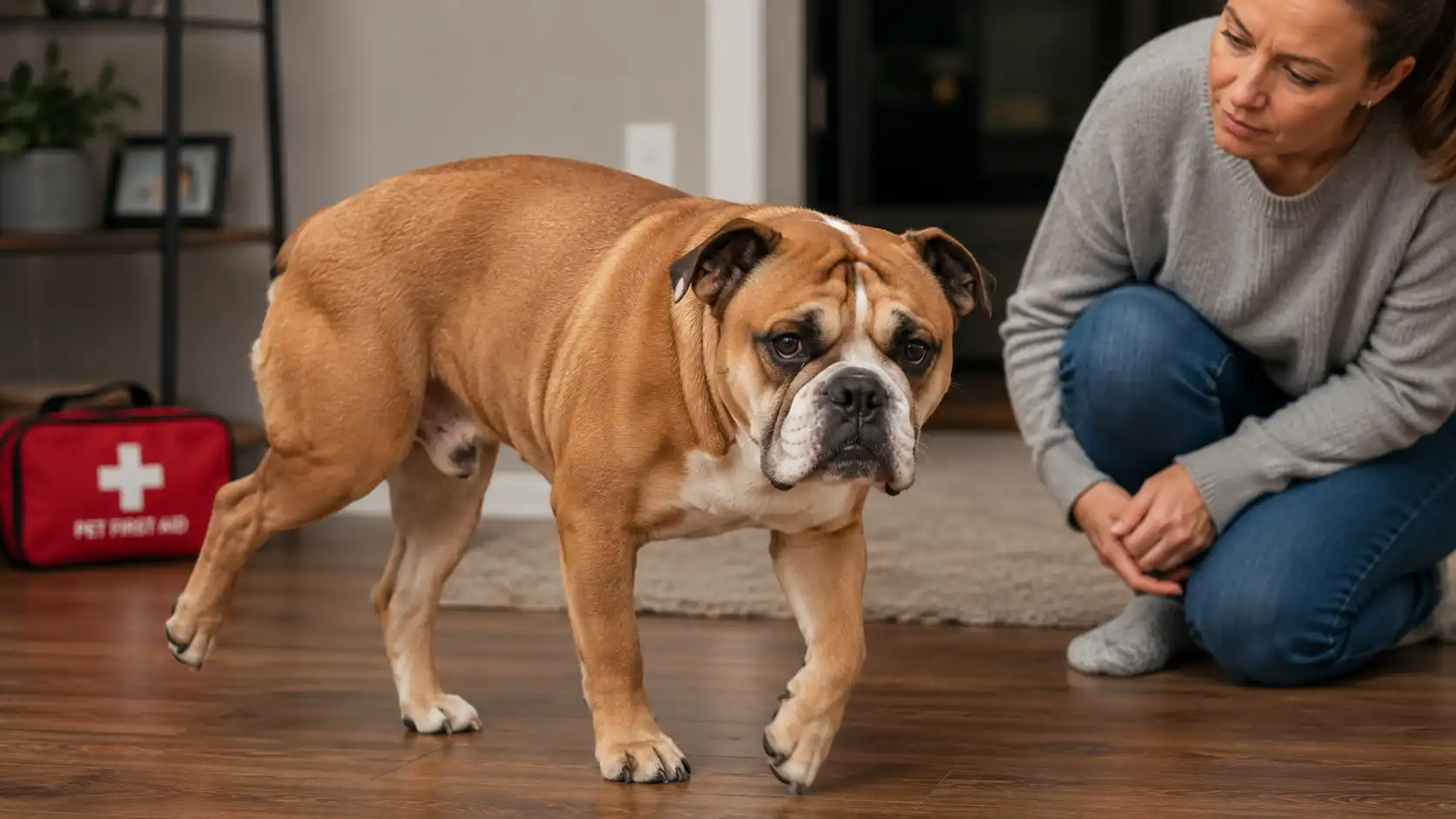
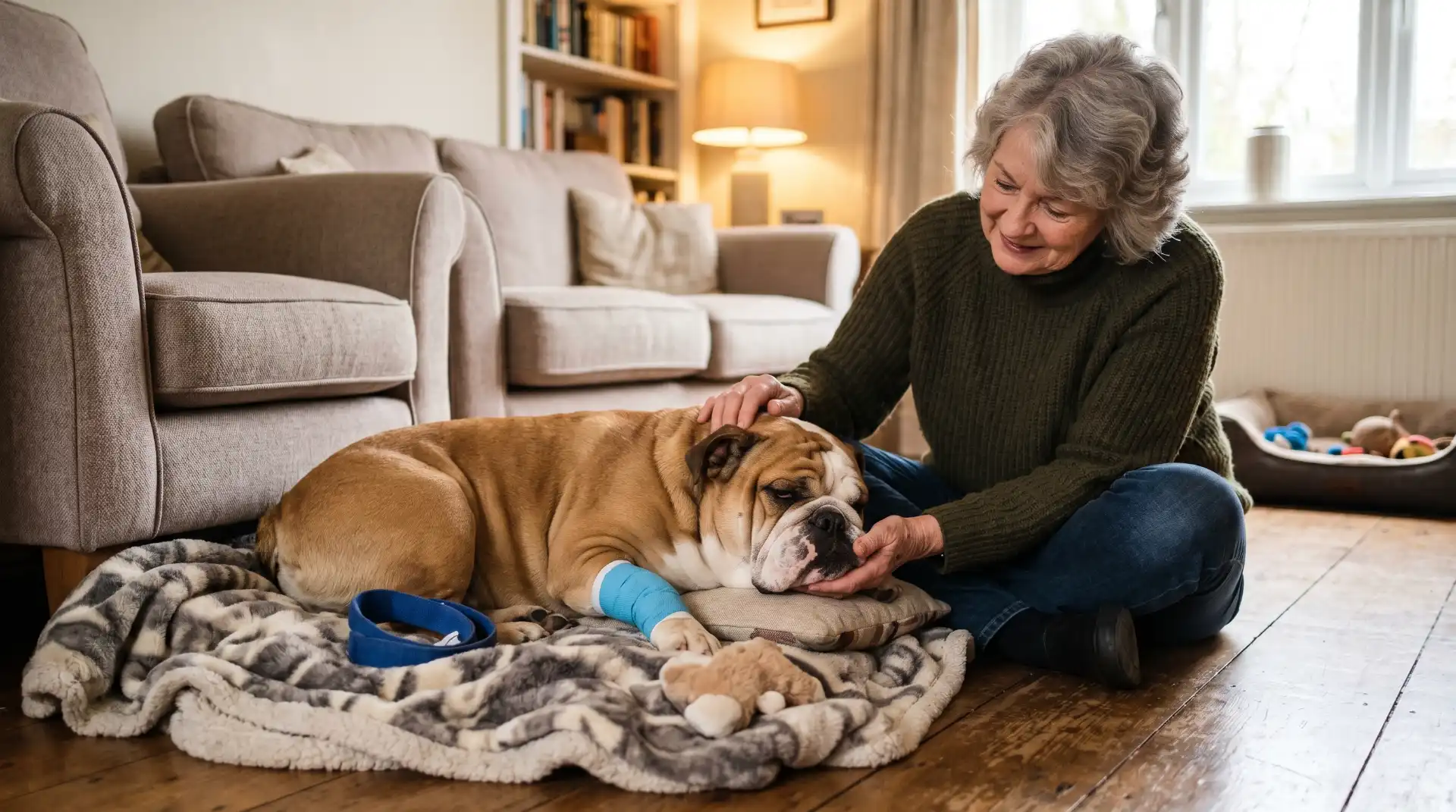
Sprains or strains are common after vigorous play or exercise. Rest the affected limb immediately and apply a cold compress to reduce swelling. If swelling persists beyond 24 hours or your dog shows significant discomfort, consult a veterinarian. Avoid massaging the area aggressively, as it may worsen the injury. In some cases, supportive wraps or braces may be recommended.
Dealing with Heatstroke
Continental Bulldogs are particularly susceptible to heatstroke in warm climates. When you notice excessive panting, drooling, or lethargy, move your dog to a cool, shaded area immediately. Offer small amounts of water but avoid forcing large quantities. Use cool (not icy) water to dampen the body and increase airflow with a fan. Heatstroke can be life-threatening, so rapid cooling followed by veterinary assessment is crucial.
Addressing Respiratory Distress
Bulldogs can suffer from brachycephalic airway syndrome, which makes breathing difficult. If your dog exhibits labored breathing, keep them calm and in a comfortable position. Remove any collars that may restrict airflow. If symptoms worsen or persist, seek veterinary help immediately. Avoid strenuous activity until cleared by a professional.
Managing Allergic Reactions
Allergic reactions can result from insect bites, foods, or environmental factors. Symptoms may include swelling, hives, vomiting, or difficulty breathing. Minor reactions can be managed with antihistamines prescribed by your vet, but severe reactions with respiratory distress are emergencies. Keep a record of potential allergens and always have an emergency veterinary contact ready.
Preventive Measures to Reduce Accidents
Prevention is just as important as treatment. Ensure your Continental Bulldog is properly vaccinated and receives regular check-ups. Maintain a safe environment by removing hazardous items, securing stairways, and monitoring outdoor play. Heat management is essential during summer, and leash-walking in shaded areas helps prevent overheating. Training your dog to respond to basic commands also reduces the likelihood of accidents.
Travel and Outdoor Safety
Many US dog owners travel with their pets, whether for road trips or outdoor adventures. When traveling, keep a first aid kit in the car, along with water, food, and a familiar blanket. Avoid leaving your Continental Bulldog in hot vehicles, even for a few minutes. Consider a portable dog cooling mat or harness to reduce the risk of injury during hikes or long walks. Preparing for emergencies while on the move ensures that help is readily available.
Emergency Contacts and Resources
Every dog owner should have a list of emergency contacts, including local veterinarians, 24-hour animal hospitals, and pet poison hotlines. In the US, the ASPCA provides a reliable Animal Poison Control resource for urgent ingestion incidents. Having a clear plan for emergencies reduces panic and ensures your Continental Bulldog receives timely care.
Conclusion
Being prepared for emergencies is a vital responsibility for any Continental Bulldog owner. From assembling a complete first aid kit to recognizing common emergencies like cuts, sprains, heatstroke, and allergic reactions, knowledge and preparation can make a life-saving difference. Combine first aid awareness with preventive care, safe travel practices, and access to professional veterinary support to ensure your dog stays healthy, happy, and safe.
Continental Bulldogs offer unmatched companionship, and taking proactive steps in first aid not only protects their health but also strengthens the bond you share. Keep learning, stay prepared, and always prioritize your dog’s well-being. Call your local US veterinarian immediately if your Continental Bulldog experiences any serious health incident.