
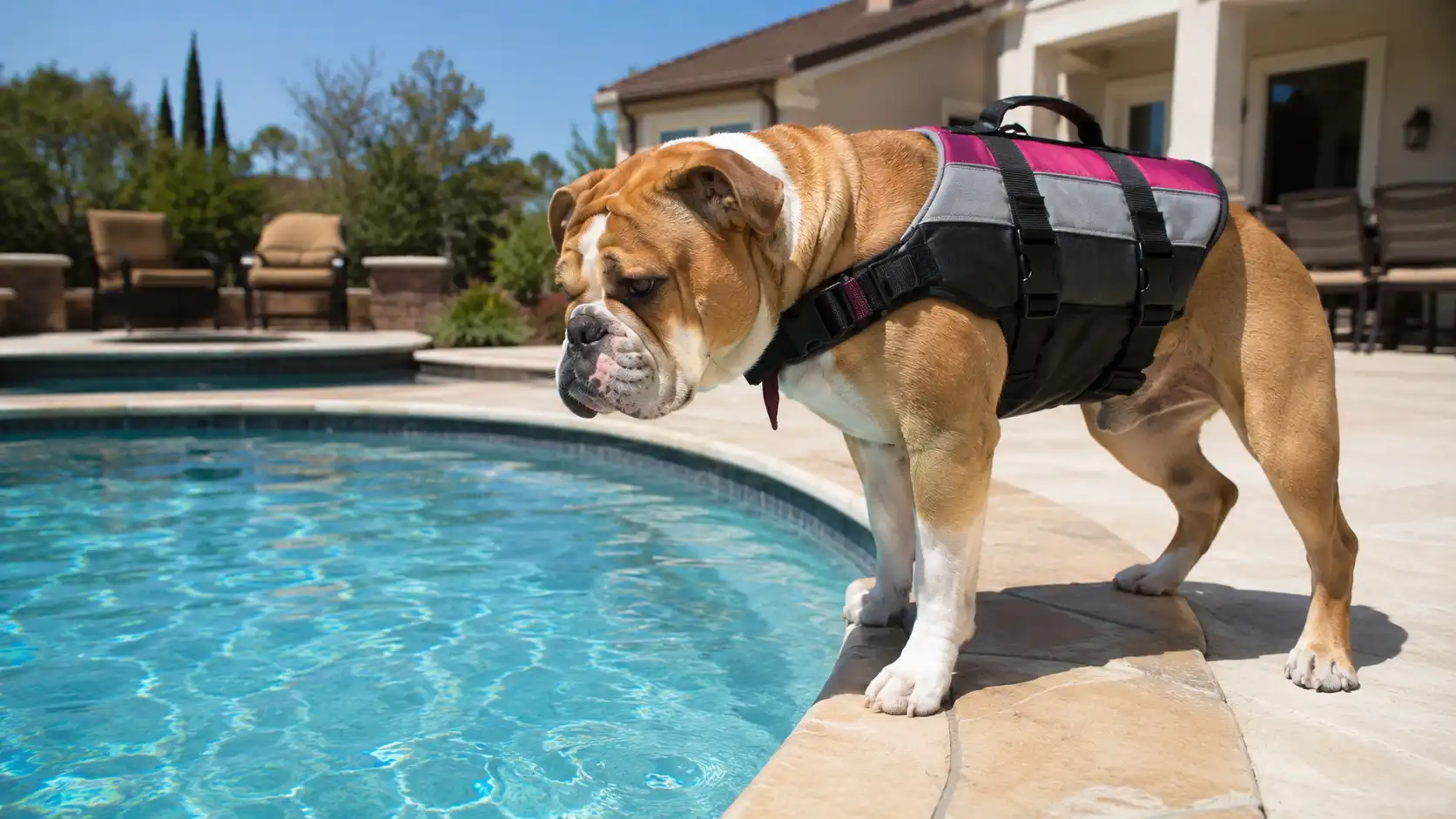
Many dog owners assume that all dogs can naturally swim, but that belief can be misleading—especially when it comes to breeds like the Continental Bulldog. If you’re a U.S.-based owner planning pool days, lake trips, or beach outings, understanding your dog’s abilities in water is essential for safety.
So, can Continental Bulldogs swim? The answer is yes—but not naturally, not easily, and not without supervision. Their physical structure, breathing characteristics, and body composition make swimming more challenging compared to leaner or water-bred dogs. That’s why water safety knowledge is critical for every Continental Bulldog owner.
This guide will help you understand your dog’s swimming ability, recognize risks, and confidently protect your pet in any water environment.
Do Continental Bulldogs Naturally Know How to Swim?
Unlike breeds such as Labradors or Retrievers, Continental Bulldogs are not built for water. While they can paddle instinctively for short periods, their muscular build and relatively short snout can make sustained swimming difficult.
Their body tends to be heavier in the front, which can cause them to tilt forward in water. This makes it harder to keep their head above the surface, especially when they become tired.
According to the American Kennel Club, not all dogs are natural swimmers, and some breeds require extra assistance and supervision around water .
For Continental Bulldogs, this means swimming is a learned activity—not a natural strength.
Why Swimming Can Be Challenging for This Breed
Several physical traits influence how well your dog handles water.
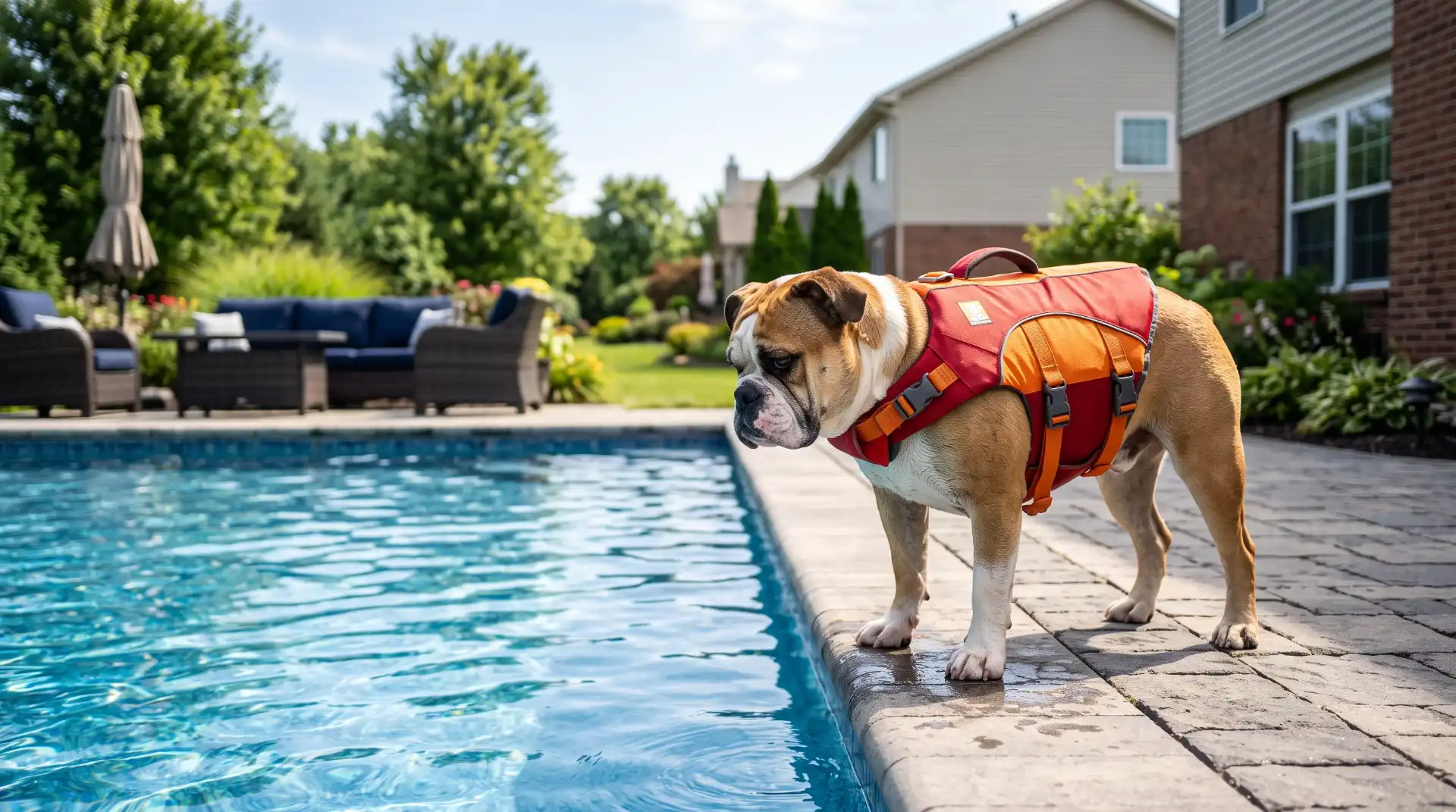
First, their muscular and compact body creates less buoyancy compared to leaner breeds. Second, their shorter snout can make breathing more difficult when water splashes near their face. Third, their legs are strong but not built for efficient paddling over long distances.
These factors combined mean that even a confident Continental Bulldog can become fatigued quickly in water.
That’s why owners should never assume their dog is safe simply because it entered the water willingly.
Can Continental Bulldogs Learn to Swim Safely?
Yes, with proper introduction and safety measures, many Continental Bulldogs can enjoy water activities. However, the goal should not be turning your dog into a strong swimmer. Instead, it should be about comfort, safety, and controlled exposure.
Start slowly in shallow water where your dog can stand. Allow them to explore at their own pace. Avoid forcing them into deeper water, as this can create fear and long-term anxiety.
Positive reinforcement is key. Calm encouragement and short sessions build confidence over time.
If your site includes a training guide, this is a great place to internally link that resource to support positive reinforcement techniques.
The Importance of a Dog Life Jacket
One of the most important safety tools for a Continental Bulldog is a properly fitted dog life jacket.
A life vest adds buoyancy and helps keep your dog’s head above water, reducing the risk of fatigue and panic. Many high-quality vests also include a handle on top, allowing owners to lift the dog out quickly if needed.
Even strong swimmers benefit from life jackets in open water, especially in lakes, rivers, or oceans where conditions are unpredictable.
Pool Safety for Continental Bulldogs
Backyard pools are common in many U.S. homes, but they present hidden dangers for dogs.
Dogs can accidentally fall into pools and struggle to find an exit. Even if they can swim briefly, they may panic or become exhausted before reaching safety.
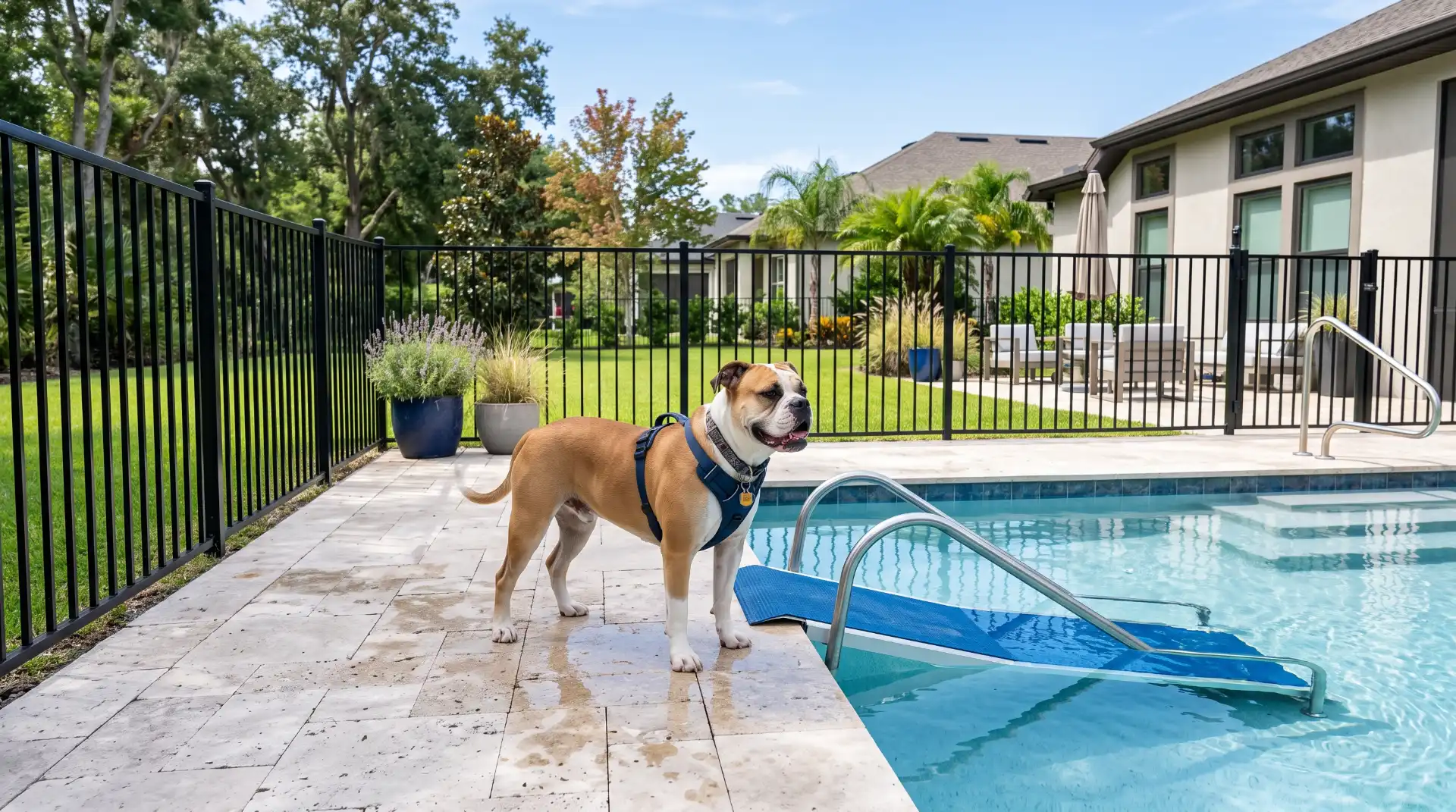
To prevent accidents, ensure your pool has a visible exit point such as steps or a dog-friendly ramp. Teaching your dog how to exit the pool is just as important as teaching them to enter safely.
Fencing around the pool adds another layer of protection, especially for households with puppies.
For additional preparation tips, you can connect this section to your home safety or puppy preparation guides.
Lake and River Safety Considerations
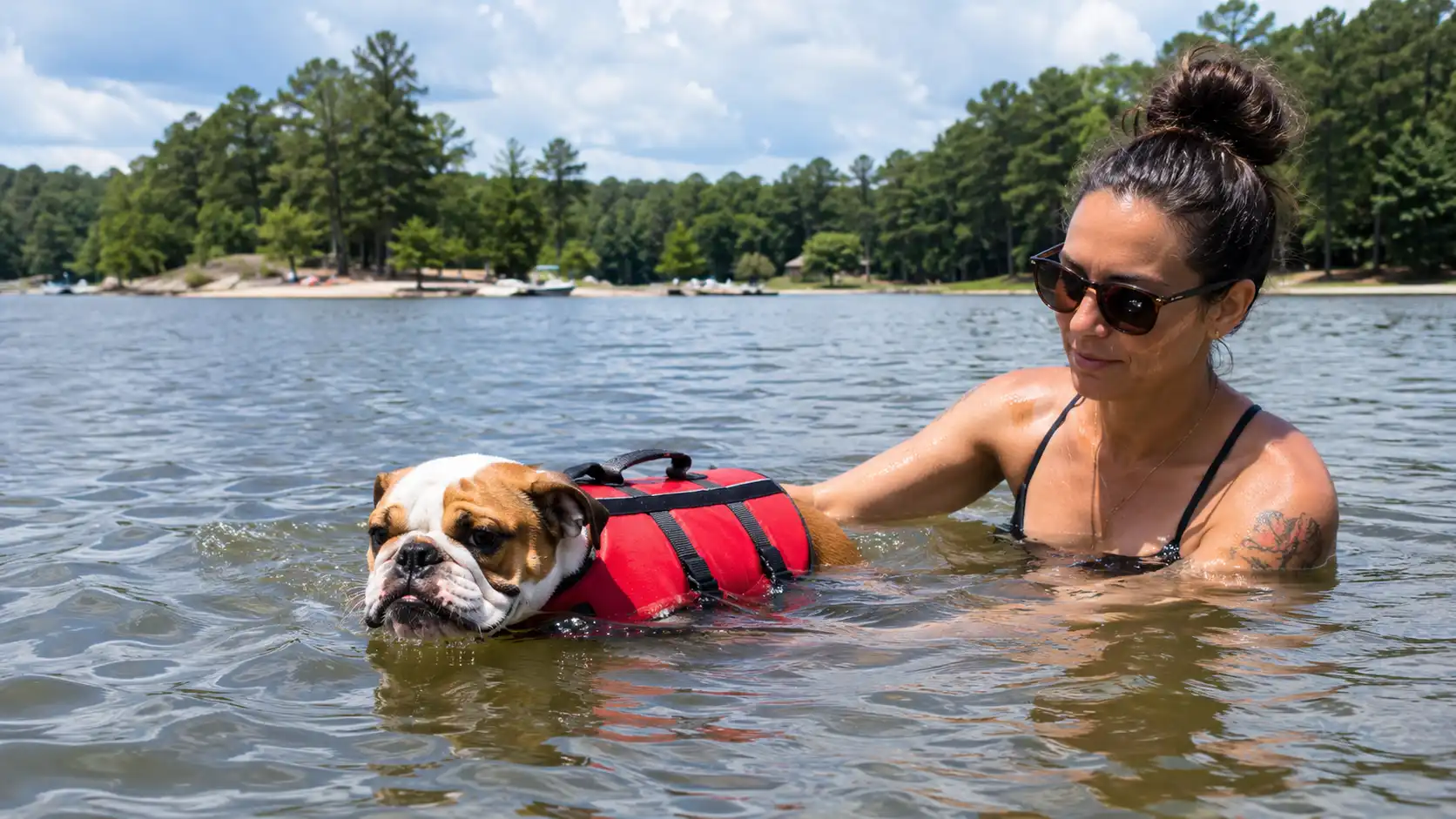
Lakes and rivers may seem calmer than the ocean, but they come with unique risks.
Water conditions can change quickly, and underwater hazards such as rocks, debris, or sudden drop-offs can pose danger. In some areas of the U.S., harmful algal blooms can develop in freshwater, which are toxic to dogs.
The Centers for Disease Control and Prevention warns that exposure to blue-green algae can cause serious illness in pets .
Always check local advisories before allowing your dog into natural water. Avoid stagnant or discolored water, and rinse your dog thoroughly after swimming.
Beach and Ocean Safety
For owners living near coastal areas, beach trips can be a fun experience—but ocean conditions require extra caution.
Waves, currents, and tides can overwhelm even experienced swimmers. Saltwater also presents a risk if ingested in large amounts, potentially leading to dehydration or salt poisoning.
Keep your Continental Bulldog close, avoid deep water, and limit swim sessions to short, supervised periods.
Using a life jacket is especially important in ocean environments.
Boating and Water Travel
If you enjoy boating or kayaking, your dog can join—but only with proper preparation.
A life jacket is mandatory. Even calm dogs can lose balance on moving watercraft. Ensure your dog has a secure place to sit and is not exposed to direct sun for extended periods.
Hydration is also critical. Always bring fresh water, as drinking lake or ocean water can be harmful.
If your site includes a travel guide, this section can naturally link to it for readers planning trips with their dogs.
Signs Your Dog Is Struggling in Water
Recognizing distress early can prevent serious accidents.
A struggling dog may paddle frantically, tilt forward, or have difficulty keeping its head above water. Breathing may become rapid, and movements may lose coordination.
If you notice any of these signs, assist your dog immediately.
Never wait to see if your dog “figures it out.” Quick action is essential.
Water-Related Health Risks
Beyond drowning, several health risks are associated with water exposure.
Ear infections can develop when moisture becomes trapped in the ear canal. Skin irritation may occur from prolonged exposure to pool chemicals or saltwater.
Water intoxication, although rare, can happen if a dog ingests excessive amounts of water while playing. This condition can disrupt electrolyte balance and become dangerous.
Maintaining awareness of these risks helps ensure your dog stays healthy after water activities.
Building Positive Water Experiences
Not every Continental Bulldog will enjoy swimming, and that’s perfectly okay.
Some dogs prefer staying near the water rather than in it. Activities like walking along the shoreline or playing near shallow areas can still provide enrichment without unnecessary risk.
Respect your dog’s comfort level. Confidence builds gradually, and forcing interaction can create fear.
Over time, your dog will show you what level of water activity they enjoy most.
Everyday Safety Habits for Owners
Developing consistent habits is the best way to protect your dog.
Supervision should always be your first priority. Never leave your dog unattended near water, even for a short time.
Keep sessions short to prevent fatigue. Always provide access to fresh drinking water and shade, especially during hot U.S. summers.
Rinsing your dog after swimming helps remove chlorine, salt, or bacteria that could cause irritation.
If your site includes grooming or health care guides, this is a strong opportunity for internal linking.
Frequently Asked Questions
Many owners ask whether Continental Bulldogs can become strong swimmers. While some improve with practice, most will never match the swimming ability of water breeds.
Another common question is whether life jackets are necessary. For this breed, the answer is yes in most situations, especially in deep or open water.
Owners also wonder how to introduce puppies to water. The best approach is gradual exposure, shallow environments, and positive reinforcement.
Conclusion
So, can Continental Bulldogs swim? Yes—but with limitations, preparation, and close supervision.
Their body structure makes swimming more challenging, but with the right safety measures, they can still enjoy water activities in a controlled and positive way.
For U.S. owners, where pools, lakes, and beaches are part of everyday life, understanding water safety is essential. A life jacket, proper training, and awareness of environmental risks can make all the difference.
Ultimately, your goal is not to turn your dog into a swimmer, but to keep them safe while allowing them to explore and enjoy their environment.
The more you understand your Continental Bulldog’s abilities and limitations, the more confident you’ll feel in every water-related situation—and that confidence leads to a safer, happier life for your dog.