
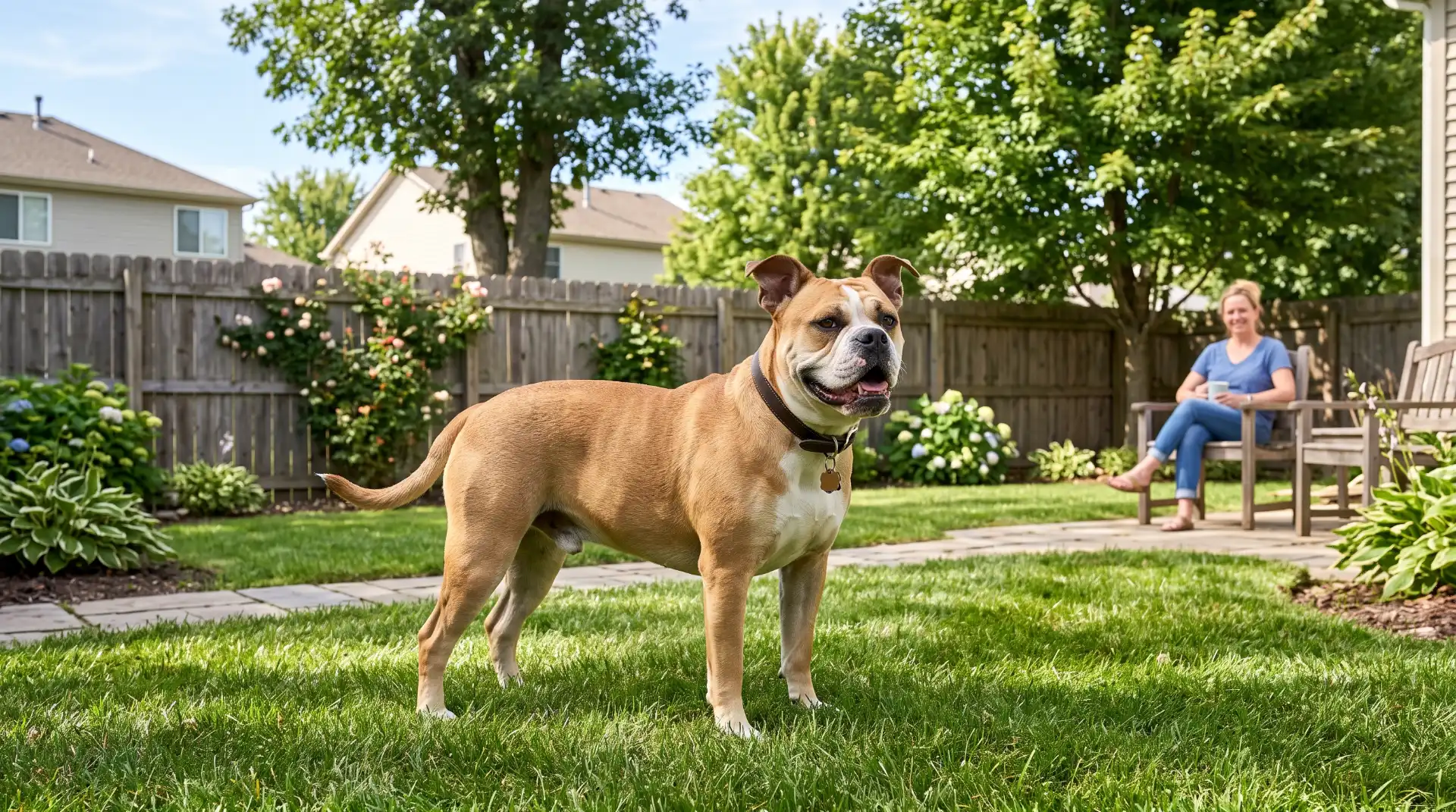
Understanding your Continental Bulldog’s body language is one of the most important skills you can develop as a dog owner. While these dogs are known for their affectionate and friendly personalities, they communicate almost entirely through nonverbal signals. Every movement—from the position of their ears to the tension in their muscles—tells you how they feel.
For many U.S. pet owners, misunderstandings happen not because dogs misbehave, but because humans misread these signals. A wagging tail might not always mean happiness. A quiet dog might not always feel calm. Learning to read your Continental Bulldog accurately helps prevent behavioral issues, reduces stress, and builds a deeper connection between you and your dog.
Why Body Language Matters More Than You Think
Dogs evolved to communicate silently through posture and movement. Long before barking became common in domestic settings, dogs relied on physical cues to interact with other animals and humans. Today, that instinct remains unchanged.
When your Continental Bulldog enters a new environment—whether it’s a dog park in California or a backyard barbecue in Texas—it immediately begins assessing the situation through body language. It reads other dogs, evaluates people, and adjusts its behavior accordingly.
As an owner, recognizing these signals allows you to step in early when your dog feels uncomfortable. This prevents escalation and keeps your dog safe and confident in everyday situations.
For additional insights into general canine communication, the American Kennel Club provides a helpful overview:

Understanding the Continental Bulldog Temperament
The Continental Bulldog is bred to be healthier and more athletic than traditional bulldog types, while still maintaining a calm and affectionate personality. Most Continental Bulldogs are social, people-oriented, and adaptable to family life.
Because of this temperament, their body language is often easier to read compared to more independent or reactive breeds. However, that does not mean they never experience stress or anxiety. Like any dog, they rely on subtle signals to communicate discomfort, excitement, or uncertainty.
If your site already includes topics like training, feeding, or socialization, this is a great place to internally link those guides. For example, discussions about behavior can naturally connect to your training or puppy care articles.
Reading the Eyes and Facial Expression
A Continental Bulldog’s face provides some of the clearest emotional signals. When relaxed, the eyes appear soft and natural. The dog may blink slowly and maintain gentle eye contact with familiar people.
Excitement brightens the eyes and creates a more animated expression. You might notice a slightly open mouth and relaxed panting.
Stress, however, changes the face dramatically. The lips tighten, blinking becomes rapid, and the whites of the eyes may become visible. This “whale eye” is one of the most important early warning signs of discomfort.
Many owners miss this cue because it appears briefly, but recognizing it can help prevent situations from escalating into fear or defensive behavior.
Ear Position and What It Tells You
Even though Continental Bulldogs have smaller ears than some breeds, ear movement still plays a major role in communication.
Relaxed ears sit naturally against the head. When your dog hears something interesting, the ears shift slightly forward. This often happens during walks or when watching activity in the neighborhood.
Flattened ears, especially when combined with lowered posture, indicate fear or uncertainty. This is commonly seen during loud events like fireworks or unfamiliar environments such as veterinary visits.
Because ear position changes quickly, it should always be interpreted alongside other signals like posture and facial tension.

Tail Movement Is Often Misunderstood
One of the biggest misconceptions among dog owners is that a wagging tail always means happiness. In reality, tail movement reflects emotional intensity, not just positive emotion.
A relaxed, loose wag typically signals friendliness. When your Continental Bulldog greets you after a long day, you’ll often see a full-body wag that includes the hips.
A stiff, fast wag can indicate excitement but may also suggest heightened alertness. In some situations, it can signal that your dog is unsure or overstimulated.
A tucked tail almost always indicates fear or insecurity. If your dog displays this during a walk or interaction, it’s important to create distance from whatever is causing stress.
Body Posture: The Full Picture
The most accurate way to understand your Continental Bulldog is by observing the entire body rather than focusing on one signal.
A relaxed dog stands evenly with loose muscles and smooth movement. Curiosity creates a slight forward lean, while confidence appears as upright posture without stiffness.
Fear shifts weight backward. The dog may crouch slightly or hesitate before moving forward. In extreme cases, the dog may attempt to retreat or avoid interaction altogether.
Playfulness is easy to recognize through exaggerated movements, bouncing, and the classic play bow. In this position, the front legs stretch forward while the rear remains raised, signaling friendly intent.
Stress Signals You Should Never Ignore
Dogs rarely jump straight to aggressive behavior. Instead, they show a series of subtle warning signs known as calming signals.
These include yawning when not tired, licking lips without food, turning the head away, pacing, and sudden scratching. Many Continental Bulldogs also shake their bodies as if drying off when they feel tension.
These behaviors are your dog’s way of saying it needs space or feels uncomfortable.
For example, if your dog begins licking its lips repeatedly during a crowded social event, it may be overwhelmed. Giving it a quiet place to relax can prevent further stress.
Dog-to-Dog Communication
When interacting with other dogs, Continental Bulldogs rely heavily on posture and movement.
A confident but friendly dog approaches with a relaxed body and curved path rather than walking directly head-on. Direct approaches can sometimes feel threatening in canine communication.
If another dog stiffens, avoids eye contact, or shows tension, your dog may respond by slowing down or changing direction.
This silent communication happens quickly, often within seconds. Owners who understand these interactions can better manage social situations at parks or during walks.
Body Language Around Children
In many American households, dogs and children grow up together. While Continental Bulldogs are typically gentle, it’s important to monitor body language during these interactions.
Children may not recognize signs of stress such as turning away, lip licking, or freezing. A dog that becomes still and quiet is not always relaxed—it may be unsure.
Teaching children to respect space and recognize basic signals can prevent misunderstandings and ensure safe, positive interactions.

Veterinary Visits and Anxiety
Many dogs display stress during veterinary visits. The unfamiliar environment, smells, and handling can create anxiety.
Common signs include tucked tails, flattened ears, panting, and avoidance behavior.
Understanding these signals allows owners to comfort their dog and communicate concerns to the veterinarian. Many clinics in the U.S. now follow low-stress handling techniques to improve the experience.
Common Owner Mistakes
One of the most common mistakes is ignoring subtle signals until behavior escalates. Owners often wait until barking or growling occurs before responding.
Another mistake is assuming all wagging tails indicate happiness. This can lead to unsafe interactions with unfamiliar dogs.
Finally, many owners unintentionally reinforce stress by forcing interactions when the dog is clearly uncomfortable.
Improving Communication With Your Dog
The best way to improve communication is through daily observation. Spend time watching your Continental Bulldog in different situations—during walks, at home, and around new environments.
Pay attention to patterns. Notice how your dog reacts to excitement, stress, and relaxation. Over time, you’ll begin to recognize signals instantly.
Positive reinforcement training also strengthens communication. Reward calm behavior and allow your dog to make choices when possible.
If you already have training-related content on your site, this is a strong opportunity to internally link those articles to reinforce the topic.
Frequently Asked Questions
Many owners wonder how long it takes to understand dog body language. The answer varies, but most people improve significantly within a few weeks of consistent observation.
Another common question is whether body language differs between breeds. While the fundamentals are the same, each breed—and each individual dog—has unique tendencies.
Owners also ask if stress signals always mean something is wrong. Not necessarily. Occasional stress is normal, but repeated signals indicate a need for adjustment.
Conclusion
Understanding Continental Bulldog body language is not just about preventing problems—it’s about building a deeper connection with your dog. When you learn to read their signals, you begin to understand their world.
You recognize when they feel happy, when they need space, and when they are unsure. This awareness creates trust and strengthens your relationship in a way that training alone cannot achieve.
For U.S. owners raising Continental Bulldogs in busy households, neighborhoods, and social environments, this knowledge becomes even more valuable. It allows you to confidently guide your dog through everyday situations while keeping them safe and comfortable.
The more you observe, the more fluent you become in your dog’s silent language—and that is one of the most rewarding parts of being a responsible dog owner.