
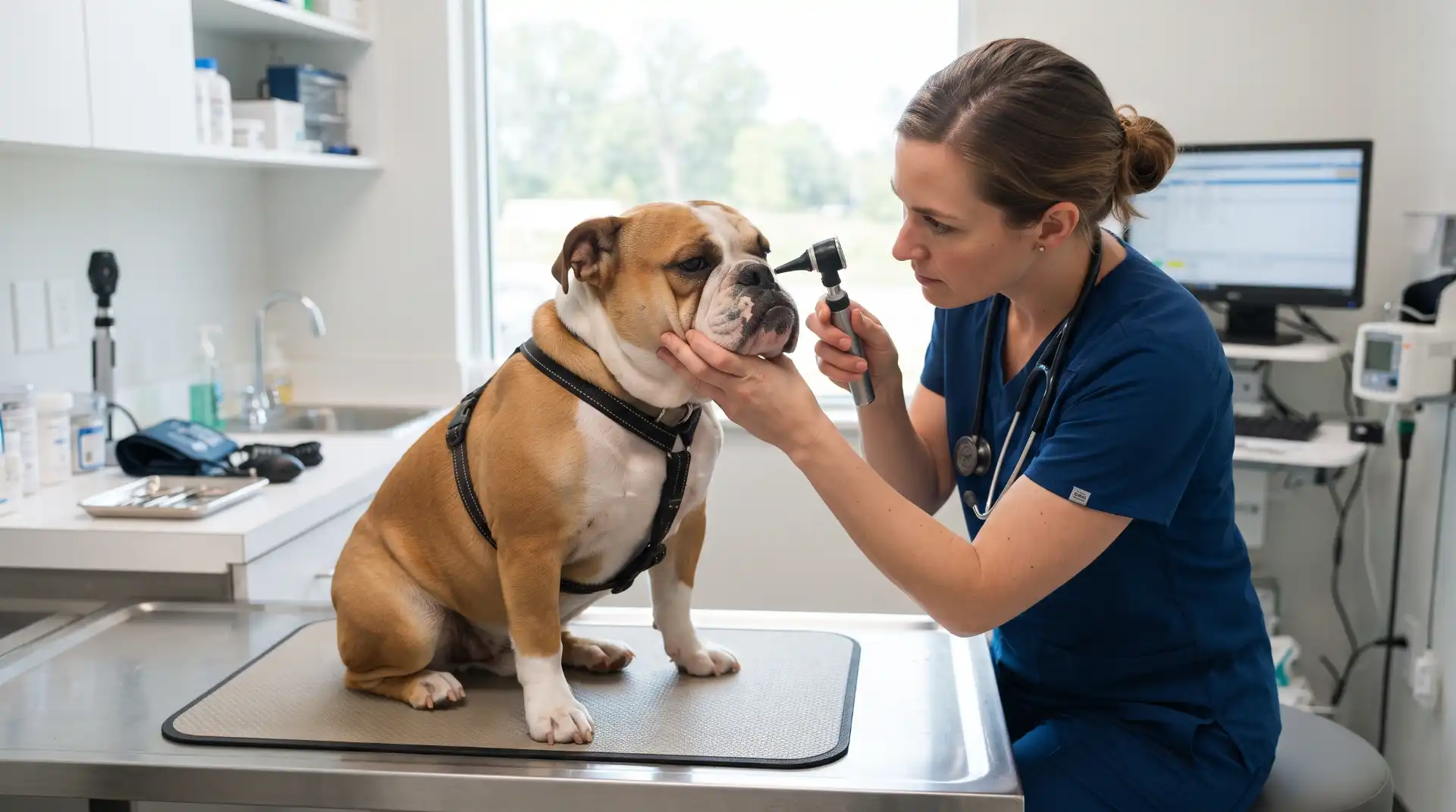
Bulldogs are known for their distinctive appearance—broad heads, expressive eyes, and shorter snouts. While these features give the breed its charm, they can also contribute to a condition known as brachycephalic syndrome. Many owners assume that snoring, heavy panting, or noisy breathing are simply part of owning a bulldog, but in reality, these signs often point to an underlying airway issue that deserves attention.
Continental Bulldogs were developed to be a healthier alternative to traditional bulldog breeds, with improved structure and breathing ability. Even so, they can still experience airway restrictions depending on their anatomy and overall health. Understanding this condition is essential for any owner in the United States, especially in regions where heat and humidity can make breathing problems worse.
What Brachycephalic Syndrome Really Means
Brachycephalic syndrome, often referred to as BOAS, is not a single disease but a group of structural abnormalities that affect how air flows through a dog’s airway. Dogs with shorter skulls have less room for internal structures, which can create resistance when breathing.
Instead of air moving freely through the nose and throat, it encounters multiple narrow points. Over time, this causes the dog to work harder just to breathe normally. That constant effort can lead to fatigue, overheating, and, in severe cases, dangerous respiratory distress.
According to the American College of Veterinary Surgeons, this condition commonly involves narrowed nostrils and excess soft tissue in the throat that blocks airflow.
Why Bulldogs Are Affected
The physical traits that make bulldogs so recognizable are the same traits that contribute to breathing issues. A shorter muzzle means less space for airflow, while thicker tissues in the throat can further restrict breathing.
Continental Bulldogs typically have a more moderate structure compared to English Bulldogs, which can reduce the severity of these problems. However, no brachycephalic breed is completely immune. Factors such as genetics, weight, and lifestyle all play a role in determining how severely a dog is affected.
Responsible breeding has improved the health of many bulldogs, but owners still need to be aware of potential risks. Even a well-bred dog can develop symptoms if exposed to high heat, poor conditioning, or excessive weight gain.
Recognizing the Early Warning Signs
One of the biggest challenges with brachycephalic syndrome is that many symptoms are mistaken for normal behavior. A bulldog that snores loudly or pants heavily may seem typical, but these signs can indicate that the airway is under stress.
You might notice your dog struggling to keep up during walks or taking longer to recover after mild activity. Some dogs make wheezing or snorting sounds even when resting. In more serious situations, the gums may appear pale or bluish, especially after exertion, which is a sign that the body is not getting enough oxygen.
If these symptoms appear frequently, they should not be ignored. Early evaluation can prevent the condition from progressing into something more severe.
How Heat and Climate Make It Worse
For bulldog owners in the United States, climate plays a major role in managing this condition. States with high temperatures or humidity create an environment where dogs are more likely to struggle.
Dogs rely on panting to cool down, but when airflow is restricted, this process becomes inefficient. The dog begins to overheat, which leads to even heavier panting. This cycle can quickly escalate into heat exhaustion or heatstroke.
This is why it’s important to adjust daily routines based on weather conditions. If you’ve read our guide on Signs of Overheating in Bulldogs and Emergency Response, you’ll already know that timing walks during cooler hours is one of the simplest but most effective precautions.
The Role of Weight and Overall Health
Body weight has a significant impact on breathing efficiency. Even a small amount of excess weight can increase pressure on the chest and airway, making it harder for a bulldog to breathe comfortably.
Maintaining a healthy weight is one of the most effective ways to reduce symptoms. Feeding high-quality food and avoiding overfeeding can make a noticeable difference. Our article on Best Dog Food for Continental Bulldogs in the U.S. goes into more detail about choosing the right diet.
Exercise also plays a role, but it must be managed carefully. Short, controlled activity is beneficial, while intense exertion can trigger breathing problems.
How Veterinarians Diagnose the Condition
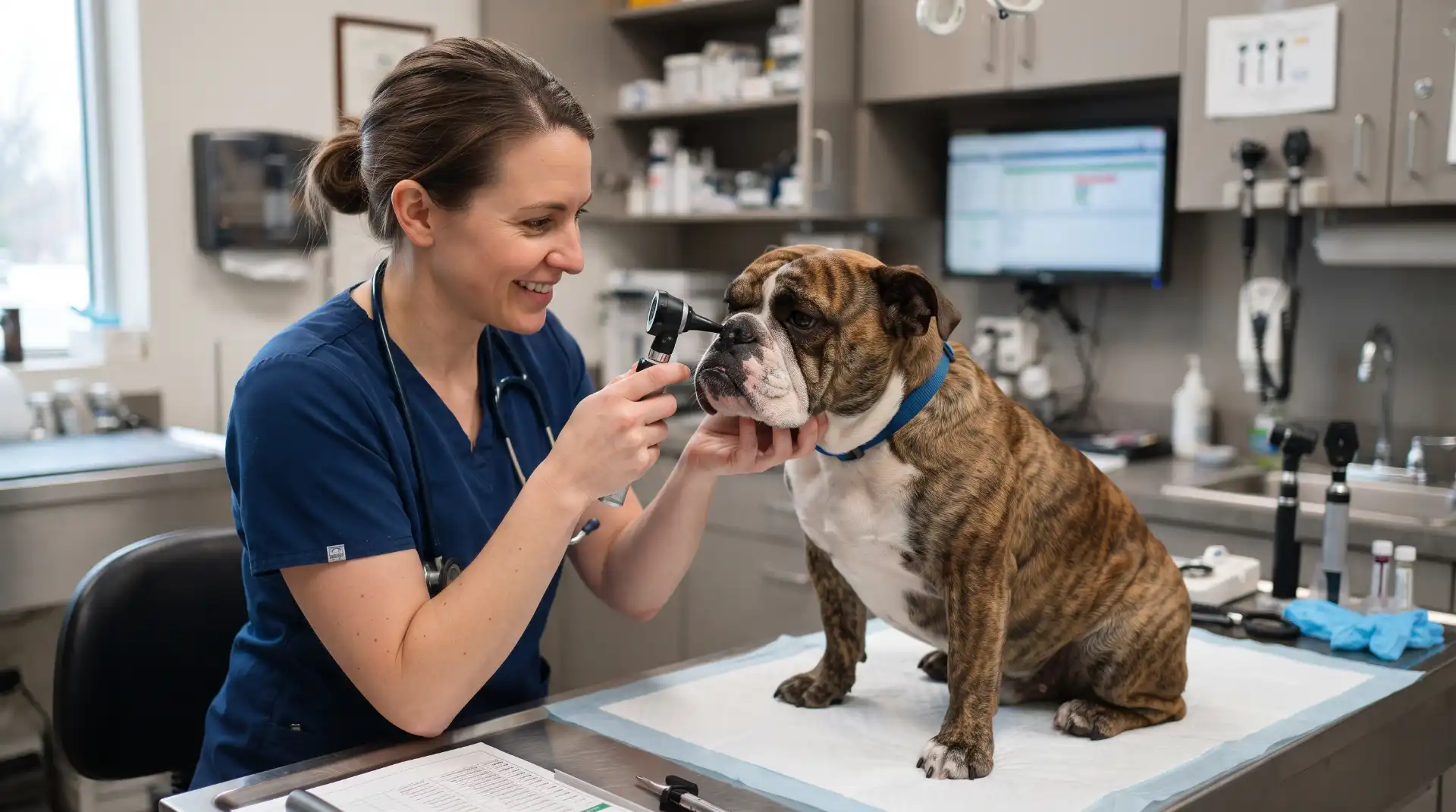
When you visit a veterinarian, the evaluation usually begins with a discussion about your dog’s behavior. They will ask about exercise tolerance, breathing sounds, and any episodes of distress.
The physical exam focuses on observing how your dog breathes at rest and after mild activity. In some cases, a more detailed examination is needed, which may involve sedation to safely evaluate the airway.
The goal is to determine how much of the airway is restricted and whether the condition is mild, moderate, or severe. This helps guide the next steps in treatment.
Treatment Options and What to Expect
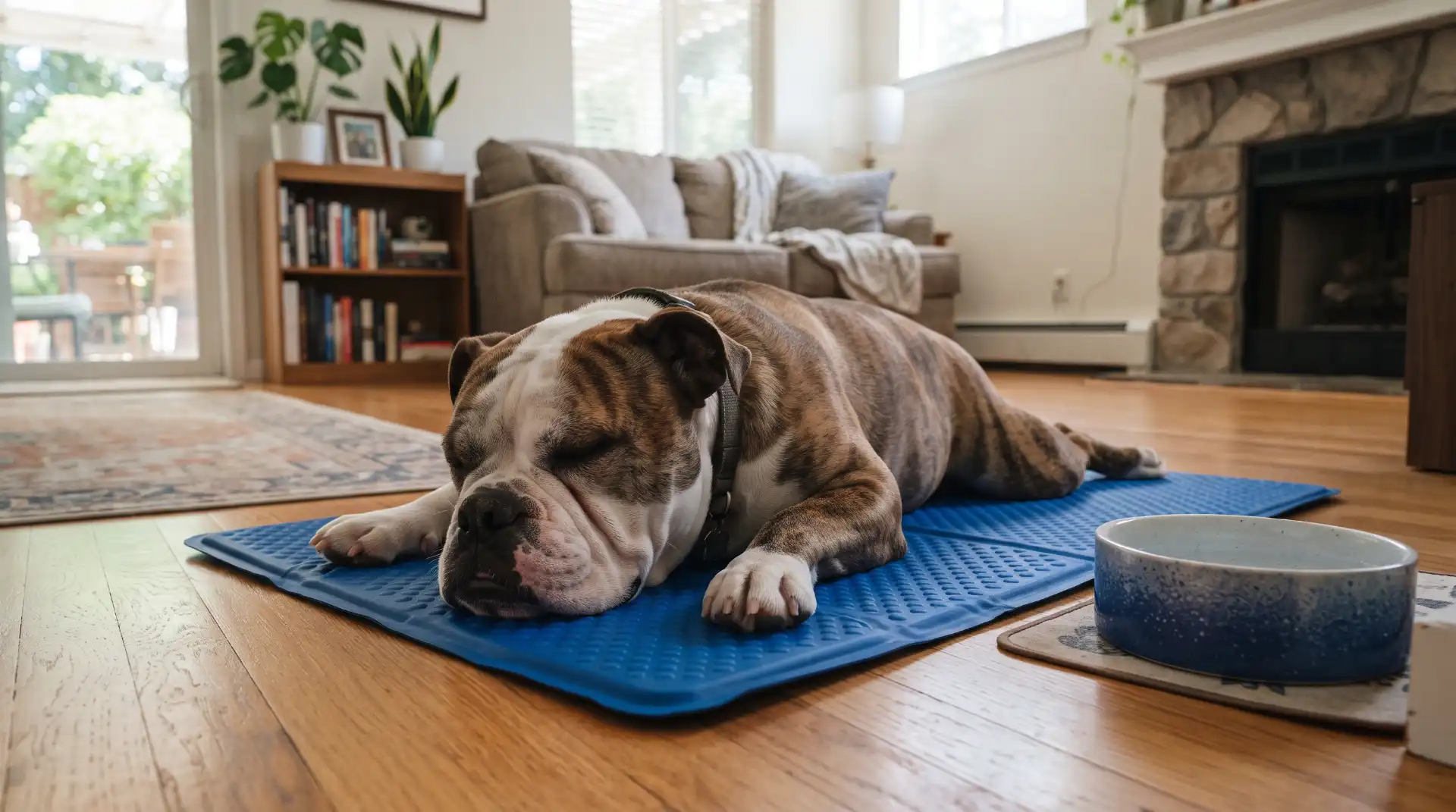
Treatment depends on how advanced the condition is. For many dogs, simple lifestyle changes can significantly improve breathing. Keeping the dog cool, maintaining a healthy weight, and avoiding excessive exertion can reduce strain on the airway.
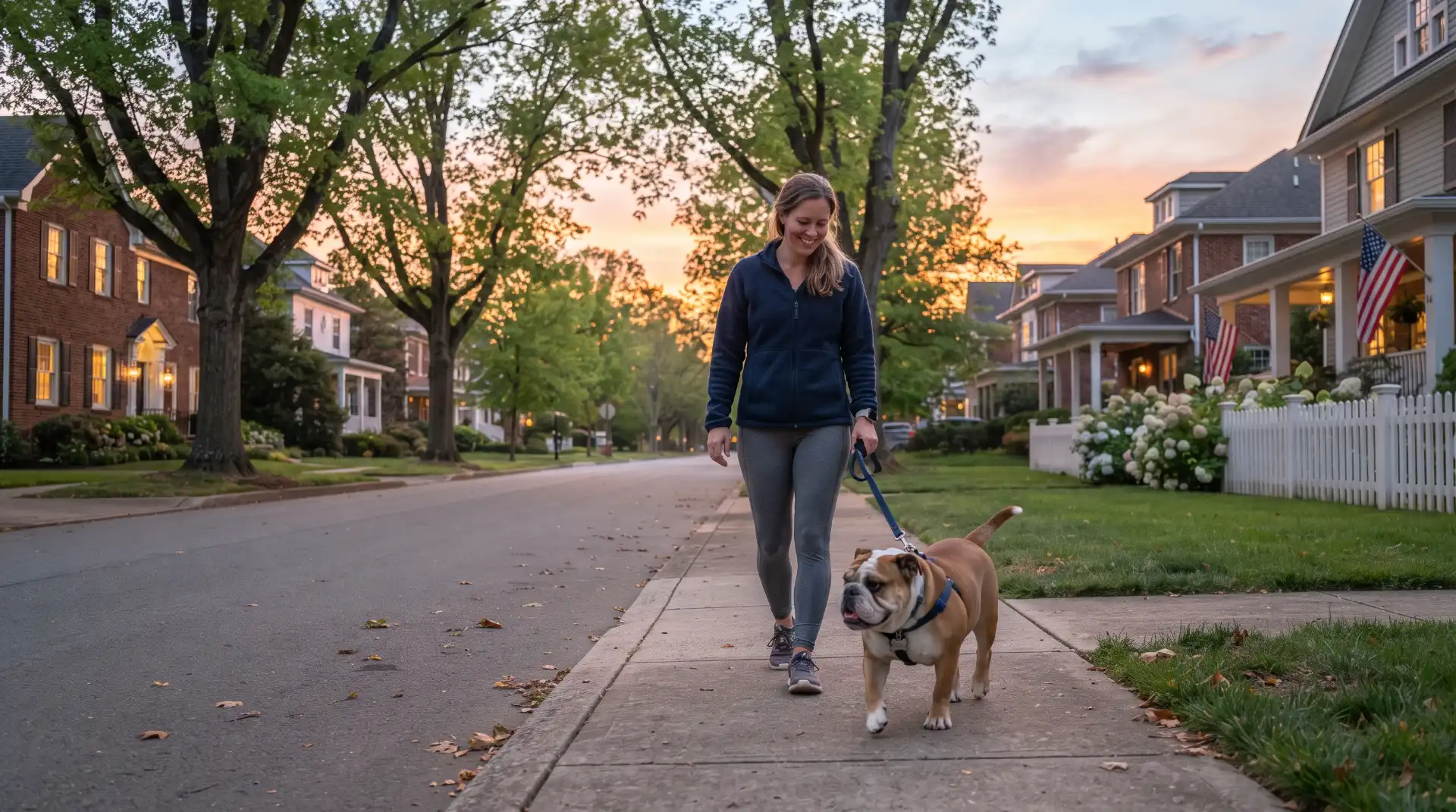
Using a harness instead of a collar is another small change that can make a big difference. Collars place pressure directly on the throat, while harnesses distribute force across the chest.
In more severe cases, surgery may be recommended to correct structural issues. Procedures can widen the nostrils or shorten excess tissue in the throat, allowing air to move more freely. Many dogs show noticeable improvement after recovery, especially if the procedure is done early.
Daily Prevention Strategies That Matter
Preventing complications from brachycephalic syndrome is largely about consistency. A stable routine that minimizes stress on the airway can greatly improve your dog’s quality of life.
This includes keeping your home environment cool, providing constant access to fresh water, and avoiding situations that cause excitement during hot weather. Even small details, like ensuring proper ventilation indoors, can have a meaningful impact.
If you’re building a routine, our guide on Daily Routine for a Healthy Bulldog offers practical tips you can follow.
Traveling and Outdoor Activities
Many bulldog owners enjoy taking their dogs on trips, but extra precautions are necessary. Cars can heat up quickly, even with windows slightly open, and should never be used as a temporary holding space.
When traveling, it’s important to plan ahead. Choose routes with shaded rest stops, carry water at all times, and avoid peak heat hours. For longer trips, knowing the location of nearby veterinary clinics can provide peace of mind.
Outdoor activities should also be adjusted. Early morning walks are typically safer than afternoon outings, especially in warmer states like California, Texas, or Florida.
Choosing the Right Bulldog
If you are considering adding a Continental Bulldog to your home, understanding brachycephalic syndrome should be part of your decision-making process.
Look for breeders who prioritize health and balanced structure rather than exaggerated features. Observing the parents can provide insight into what to expect. Dogs that breathe comfortably and move easily are more likely to pass on healthier traits.
Asking questions about breathing history is just as important as asking about temperament or vaccinations.
Final Thoughts
Brachycephalic syndrome is one of the most important health considerations for bulldog owners, but it is also one of the most manageable when addressed early. While the condition is linked to the breed’s physical characteristics, its impact can be minimized through proper care, awareness, and responsible ownership.
Continental Bulldogs, in particular, offer a more balanced version of the traditional bulldog, but they still benefit from attentive care. By recognizing the signs, adapting to your environment, and working closely with a veterinarian, you can help your dog live a comfortable and active life.
If your bulldog shows signs of breathing difficulty, don’t assume it’s normal. Early action can make all the difference.