

Understanding the expected size, weight, and development of a Continental Bulldog is one of the most important responsibilities for current and future owners. Because this breed is still relatively uncommon compared with more established bulldog breeds, many people have questions about how large Continental Bulldogs become, how quickly puppies grow, and what healthy development should look like.
The Continental Bulldog was developed with the goal of creating a healthier, more athletic bulldog type while maintaining the loyal and affectionate personality many families love. Compared with traditional bulldog breeds, Continental Bulldogs generally have a more functional body structure, longer legs, and improved physical abilities.
Knowing the typical growth stages can help owners provide proper nutrition, exercise, veterinary care, and training throughout every stage of their dog’s life.
This guide explains Continental Bulldog size expectations, weight ranges, puppy development stages, factors affecting growth, and ways owners can support healthy development.
How Big Do Continental Bulldogs Get?
Continental Bulldogs are considered medium-sized dogs with a strong and muscular appearance. They are not as small as French Bulldogs, but they are generally lighter and more athletic than many traditional English Bulldogs.
An adult Continental Bulldog typically reaches:
- Height: Approximately 16 to 22 inches at the shoulder
- Weight: Approximately 45 to 66 pounds depending on sex, genetics, and overall condition
Male Continental Bulldogs are usually larger and heavier than females. However, individual dogs can vary significantly depending on their bloodline, diet, exercise routine, and overall health.
A healthy Continental Bulldog should have a solid, muscular appearance without excessive body fat. Their body should look powerful but balanced, with visible athletic ability rather than a heavy or unhealthy build.
The Continental Bulldog Club and breed organizations emphasize responsible breeding practices focused on maintaining functional structure and overall health rather than producing exaggerated physical features.
For additional information about responsible dog ownership and breed care, owners can also review resources from the American Kennel Club:

Continental Bulldog Growth Stages
Like most dogs, Continental Bulldogs experience several important growth periods from puppyhood through adulthood. Understanding these stages allows owners to adjust food portions, exercise routines, and training methods based on their dog’s changing needs.
Birth to 8 Weeks: Early Development
During the first weeks of life, Continental Bulldog puppies depend completely on their mother for nutrition, warmth, and social development.
At this stage, puppies experience rapid physical growth. Their bones, muscles, immune system, and coordination begin developing quickly.
Responsible breeders focus on:
- Proper early nutrition
- Veterinary examinations
- Safe socialization
- Monitoring puppy development
Puppies should remain with their mother and littermates during this period because early interactions help develop important social behaviors.
8 to 16 Weeks: Puppy Growth Period
This stage is often when many families bring their Continental Bulldog puppy home.
During these months, puppies experience significant growth and begin developing their personality. Owners should focus on:
- Puppy training
- Socialization
- Vaccination schedules
- Healthy feeding habits
- Safe exercise
Continental Bulldog puppies are energetic but still developing physically. Excessive jumping, intense running, or high-impact activities should be avoided because their bones and joints are still maturing.
A puppy may appear small during this stage but can gain several pounds quickly as it approaches adolescence.
4 to 6 Months: Rapid Growth Stage
Between four and six months, Continental Bulldogs usually experience one of their fastest growth periods.
Owners may notice:
- Increased appetite
- Longer legs and body development
- Greater energy levels
- Increased curiosity and independence
Proper nutrition is especially important during this stage. Puppies need balanced food designed for growth rather than simply increasing calories.
Overfeeding can create unnecessary stress on developing joints and contribute to weight problems later in life.
6 to 12 Months: Adolescent Development
During adolescence, Continental Bulldogs continue gaining muscle and body structure.
Although many dogs appear close to adult size by their first birthday, they are still developing mentally and physically.
Training remains important because this breed can be confident and strong-willed. Consistent positive reinforcement helps build good behavior while strengthening the bond between owner and dog.
Exercise should include:
- Daily walks
- Controlled play
- Training activities
- Mental stimulation
Owners should avoid allowing young dogs to become overweight during this period because maintaining a healthy body condition supports long-term mobility.
12 to 24 Months: Adult Maturity
Most Continental Bulldogs reach their full height around 12 to 18 months, although they may continue developing muscle and filling out until approximately two years old.
A mature Continental Bulldog typically has:
- A broad chest
- Strong shoulders
- Athletic legs
- Balanced body proportions
- Moderate muscle definition
At this stage, owners should transition from puppy food to an appropriate adult diet based on their veterinarian’s recommendations.
Continental Bulldog Growth Chart
Growth can vary between individual dogs, but the following chart provides a general guideline.
| Age | Average Weight Range |
|---|---|
| 8 weeks | 10–15 pounds |
| 3 months | 15–25 pounds |
| 6 months | 30–45 pounds |
| 9 months | 40–55 pounds |
| 12 months | 45–60 pounds |
| Adult | 45–66 pounds |
These numbers are estimates. A veterinarian can provide the most accurate assessment based on your dog’s body condition, health history, and development.
Male vs Female Continental Bulldog Size Differences
Male and female Continental Bulldogs share many personality traits, but there are usually differences in physical size.
Male Continental Bulldogs are often:
- Taller
- Heavier
- More muscular
- Broader through the chest and shoulders
Female Continental Bulldogs are commonly:
- Slightly smaller
- Lighter in weight
- More compact in appearance
However, temperament and health depend more on genetics, breeding practices, training, and care than gender alone.
A well-bred female Continental Bulldog can be just as athletic, confident, and healthy as a larger male.
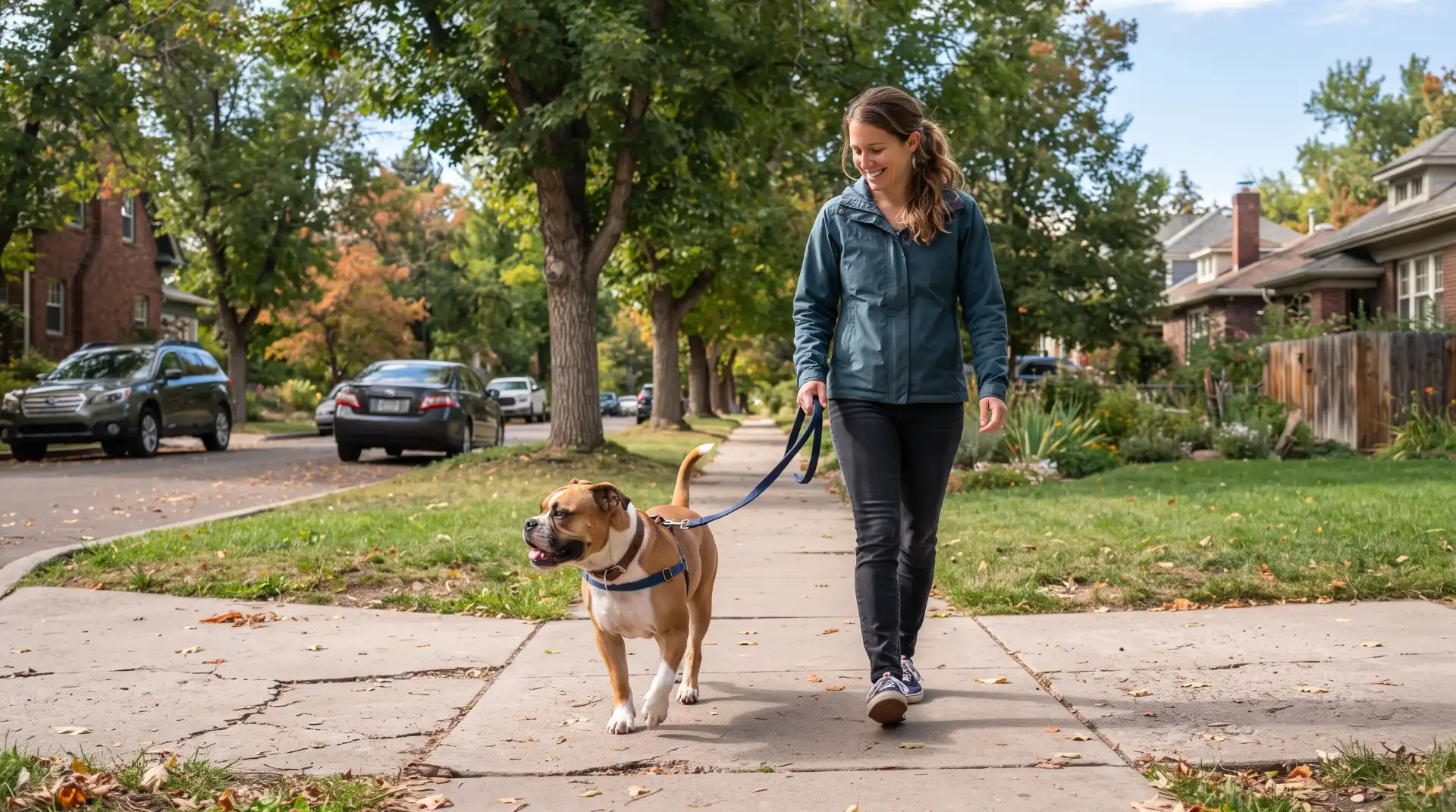
Factors That Affect Continental Bulldog Growth
Several factors influence how large a Continental Bulldog becomes and how healthy its development will be.
Genetics
Genetics play the biggest role in determining adult size. Puppies from larger parents are more likely to become larger adults, while smaller bloodlines may produce more compact dogs.
Responsible breeders carefully select breeding pairs to maintain healthy proportions and reduce inherited health concerns.
Nutrition
A balanced diet supports proper muscle and bone development.
Continental Bulldogs benefit from high-quality dog food containing appropriate levels of:
- Protein
- Healthy fats
- Vitamins
- Minerals
Owners should avoid overfeeding because excess weight can place unnecessary pressure on joints and reduce mobility.
The Association of American Feed Control Officials (AAFCO) provides nutritional guidelines used by many pet food manufacturers:
<a href=”https://www.aafco.org/” target=”_blank”>Association of American Feed Control Officials (AAFCO)</a>
Exercise
Continental Bulldogs are more athletic than some traditional bulldog breeds and require regular activity.
Daily exercise helps maintain:
- Healthy weight
- Muscle strength
- Mental stimulation
- Better behavior
However, exercise should match the dog’s age and physical condition.
Puppies should not participate in excessive high-impact activities, while adult dogs can usually enjoy longer walks and structured play.
Veterinary Care
Regular veterinary visits help track growth and identify potential concerns early.
Veterinarians can monitor:
- Weight changes
- Joint development
- Nutrition needs
- Overall health
Routine care is especially important during puppy growth periods.
How to Tell If Your Continental Bulldog Has a Healthy Weight
Weight alone does not always determine whether a dog is healthy. Body condition is often a better measurement.
A healthy Continental Bulldog should generally have:
- Ribs that can be felt but are not visibly exposed
- A noticeable waist when viewed from above
- A slight abdominal tuck from the side
- Good energy levels
Signs your dog may be overweight include:
- Difficulty exercising
- Reduced stamina
- Lack of visible waist
- Heavy breathing after mild activity
Because Continental Bulldogs have naturally muscular bodies, owners should avoid judging weight only by appearance.
A veterinarian can help determine whether your dog is at an ideal body condition.
Feeding Your Continental Bulldog Based on Growth
Nutrition requirements change as your dog grows.
Puppies require food that supports development, while adult dogs need maintenance nutrition.
Young Continental Bulldogs usually need:
- Multiple meals per day
- Controlled portions
- Puppy-specific formulas
Adult dogs typically transition to:
- Fewer daily meals
- Balanced adult formulas
- Portion control
Treats should also be included carefully because excessive treats can contribute to unnecessary weight gain.
Exercise Needs Based on Age
Continental Bulldog puppies should have short periods of activity combined with rest.
As they mature, owners can gradually increase exercise duration.
Adult Continental Bulldogs often enjoy:
- Walking
- Playing outdoors
- Training games
- Family activities
Because this breed was developed to have improved physical ability compared with some older bulldog types, many Continental Bulldogs enjoy active lifestyles.
However, owners should still monitor exercise during hot weather because bulldog breeds can be sensitive to heat.
Helping Your Continental Bulldog Live a Healthy Life
A healthy Continental Bulldog depends on consistent care throughout every stage of life.
Owners can support long-term health by:
- Maintaining a healthy weight
- Providing balanced nutrition
- Scheduling regular veterinary visits
- Offering daily exercise
- Continuing training and socialization
- Choosing responsible breeding sources
The goal is not simply to have the largest or heaviest dog possible. A healthy Continental Bulldog is one with balanced proportions, strong mobility, good temperament, and excellent quality of life.
Final Thoughts
Continental Bulldogs are medium-sized, athletic companions that combine the affectionate personality of a bulldog with improved physical structure and mobility.
Most adult Continental Bulldogs weigh between approximately 45 and 66 pounds, with males often being larger than females. Puppies grow quickly during their first year, but proper nutrition, exercise, and veterinary care are essential for healthy development.
Understanding Continental Bulldog size and growth expectations helps owners make better decisions about feeding, training, and everyday care.
Whether you already own a Continental Bulldog or are researching the breed before bringing one home, knowing what healthy growth looks like is an important part of responsible ownership.