
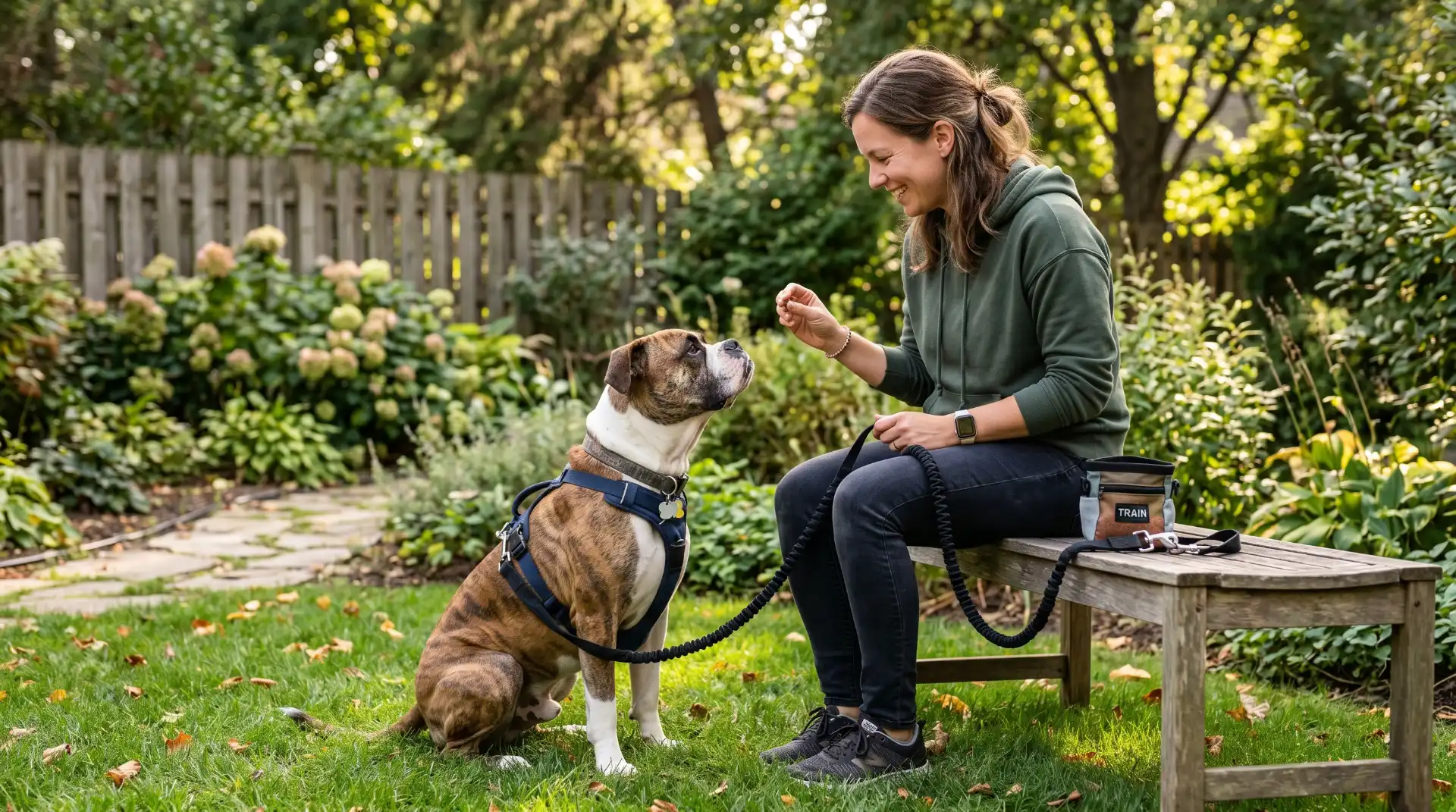
Training a Continental Bulldog can feel challenging for many owners, especially when the dog shows resistance or slow responses to commands. This breed is intelligent, loyal, and affectionate, but it also has an independent personality that can be mistaken for stubbornness.
The good news is that this behavior is manageable with the right approach. Continental Bulldogs respond best to calm guidance, clear communication, and consistent routines rather than force or pressure. When training is done correctly, the process becomes smooth and strengthens the bond between owner and dog.
Understanding Why Continental Bulldogs Seem Stubborn
Continental Bulldogs are not disobedient by nature. Their behavior is often misunderstood. They tend to think before acting, which can look like hesitation or refusal.
Unlike highly reactive working breeds, they are more relaxed and independent. This means they may not respond instantly to commands unless they understand what is expected and feel motivated.
Confusion is often mistaken for stubbornness. If instructions are unclear or inconsistent, the dog may simply pause rather than act. Emotional tone also plays a big role. Harsh correction can cause them to shut down instead of respond.
Understanding this mindset is the first step to effective training.

Setting Up the Right Training Environment
A calm environment is essential during early training. Continental Bulldogs focus better when distractions are minimal. A quiet room or fenced yard works well for starting sessions.
Training should be short and focused. Five to ten minutes per session is often enough. Longer sessions can lead to boredom or loss of attention.
Consistency is also important. Use the same words, tone, and gestures each time. Everyone in the household should follow the same approach to avoid confusion.
Using Positive Reinforcement Effectively
Positive reinforcement is the most effective training method for this breed. This means rewarding good behavior instead of punishing mistakes.
Rewards can include treats, praise, or short play sessions. The key is timing. The reward must come immediately after the correct behavior so the dog understands the connection.
At first, food treats are very effective. Over time, they can be reduced and replaced with verbal praise or affection.
Consistency is more important than intensity. Even small rewards, when given correctly, create strong learning patterns.
For additional guidance on reward-based training methods, you can refer to trusted resources such as the American Kennel Club:
Handling Stubborn Moments Calmly
Stubborn behavior usually appears when the dog is confused, distracted, or unmotivated. Forcing the issue often makes things worse.
Instead of repeating commands loudly, pause and reset the situation. Break the command into smaller steps. For example, focus only on “sit” before expecting more complex behavior.
If the dog refuses to respond, check motivation. A higher-value treat or more enthusiastic tone may help regain attention.
Patience is key. Continental Bulldogs often take a little longer to process commands compared to faster breeds.
Teaching Basic Commands Step by Step
Start with simple commands like sit. Use a treat to guide the dog into position and reward immediately when successful. Repeat this in short, consistent sessions.
Once sit is learned, move to stay. Begin with just a few seconds and slowly increase duration. Always return to reward success before the dog breaks position.
The come command should be practiced in distraction-free areas first. Use a positive tone so the dog associates coming to you with something enjoyable.
Each command builds communication and trust. Over time, these basics create structure and reduce resistance.

Training Outdoors and Managing Distractions
Outdoor environments introduce new challenges. Sounds, smells, and movement can easily distract a Continental Bulldog.
Start training outside in quiet areas such as a backyard or empty park. Keep commands simple and rewards frequent.
If the dog becomes distracted, regain attention first before continuing. Calling their name or using a treat can help redirect focus.
Gradually increase difficulty as the dog improves. This helps build real-world obedience.
Socialization and Emotional Stability
Socialization helps reduce anxiety and stubborn behavior. A well-socialized Continental Bulldog is more confident and easier to guide.
Introduce new people, animals, and environments slowly. Avoid overwhelming situations. Positive experiences help the dog feel safe and relaxed.
A stable emotional environment also improves training results. Dogs that experience calm and predictable routines tend to learn faster.
Common Training Mistakes to Avoid
One common mistake is repeating commands too many times. This can teach the dog to ignore the first request.
Inconsistent rules also create confusion. If behavior is allowed sometimes and not others, the dog does not understand expectations.
Long training sessions can reduce focus. Short, frequent practice works better.
Emotional frustration should also be avoided. Calm energy supports better learning.

Building Long-Term Obedience
Once basic commands are learned, they should be practiced regularly. Training should continue even after the dog understands the basics.
Incorporating commands into daily routines helps reinforce behavior naturally. Asking for a sit before meals or a stay before going outside builds structure.
Over time, obedience becomes part of everyday life rather than a separate activity.
Strengthening the Bond Through Training
Training is not just about obedience. It also builds trust between owner and dog. Continental Bulldogs respond strongly to emotional connection.
Positive interactions during training help create a strong relationship. Each successful session reinforces communication and understanding.
The more consistent and calm the training, the stronger the bond becomes.
Conclusion
Training a stubborn Continental Bulldog does not need to be stressful. With patience, consistency, and positive reinforcement, even strong-willed behavior can be shaped into reliable obedience.
Understanding the breed’s personality is the key. Once the training approach matches their temperament, progress becomes steady and rewarding.
Over time, training strengthens communication and builds a lasting bond between dog and owner.