

Pet care is increasingly moving toward prevention rather than waiting until a dog develops an obvious health problem. For Continental Bulldog owners, this approach can be especially valuable because routine wellness involves much more than annual vaccinations.
Preventive care means paying attention to a dog’s weight, nutrition, dental health, mobility, skin, ears, behavior, exercise, parasite protection, and overall condition throughout the year. It also means building a relationship with a veterinarian who can help create a care plan appropriate for the individual dog.
In 2026, preventive pet wellness is also becoming more personalized. Instead of following exactly the same routine for every dog, owners and veterinarians can consider age, lifestyle, geographic location, activity level, existing health concerns, diet, and exposure risks when deciding what care is appropriate.
For Continental Bulldogs living in the United States, this can mean different priorities depending on whether a dog lives in a hot Southern state, a cold Northern state, a busy urban area, or a rural community.
The goal is not to turn every aspect of dog ownership into a medical procedure. Rather, preventive care gives owners a practical framework for noticing changes early and maintaining healthy habits throughout a dog’s life.
What Does Preventive Care Mean for a Continental Bulldog?
Preventive care is the routine maintenance that helps protect a dog before a serious problem develops.
For a Continental Bulldog, this can include regular veterinary examinations, appropriate vaccinations, parasite prevention, dental care, nutritional monitoring, weight management, exercise, grooming, behavioral observation, and age-appropriate health screening.
A wellness visit is not simply a vaccination appointment. Your veterinarian can use the appointment to assess your dog’s overall condition and identify changes that may not be obvious at home.
During a routine examination, a veterinarian may evaluate body condition, heart and lungs, eyes, ears, mouth and teeth, skin, joints, movement, weight, and other aspects of general health. Your veterinarian can then determine whether additional testing or preventive measures are appropriate.
This is one reason owners should avoid treating online breed information as a substitute for individualized veterinary advice.
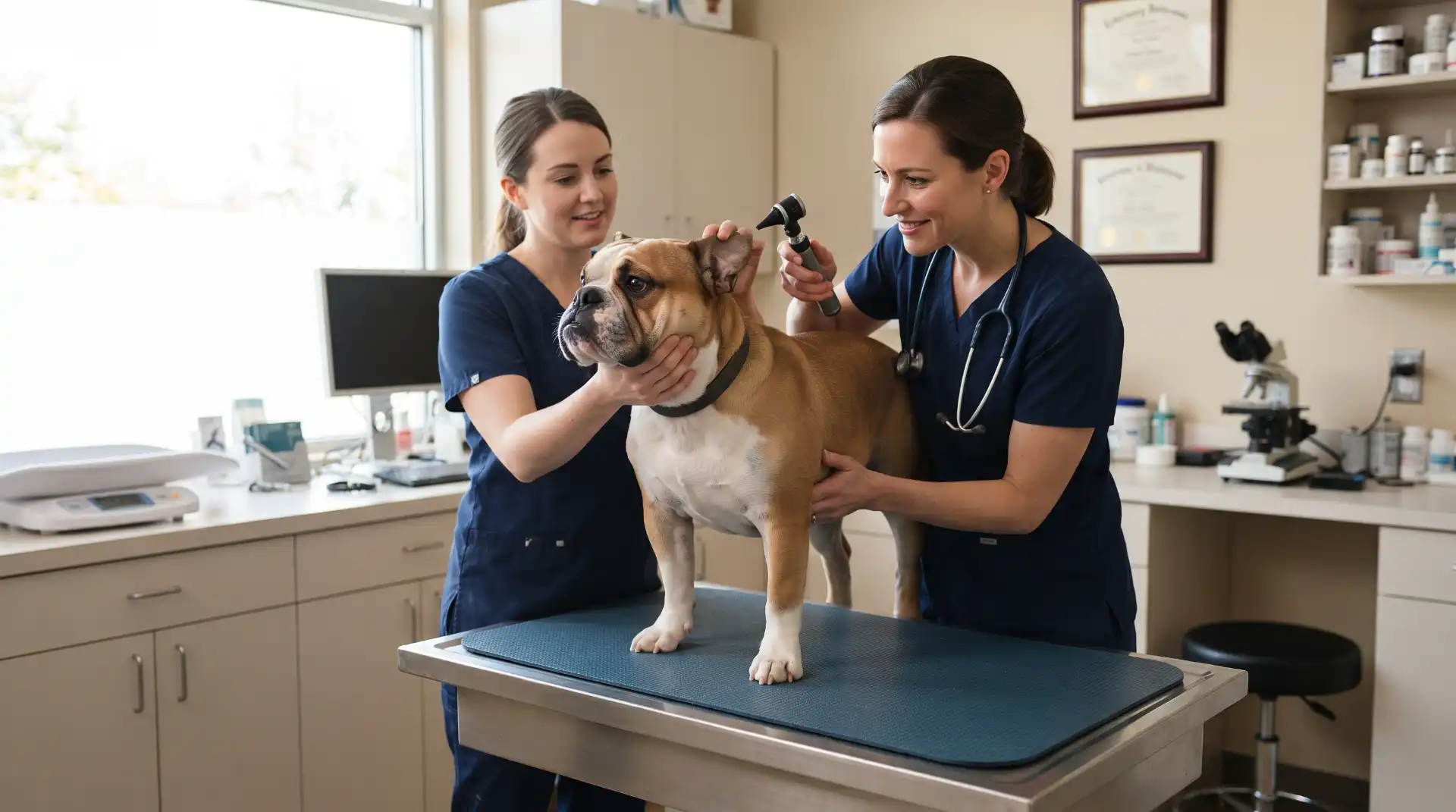
Preventive Veterinary Visits Are Becoming More Important
One of the most important wellness habits is maintaining a consistent veterinary schedule.
Dogs can sometimes hide discomfort or illness. A Continental Bulldog that appears to be eating, playing, and sleeping normally may still have a developing dental, orthopedic, skin, digestive, or other health issue.
Routine veterinary examinations provide an opportunity to establish a baseline for your dog. Once your veterinarian knows what is normal for your Continental Bulldog, changes can be easier to identify.
The appropriate frequency of veterinary visits depends on the individual dog. Puppies typically require more frequent appointments during their early development, while senior dogs may benefit from more frequent monitoring as they age.
Your veterinarian can also discuss which vaccinations and screening tests make sense for your dog’s age and lifestyle.
Owners should bring questions to wellness appointments rather than waiting for a problem to become serious. Changes in appetite, drinking, stool, energy, exercise tolerance, sleep, behavior, or body weight are all worth discussing.
Vaccination Remains a Core Part of Wellness
Vaccination continues to be an important part of preventive dog care in the United States.
However, vaccination schedules are not necessarily identical for every dog. Recommendations can depend on the dog’s age, previous vaccination history, lifestyle, geographic location, exposure risks, and applicable state or local requirements.
For puppies, vaccination is particularly important because young dogs require a series of appropriately timed vaccines as their immune protection develops.
Your Continental Bulldog should have a vaccination plan created with a licensed veterinarian. Core vaccines and other vaccines may be recommended based on the dog’s circumstances.
Rabies vaccination also has legal requirements that vary by state and local jurisdiction. Owners should follow the schedule established by their veterinarian and applicable laws.
Your site’s “2026 Continental Bulldog Vaccination Guide for U.S. Owners” can serve as a useful internal resource for readers who want more information about puppy vaccination schedules, rabies requirements, and veterinary wellness examinations.
Weight Management Is a Major Wellness Priority
Healthy weight is one of the most practical areas where owners can make a difference every day.
A Continental Bulldog has a strong, muscular body, so owners should not rely on a number on the scale alone to determine whether their dog is at an appropriate weight. Body condition and muscle condition are also important.
Overfeeding can gradually create excess body weight, particularly when meals are combined with frequent treats, table scraps, dental chews, and training rewards.
Excess weight can place additional stress on the musculoskeletal system and may make physical activity more difficult. Maintaining a healthy body condition can therefore be an important part of supporting mobility and quality of life.
Instead of automatically increasing food because your dog seems hungry, discuss appropriate portions with your veterinarian. Food requirements can change with age, activity, reproductive status, health conditions, and changes in body condition.
Owners should also periodically reassess treats. Treats should be considered part of the dog’s overall daily calorie intake rather than an unlimited extra.

Personalized Nutrition Is Becoming a Bigger Wellness Trend
Pet nutrition is another area receiving increasing attention in preventive care.
There is no single diet that is automatically perfect for every Continental Bulldog. Puppies, adults, seniors, highly active dogs, and dogs with specific medical needs can have different nutritional requirements.
A complete and balanced commercial diet appropriate for the dog’s life stage can provide a practical foundation. Owners should pay attention to the nutritional adequacy statement and discuss dietary changes with their veterinarian.
Your existing article, “Feeding Your Continental Bulldog: Best Diet Tips from Puppy to Adult,” provides an excellent internal resource for readers who want to explore feeding through different life stages.
Your other nutrition article covering Continental Bulldog nutrition, allergies, and food choices can also be linked when discussing dietary sensitivities and individualized feeding.
Supplements deserve particular caution. A product marketed for joints, skin, digestion, or general wellness is not automatically necessary. Some supplements may interact with medications or may not be appropriate for a particular dog.
Before adding a supplement, ask your veterinarian whether there is a specific reason to use it and whether the product has appropriate quality and safety information.
Dental Wellness Should Not Be Overlooked
Dental care is sometimes treated as an optional part of grooming, but oral health deserves to be considered part of preventive wellness.
Plaque can accumulate on teeth, and dental disease can develop over time. Owners may notice bad breath, tartar, red gums, difficulty chewing, changes in appetite, or reluctance to have the mouth touched.
However, visible symptoms are not the only reason to pay attention to oral health.
A home dental routine can help reduce plaque accumulation. Your veterinarian can explain appropriate brushing techniques and recommend products that fit your dog’s needs.
Some dogs resist tooth brushing initially. Starting gradually can make the process easier. Owners can begin by allowing the dog to become comfortable with having the lips and mouth gently handled before introducing a toothbrush.
Professional dental cleaning may also be recommended by a veterinarian when appropriate.
The important principle is consistency. A few minutes of preventive dental care can become a normal part of your Continental Bulldog’s routine.
Parasite Prevention Depends on Where You Live
Parasite prevention is another area where personalized veterinary guidance matters.
The parasite risks faced by a Continental Bulldog in Florida may differ from those faced by a dog living in Maine, Colorado, California, or Washington. Climate, wildlife, outdoor activity, travel, and local disease patterns can all influence exposure.
Heartworms, fleas, ticks, and intestinal parasites can create significant health concerns for dogs.
Preventive medications are available for many common parasites, but owners should not select a product solely because it is popular online. Your veterinarian can recommend an appropriate preventive strategy based on your dog’s health and local risk factors.
Keeping records of preventive treatments can also make it easier to maintain a consistent schedule.
Exercise Is About Quality, Not Just Quantity
Continental Bulldogs generally benefit from regular physical activity, but exercise should be appropriate for the dog’s age, fitness level, environment, and health.
The objective is not to exhaust your dog every day.
A balanced routine can combine walking, play, training exercises, sniffing opportunities, and mentally stimulating activities.
Puppies require particular care because their bones and joints are still developing. Excessive impact, repetitive jumping, or overly strenuous exercise may not be appropriate for a young dog.
Your existing “Ultimate Guide to Caring for Your Continental Bulldog Puppy” can be linked here for readers who need additional information about age-appropriate activity and puppy development.
Adult dogs may benefit from consistent walks and play sessions, while senior Continental Bulldogs may need shorter or slower activities.
The best routine is one your dog can perform comfortably without excessive fatigue, pain, overheating, or prolonged recovery afterward.
Mental Wellness Is Part of Preventive Care
Physical health is only one part of wellness.
Continental Bulldogs also need mental stimulation, social interaction, training, and opportunities to investigate their environment.
Boredom can contribute to unwanted behaviors such as destructive chewing, excessive barking, digging, or attention-seeking.
Simple enrichment activities can be incorporated into everyday life. Food puzzles, scent games, obedience practice, interactive toys, supervised exploration, and short training sessions can provide mental stimulation without requiring intense physical exercise.
Training itself can be considered part of wellness because it helps owners and dogs communicate.
Your existing “Training Tips for Continental Bulldogs: From Puppy to Adult” article can be internally linked from this section for readers looking for practical training ideas.
Positive reinforcement can also make routine handling easier. Teaching a Continental Bulldog to calmly accept ear checks, paw handling, brushing, and mouth examinations can make preventive care less stressful.
Senior Wellness Requires More Observation
As Continental Bulldogs grow older, preventive care should evolve with them.
A senior dog may experience gradual changes in mobility, vision, hearing, appetite, sleep, behavior, or exercise tolerance.
These changes should not automatically be dismissed as “just aging.”
For example, a dog that suddenly avoids stairs or no longer wants to jump onto furniture may be experiencing discomfort. A dog that drinks significantly more water than usual may also need veterinary evaluation.
Keeping a simple wellness journal can help owners identify gradual changes.
Record your dog’s approximate weight, appetite, exercise habits, medications, preventive treatments, and unusual observations. This information can be useful during veterinary appointments.
Senior dogs may also benefit from veterinary visits and diagnostic monitoring at intervals recommended for their individual needs.
At-Home Monitoring Is Becoming Easier
Technology is also influencing modern pet wellness.
Digital scales, activity trackers, automatic feeders, smart cameras, and other pet-monitoring devices can help owners collect information about daily routines.
These tools can be useful, but they should be viewed as supplements to veterinary care rather than replacements for professional examinations.
For example, a smart device might show that your dog has become less active. That information may be useful to discuss with a veterinarian, but the device cannot determine why activity has changed.
Similarly, an automatic feeder can help maintain a consistent schedule, but it cannot determine whether your dog’s nutritional requirements have changed.
Technology is most useful when it helps owners notice patterns and communicate better with veterinary professionals.
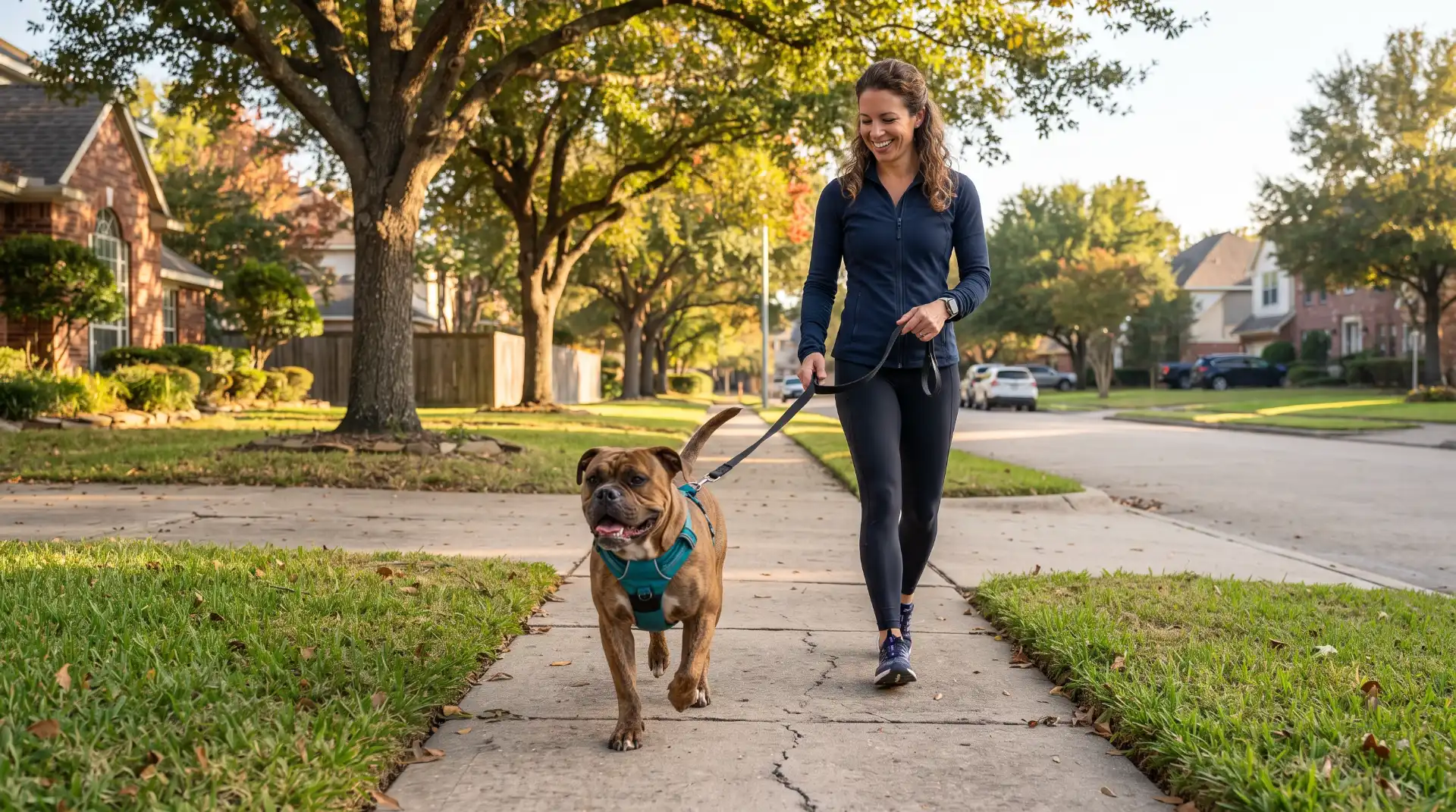
Heat Safety Is Especially Important in U.S. Summers
Seasonal wellness should also be part of a Continental Bulldog’s preventive-care plan.
During hot weather, owners need to consider temperature, humidity, exercise intensity, pavement temperature, access to shade, and availability of fresh water.
Avoid strenuous activity during the hottest parts of the day. Morning and evening walks may be more comfortable during periods of high heat.
Never leave a dog unattended in a parked vehicle, even for a short period.
Owners should become familiar with signs of heat-related distress and seek veterinary attention promptly if their dog appears severely overheated, weak, confused, collapses, or has difficulty breathing.
Hot-weather precautions are particularly relevant for U.S. owners living in states where summer temperatures can remain high for extended periods.
Preventive Care Starts With a Practical Home Routine
The biggest wellness improvements do not necessarily come from complicated routines.
A simple weekly check can help owners become familiar with their Continental Bulldog’s normal condition.
Look at the eyes and ears, check the coat and skin, observe movement, inspect the paws, pay attention to appetite and water consumption, and monitor stool and bathroom habits.
You do not need to perform a medical examination at home. The purpose is simply to recognize what is normal for your dog.
If something changes and does not return to normal, contact your veterinarian.
This approach can be particularly useful because owners spend far more time with their dogs than veterinary professionals do. You may be the first person to notice a subtle behavioral or physical change.
Creating a 2026 Preventive Wellness Calendar
A wellness calendar can make preventive care much easier to manage.
At the beginning of the year, record your dog’s veterinary appointments, vaccination dates, parasite-prevention schedule, grooming appointments, dental-care routine, medication schedule, and any recommended testing.
Set reminders for monthly or seasonal tasks.
For example, January can be used to review the dog’s medical records and upcoming veterinary appointments. Spring can be a good time to review parasite protection and outdoor activity. Summer should include a heat-safety review. Fall can be an opportunity to reassess exercise and weight after the warmer months. Winter can focus on maintaining activity indoors when weather limits outdoor exercise.
The exact schedule should be individualized with your veterinarian.
Pet Insurance and Wellness Planning
Another growing part of pet wellness planning is preparing financially for veterinary care.
Pet insurance and wellness plans are different types of products. Traditional accident-and-illness insurance generally addresses unexpected covered veterinary expenses, while wellness plans may help with certain routine or preventive services.
Current U.S. pet-wellness products can differ substantially in covered services, annual limits, reimbursement structures, exclusions, and costs.
Continental Bulldog owners considering insurance should read the policy carefully rather than assuming that routine care, hereditary conditions, dental procedures, medications, or pre-existing conditions are automatically covered.
A dedicated emergency savings fund is another option some owners use to prepare for unexpected veterinary expenses.
The right financial arrangement depends on the individual household and the dog’s circumstances. The important preventive-care principle is to have a plan before an emergency occurs.
A Preventive Care Approach for Every Life Stage
Preventive care changes as a Continental Bulldog grows.
For puppies, the focus is on vaccinations, nutrition, development, socialization, parasite prevention, appropriate exercise, and establishing healthy routines.
For adult dogs, owners can focus on maintaining a healthy body condition, dental hygiene, exercise, preventive medications, behavior, nutrition, and regular veterinary examinations.
For senior dogs, observation becomes increasingly important. Changes in mobility, appetite, behavior, weight, sleep, and activity should be discussed with a veterinarian when they occur.
There is no single checklist that perfectly fits every Continental Bulldog.
That is why preventive care works best as an ongoing partnership between the owner and veterinary team.
Frequently Asked Questions
How often should a Continental Bulldog see a veterinarian?
The appropriate schedule depends on age, health, lifestyle, and veterinary recommendations. Puppies generally need more frequent visits during their first year, while adult and senior dogs may have different monitoring needs.
What should I monitor at home?
Pay attention to appetite, water consumption, weight, stool, activity, mobility, skin, coat, ears, eyes, teeth, breathing, and behavior. Sudden or persistent changes should be discussed with your veterinarian.
Is preventive care expensive?
Costs vary widely depending on location, veterinary practice, services, medications, testing, and the individual dog’s needs. Planning ahead through savings or appropriate insurance can help owners prepare for routine and unexpected expenses.
Does every Continental Bulldog need the same vaccines?
No. Vaccine recommendations can depend on age, previous vaccination history, geographic location, lifestyle, exposure risk, and applicable laws. A veterinarian should create the appropriate vaccination plan.
Can I manage my dog’s health entirely at home?
Home care is an important part of wellness, but it should complement—not replace—professional veterinary care. Veterinary examinations allow trained professionals to identify issues that may not be apparent to an owner.
Conclusion
Pet wellness in 2026 is increasingly centered on prevention, personalization, and early awareness.
For Continental Bulldog owners, preventive care can begin with simple habits: maintain a healthy weight, provide appropriate nutrition, keep vaccinations and parasite prevention current, establish dental-care routines, provide regular but appropriate exercise, encourage mental stimulation, monitor behavior, and maintain regular veterinary visits.
Technology can help owners track routines, while veterinary professionals remain essential for examinations, diagnosis, treatment, and individualized preventive recommendations.
Most importantly, wellness should be viewed as an ongoing process rather than something that happens only when a dog becomes sick.
By paying attention to small changes and maintaining consistent routines, U.S. Continental Bulldog owners can create a stronger foundation for their dogs’ health throughout puppyhood, adulthood, and the senior years.