
How Much Exercise Does a Continental Bulldog Need Every Day?
The Continental Bulldog is a unique breed that combines the affectionate personality many people love about bulldogs with a more athletic and functional body structure. Developed to improve movement and overall health compared with some traditional bulldog types, Continental Bulldogs are generally capable of enjoying regular physical activity while still being calm and comfortable family companions.
One of the most common questions from current and future owners is how much exercise a Continental Bulldog actually needs. While these dogs are not high-energy working breeds that require hours of intense activity, they do need consistent daily movement to maintain a healthy weight, strong muscles, and good behavior.
Most adult Continental Bulldogs benefit from around 45 to 60 minutes of moderate exercise each day. This amount can vary depending on the dog’s age, health, personality, body condition, and lifestyle. Some dogs may be satisfied with shorter walks combined with play and training, while younger or more energetic dogs may need additional activities.
The key is finding a balanced routine that keeps your Continental Bulldog active without putting unnecessary stress on their joints or body.
For general guidance about canine exercise requirements, the American Kennel Club provides helpful information about matching activity levels with different dog breeds and lifestyles.
Understanding the Continental Bulldog’s Energy Level
Continental Bulldogs are often described as companion dogs with an athletic side. They enjoy spending time with their owners, participating in family activities, and exploring their surroundings. Unlike some bulldogs that may struggle with extended physical activity due to breathing or structural issues, Continental Bulldogs were developed with improved mobility and a more balanced build.
However, their bulldog personality remains important to consider. They are usually not dogs that want constant exercise throughout the day. A Continental Bulldog may happily enjoy a walk in the morning, playtime later in the day, and then relax with the family at home.
This balance makes them suitable for many households, including families, couples, and individuals who want an affectionate dog that can participate in everyday activities without requiring extreme exercise.
A lack of activity can create problems, though. Like many companion breeds, Continental Bulldogs can gain weight if they do not receive enough movement. Excess weight can place additional pressure on joints and may reduce mobility as the dog gets older.
Regular exercise is one of the simplest ways owners can protect their dog’s long-term health.
Daily Exercise Requirements for Adult Continental Bulldogs
A healthy adult Continental Bulldog generally does well with moderate daily activity. A combination of walking, play, and mental stimulation is often more beneficial than a single intense workout.
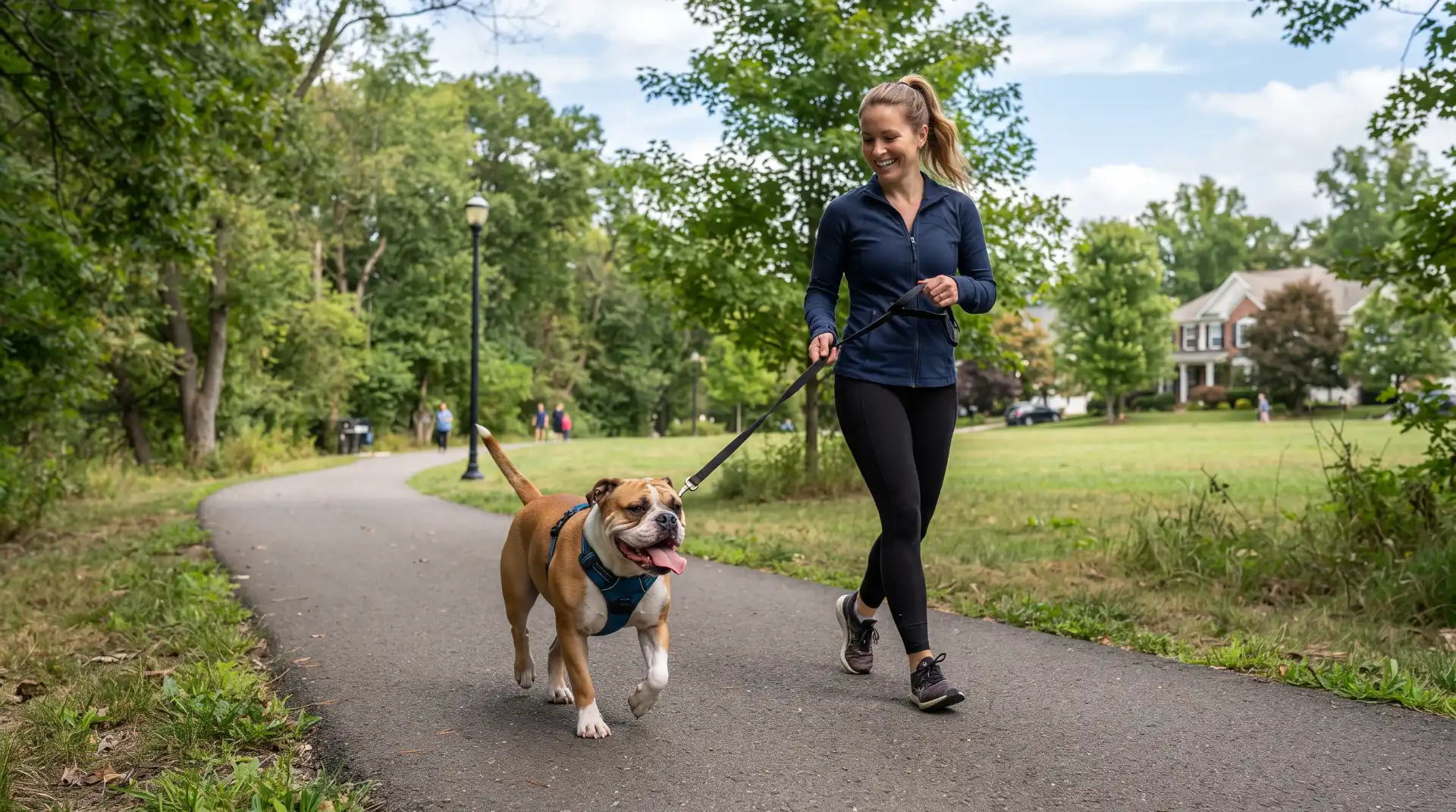
Daily walks are one of the most important forms of exercise for this breed. Walking helps maintain muscle tone, supports healthy weight management, and gives dogs an opportunity to explore different environments. The mental stimulation that comes from smelling new surroundings is also an important part of a dog’s overall well-being.
Many Continental Bulldog owners find that two shorter walks work better than one long walk. A morning walk and an evening walk can provide enough activity while allowing the dog time to rest between sessions.
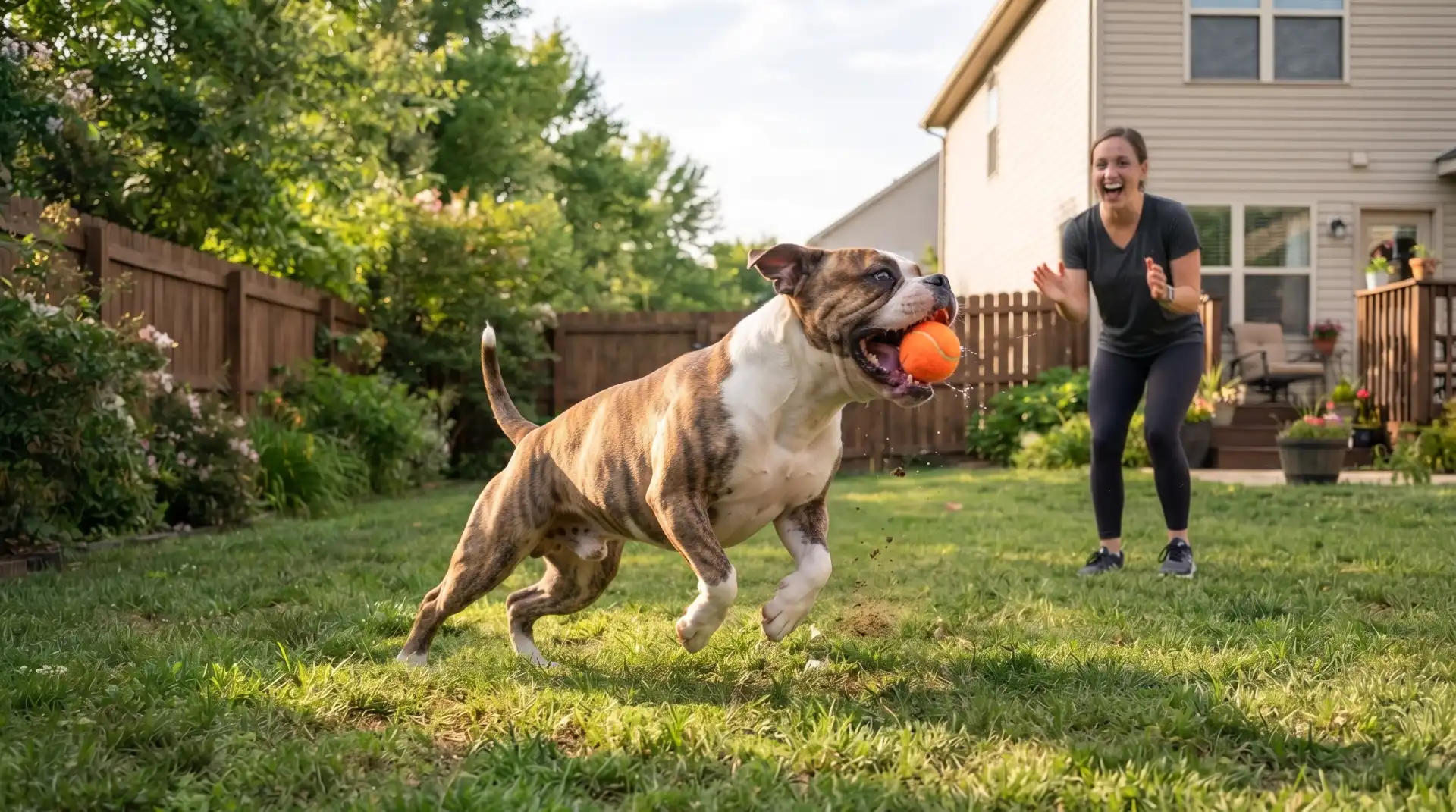
Playtime is another valuable part of the daily routine. Activities such as playing with toys, gentle games of fetch, or interactive activities with family members provide exercise while strengthening the bond between the dog and owner.
The goal is not to exhaust your Continental Bulldog. A successful exercise routine should leave your dog satisfied, calm, and comfortable.
Exercise Needs for Continental Bulldog Puppies
Continental Bulldog puppies require a different approach because their bodies are still developing.
During puppyhood, bones, joints, muscles, and coordination are changing quickly. While puppies often appear energetic and playful, they should not participate in excessive exercise that could place unnecessary stress on developing structures.
Young puppies benefit from short periods of activity spread throughout the day. Gentle play, basic training, and short walks are usually better options than long-distance walks or intense physical games.
Training sessions are especially useful during puppy development because they provide both mental and physical stimulation. Learning commands, practicing leash manners, and exploring new environments help puppies become confident and well-adjusted adults.
Owners should also remember that puppies need significant rest. Sleep plays an important role in healthy growth, and over-exercising a young dog can sometimes lead to fatigue or discomfort.
Best Exercise Activities for a Continental Bulldog
Continental Bulldogs usually enjoy activities that allow them to move while staying connected with their owners.
Walking remains one of the best choices because it is simple, consistent, and adaptable. Owners can adjust the distance and pace depending on their dog’s fitness level.
Outdoor exploration is also beneficial. A walk through a neighborhood, park, or safe walking trail provides both physical movement and mental enrichment. Dogs experience the world through scent, and allowing them time to investigate their surroundings makes walks more rewarding.
Interactive games are another excellent option. Continental Bulldogs often enjoy activities that involve their owners, such as playing with toys or practicing commands. These activities provide exercise while encouraging problem-solving and good behavior.
Training should also be considered part of exercise. A short obedience session can be surprisingly tiring because dogs must focus, listen, and process information. For intelligent breeds like the Continental Bulldog, mental stimulation can be just as important as physical activity.
How Exercise Supports Continental Bulldog Health
A proper exercise routine contributes to many areas of a Continental Bulldog’s health.
Maintaining a healthy weight is one of the biggest benefits. Bulldogs can be prone to weight gain when their food intake is not balanced with activity levels. Extra weight can affect mobility and increase stress on the body.
Exercise also supports muscle development. Continental Bulldogs have naturally strong bodies, and regular movement helps maintain their strength and coordination.
Physical activity can also improve behavior. Dogs that do not receive enough stimulation may become bored, restless, or develop unwanted habits. A consistent routine gives them an appropriate outlet for energy.
Because Continental Bulldogs are people-oriented dogs, exercise also provides valuable bonding time. Daily walks and play sessions help strengthen trust and create a stronger relationship between owners and their dogs.
Signs Your Continental Bulldog May Need More Exercise
Every dog has an individual personality, but certain behaviors may indicate that a Continental Bulldog needs more activity.
A dog that regularly appears restless, constantly seeks attention, chews household items, or struggles to relax may not be receiving enough physical or mental stimulation.
Weight gain can also be a sign that activity levels need adjustment. If your Continental Bulldog is gaining excess weight despite proper feeding, increasing daily movement may help.
However, owners should always make changes gradually. Increasing exercise too quickly can cause unnecessary strain, especially if a dog has been inactive for a long period.
Signs Your Continental Bulldog Is Exercising Too Much
While exercise is important, too much activity can also create problems.
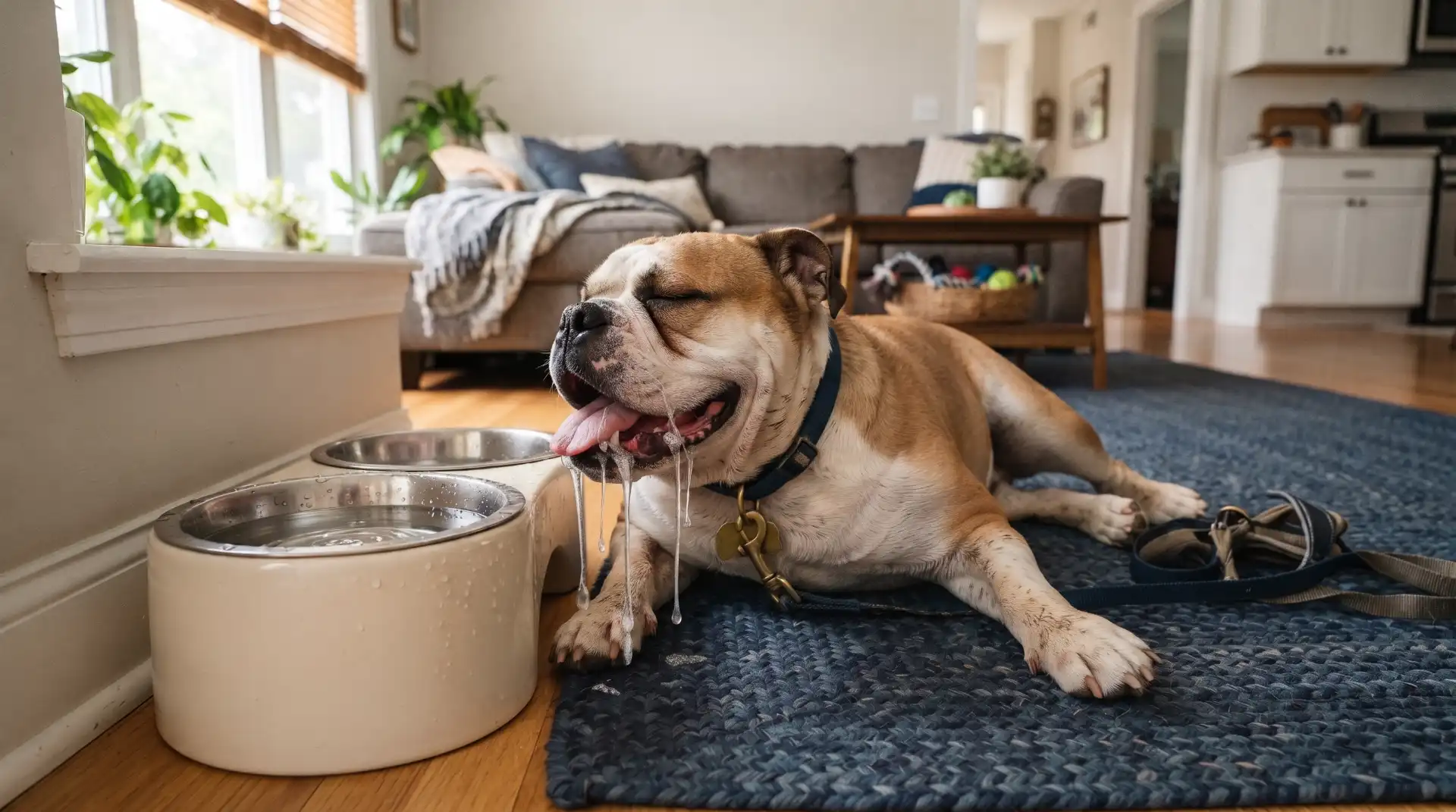
Continental Bulldog owners should watch for signs of overexertion, including excessive panting, reluctance to continue walking, stiffness, limping, or unusual tiredness.
Weather conditions are also important. During hot summer months, owners should be cautious because bulldog-type breeds can be more sensitive to heat.
Walking during cooler parts of the day, providing water, and avoiding extremely hot surfaces can help reduce risks during outdoor activities.
If a dog regularly struggles during exercise, owners should consult a veterinarian to determine whether an underlying health issue may be contributing.
Exercise Requirements During Different Life Stages
A Continental Bulldog’s exercise needs change throughout life.
Young puppies need short, controlled activities that support development. Adult dogs generally require consistent daily movement to maintain fitness. Senior dogs may need shorter walks and lower-impact activities while still benefiting from regular mobility.
Older Continental Bulldogs should not be encouraged to become completely inactive. Gentle movement can help support joint health and overall quality of life.
The best approach is adjusting exercise based on the individual dog rather than following a strict schedule.
Indoor Exercise Ideas for Continental Bulldogs
Outdoor exercise is ideal, but weather conditions, busy schedules, or other circumstances may require indoor activities.
Mental games can help keep a Continental Bulldog active inside the home. Puzzle toys, training exercises, and interactive games can provide meaningful stimulation.
Short training sessions are especially effective because they challenge the dog mentally while reinforcing good behavior.
Indoor activities are not meant to replace regular walks permanently, but they can help maintain engagement when outdoor exercise is limited.
Nutrition and Exercise Work Together
Exercise alone cannot maintain a healthy Continental Bulldog. Proper nutrition is equally important.
Active dogs need balanced meals that provide the nutrients necessary for energy, muscle maintenance, and recovery. However, owners should avoid overfeeding simply because their dog is active.
Food portions should be based on factors such as age, weight, activity level, and veterinarian recommendations.
The Association of American Feed Control Officials provides nutritional guidelines used by many pet food manufacturers.
A balanced approach between food and exercise helps Continental Bulldogs maintain healthy body condition throughout their lives.
Creating a Healthy Exercise Routine
The best exercise routine is one that fits both the dog and the owner’s lifestyle.
A Continental Bulldog does not need extreme athletic training. Instead, they benefit from consistency. Regular walks, daily interaction, and opportunities to explore are usually enough to support physical and emotional health.
Owners should focus on quality rather than simply increasing exercise time. A meaningful walk with opportunities to explore and interact can be more valuable than a long walk without engagement.
Final Thoughts
Continental Bulldogs are active but balanced companions that thrive with regular daily exercise. Most adult dogs of this breed need approximately 45 to 60 minutes of moderate activity each day through walking, play, and training.
The right amount of exercise depends on your dog’s age, health, personality, and lifestyle. Puppies need controlled activity during growth, adults need consistent movement, and seniors may require gentler routines.
By providing appropriate exercise, proper nutrition, and regular veterinary care, owners can help their Continental Bulldog maintain a healthy weight, strong body, and happy temperament.
A well-exercised Continental Bulldog is not only healthier physically but is also more relaxed, confident, and better prepared to enjoy life as a loyal family companion.