
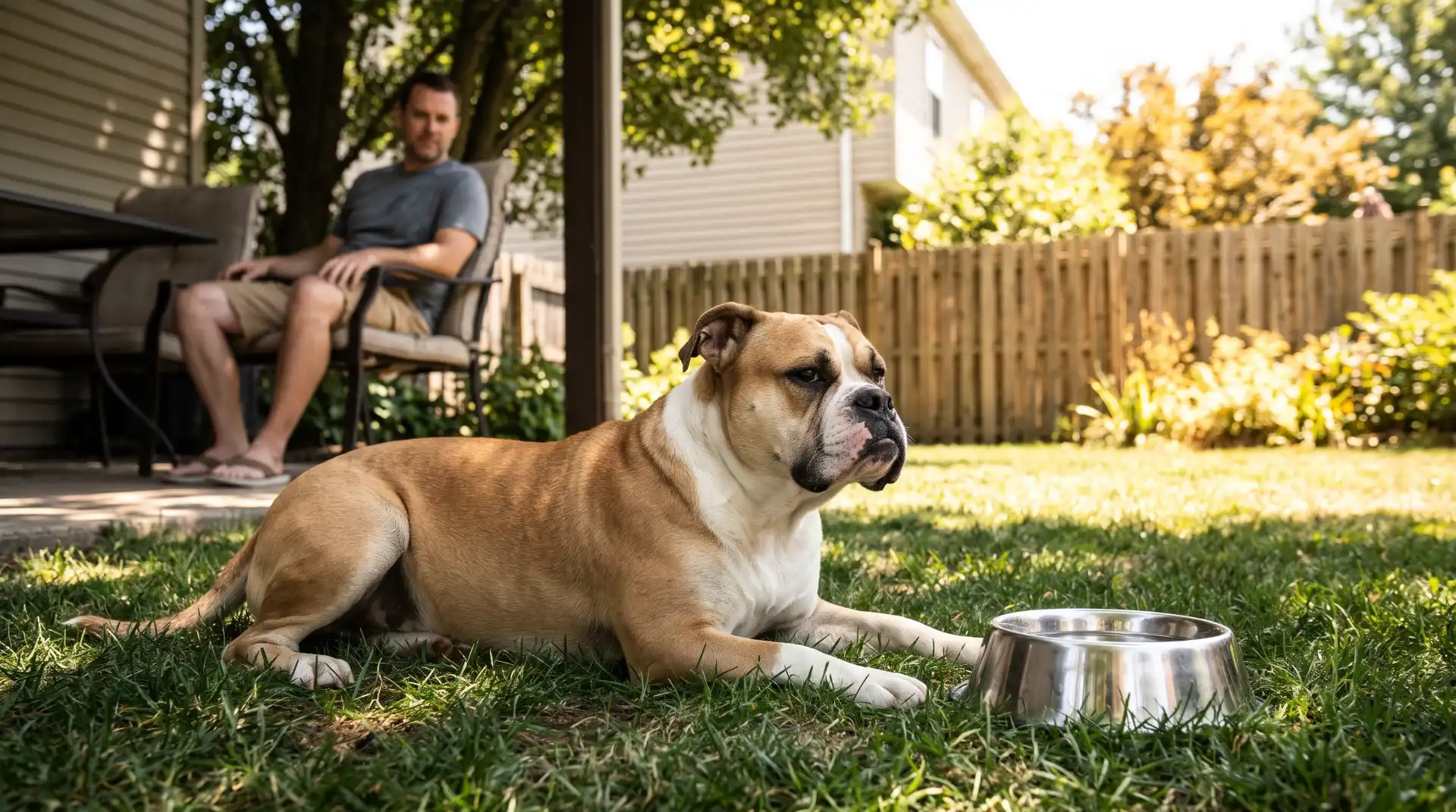
Extreme heat can turn an ordinary summer day into a serious health risk for dogs, particularly those that have difficulty cooling themselves efficiently. For Continental Bulldog owners, preparing for the 2026–2027 El Niño period is an opportunity to review daily care routines, improve household emergency plans, and learn how to recognize overheating before it becomes a life-threatening emergency.
Continental Bulldogs are muscular, active, affectionate companions that enjoy walks, outdoor exploration, training, and spending time with their families. Although the breed was developed with an emphasis on a more functional structure than some traditional bulldog types, individual dogs can still have respiratory limitations and reduced tolerance for hot or humid weather. A healthy-looking dog is not automatically protected from heatstroke.
El Niño is a climate pattern associated with warmer-than-average sea surface temperatures in the tropical Pacific and changes in atmospheric circulation. NOAA’s Climate Prediction Center ENSO information provides updates on the event and its expected development. The weather effects vary across the United States, so El Niño does not mean that every state will experience the same temperatures, drought conditions, or rainfall patterns.
Nevertheless, heat waves, unusually warm nights, power outages, dry conditions, and wildfire smoke are sensible risks to consider when preparing for seasonal weather. A Continental Bulldog living in Arizona may need a different routine from one living in the Pacific Northwest, but both benefit from fresh water, a cool resting place, carefully managed exercise, and an owner who understands the warning signs of heat-related illness.
This guide explains how to protect your Continental Bulldog from extreme heat during the 2026–2027 El Niño period. It covers home preparation, hydration, outdoor exercise, nutrition, grooming, emergency response, travel, and special precautions for puppies and senior dogs.
Why Continental Bulldogs Need Special Attention During Hot Weather
Understanding how your dog responds to heat is the foundation of effective prevention. Dogs regulate body temperature differently from humans, and their ability to remain comfortable depends on several factors, including body structure, age, fitness, humidity, airflow, and the intensity of physical activity.
How Dogs Cool Themselves
Dogs rely heavily on panting to release body heat. When a dog pants, moisture evaporates from the tongue and respiratory surfaces, helping cool the body. Dogs also exchange some heat through other body surfaces, but panting is especially important during warm weather and exercise.
The process becomes less effective when the surrounding air is very hot or humid. High humidity limits evaporation, while strenuous activity causes the muscles to produce additional heat. If a dog continues exercising despite rising body temperature, the body may struggle to release heat quickly enough.
This is why a dog can become dangerously overheated during a seemingly ordinary activity such as playing fetch, walking around a sunny neighborhood, or running in a backyard. The danger is not determined by air temperature alone. Humidity, direct sunlight, surface temperature, exercise intensity, and the dog’s individual health all matter.
How the Continental Bulldog’s Body Structure Affects Heat Tolerance
Continental Bulldogs generally have a more moderate build than some traditional bulldog breeds, but they remain sturdy dogs, and some individuals have shortened muzzles or airway abnormalities. Narrow nostrils, restricted airflow, excess body weight, and certain respiratory conditions can make cooling more difficult.
A dog with compromised breathing may need to work harder to move air in and out of its respiratory system. During hot weather, that extra effort can compound the demands already placed on the body.
Owners should pay particular attention to noisy breathing that becomes more pronounced during activity, prolonged recovery after a short walk, repeated gagging, fainting, or difficulty breathing while resting. These signs should not be dismissed as normal breed characteristics.
For a deeper discussion of respiratory risks and other breed-related concerns, read the existing guide on Health Issues in Continental Bulldogs and How to Prevent Them. Understanding your dog’s individual health needs helps you make safer decisions about exercise and environmental conditions.
What El Niño Means for American Dog Owners
El Niño influences seasonal weather patterns, but its local effects are not identical from one year to another. Some regions may experience conditions that increase heat concerns, while others may experience different combinations of precipitation, storms, or temperature changes.
Rather than assuming that the entire United States will experience extreme heat, owners should follow local weather forecasts, heat advisories, air-quality alerts, and emergency announcements.
In hot inland areas of California, Arizona, Nevada, and Texas, owners may need to prepare for very warm afternoons and hot pavement. In humid parts of the Southeast, the combination of heat and moisture can make cooling more difficult. Even in regions with generally milder summers, a sudden heat wave can be dangerous for a dog that has not adjusted to warmer conditions.
The best approach is to prepare in advance and adjust your dog’s routine according to actual local conditions.
Prepare Your Home Before the Next Heat Wave
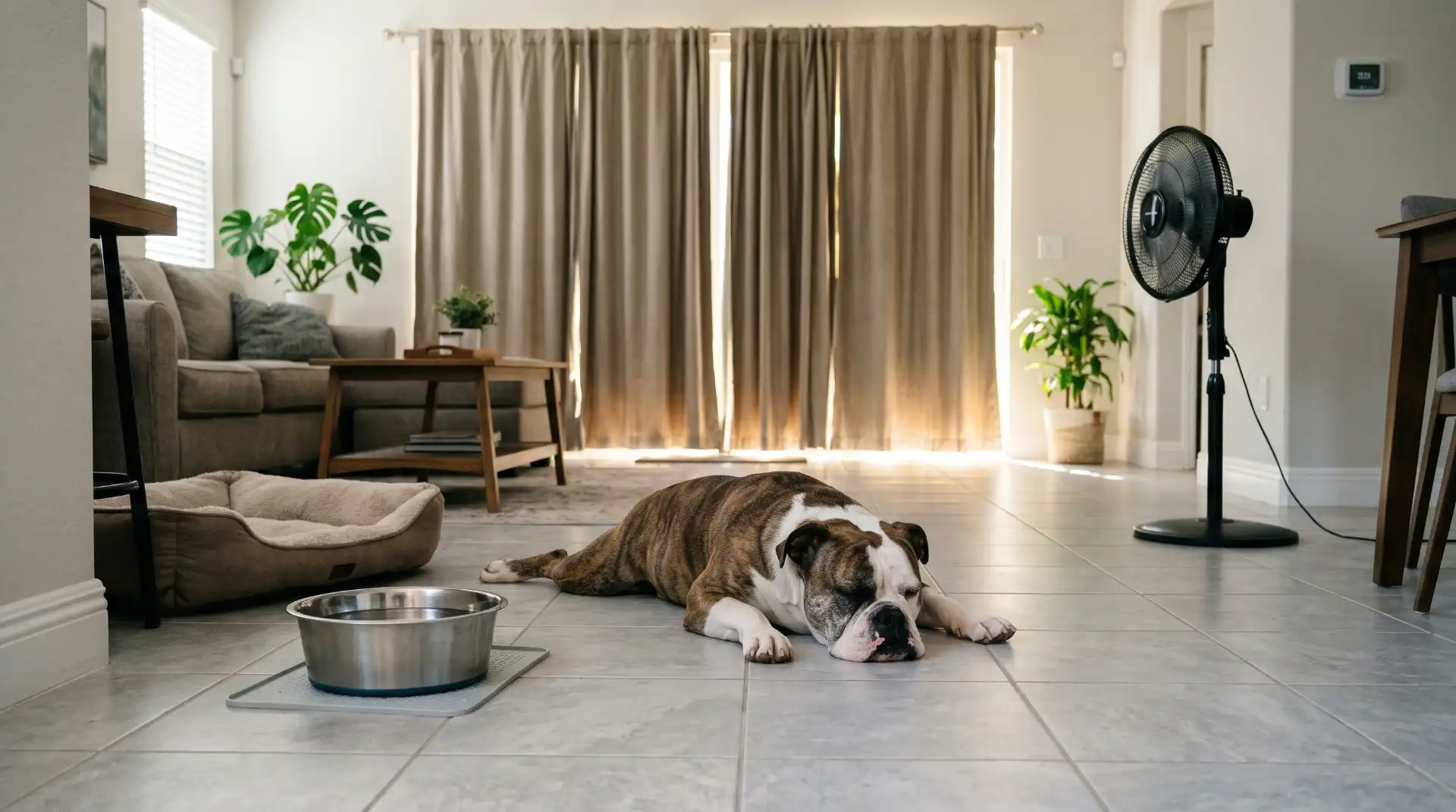
A cool indoor environment is one of the most effective protections for a Continental Bulldog during dangerous weather. Preparing your home before temperatures rise can reduce the risk of overheating and make it easier to respond if outdoor conditions become unsafe.
Establish a Cool Indoor Resting Area
Choose a room that stays relatively cool throughout the day. Ideally, it should have effective air conditioning, limited direct sunlight, good airflow, and enough space for your dog to rest comfortably.
Close curtains or blinds on windows that receive strong afternoon sunlight. Move your dog’s bed away from hot windows, exterior doors, and appliances that generate heat. Some dogs prefer lying on cool tile or another safe, hard surface instead of a thick bed during summer.
Allow your Continental Bulldog to choose a comfortable resting position. Avoid forcing the dog to remain on a padded bed if the material feels too warm, and ensure that any cooling mat is used according to its instructions.
Do not assume that a shaded garage, enclosed porch, or sunroom is safe. These areas can become hot and poorly ventilated, especially when outdoor temperatures remain elevated for several hours.
Use Air Conditioning and Fans Appropriately
Air conditioning can make a substantial difference during prolonged heat waves. Check your cooling system before summer, replace filters according to the manufacturer’s recommendations, and make sure the room where your dog rests remains comfortable.
A fan can improve air movement, but it should not be treated as a substitute for adequate cooling when the room itself is dangerously hot. A fan circulating very warm air may provide little protection under severe conditions.
Consider placing a room thermometer where your dog spends most of its time. This helps you notice rising indoor temperatures before your dog begins showing signs of distress.
There is no single indoor temperature that guarantees safety for every dog. Your veterinarian can help determine appropriate environmental precautions based on your Continental Bulldog’s age, body condition, respiratory health, and other medical factors.
Never Leave Your Bulldog in a Parked Vehicle
A parked car can heat up rapidly, even when the outdoor temperature does not seem extreme. Leaving the windows partly open or parking in the shade does not make an unattended vehicle safe.
During hot weather, leave your Continental Bulldog at home when running errands whenever possible. If you travel with your dog, plan stops carefully and never leave the animal unattended in a vehicle.
This precaution is particularly important during road trips, shopping trips, and family outings when a quick stop may take longer than expected. Dogs can develop dangerous heat stress before an owner realizes how hot the vehicle has become.
Keep Water Available Throughout the House
Place stable, clean water bowls in the rooms your dog uses most often. If your home has multiple floors, keep water accessible on each level so that your dog does not have to climb stairs whenever it needs a drink.
Refill bowls regularly, especially during warm weather. Wash them frequently to remove saliva, food particles, and other debris. A bowl that tips easily or sits in direct sunlight may become less useful during a heat wave.
If your Continental Bulldog spends time in a secure outdoor area, provide shade and fresh water, but do not treat these as substitutes for bringing the dog inside when conditions become dangerous.
Hydration Strategies to Prevent Dehydration
Hydration is essential for normal body function and temperature regulation. During hot weather, a dog may drink more because panting increases moisture loss. If fluid intake does not keep pace with the body’s needs, dehydration can develop.
How Much Water Does a Continental Bulldog Need?
Water requirements vary with body weight, diet, activity, health, and environmental conditions. Dogs eating dry kibble obtain less moisture from their food than dogs eating wet food, while dogs that exercise more may need additional fluids.
Instead of relying on one fixed daily quantity, provide continuous access to fresh water and pay attention to your dog’s usual drinking habits. Your veterinarian can help estimate appropriate daily needs and explain whether a medical condition or medication affects fluid requirements.
A sudden increase in thirst or a substantial decrease in drinking should not automatically be blamed on hot weather. Both can be associated with medical problems that deserve veterinary attention.
Never restrict a dog’s access to water during hot weather unless a veterinarian gives specific instructions for a medical reason.
Encourage Drinking Without Forcing It
Some dogs drink readily from a familiar bowl but are reluctant to drink while traveling or visiting unfamiliar locations. If your Continental Bulldog is going outdoors during suitable weather, bring a portable water bottle and collapsible bowl.
Offer water during breaks and after returning indoors. Allow your dog to drink at its own pace rather than forcing water into its mouth.
If the dog is weak, confused, vomiting, or struggling to breathe, do not attempt to force drinking. These symptoms may indicate a medical emergency, and the dog needs prompt veterinary guidance.
Use Frozen Treats as a Supplement
Frozen treats can provide enrichment and additional moisture. For example, you can freeze a small portion of your dog’s usual wet food in a suitable container or offer small pieces of seedless watermelon flesh without the rind.
Plain, unsweetened yogurt may be suitable for some dogs in small quantities, but it can upset the stomach of dogs that do not tolerate dairy. Treats should be appropriate for the individual dog and should not displace a balanced diet.
Avoid grapes, raisins, chocolate, products containing xylitol, and ingredients known to be toxic to dogs. Do not give large quantities of rich or unfamiliar foods during a heat wave, when vomiting or diarrhea could worsen dehydration.
Frozen treats may help keep your dog occupied, but they cannot replace fresh drinking water, a cool room, or veterinary treatment for overheating.
Watch for Signs of Dehydration
Possible warning signs include reduced energy, dry or tacky gums, changes in urination, weakness, and unusual behavior. These signs are not specific to dehydration, and a dog may need professional assessment even when symptoms appear mild.
If your Continental Bulldog refuses water, vomits repeatedly, develops diarrhea, or becomes unusually lethargic, contact a veterinarian. If these symptoms occur alongside severe panting, collapse, confusion, or difficulty breathing, seek emergency veterinary care.
Safe Exercise During Extreme Heat
Regular exercise supports a Continental Bulldog’s muscle strength, mobility, healthy weight, and mental well-being. However, exercise routines must change when temperatures rise. Continuing the same walking distance or play schedule during a heat wave can place unnecessary strain on the dog’s respiratory and cardiovascular systems.
Walk During Cooler Hours
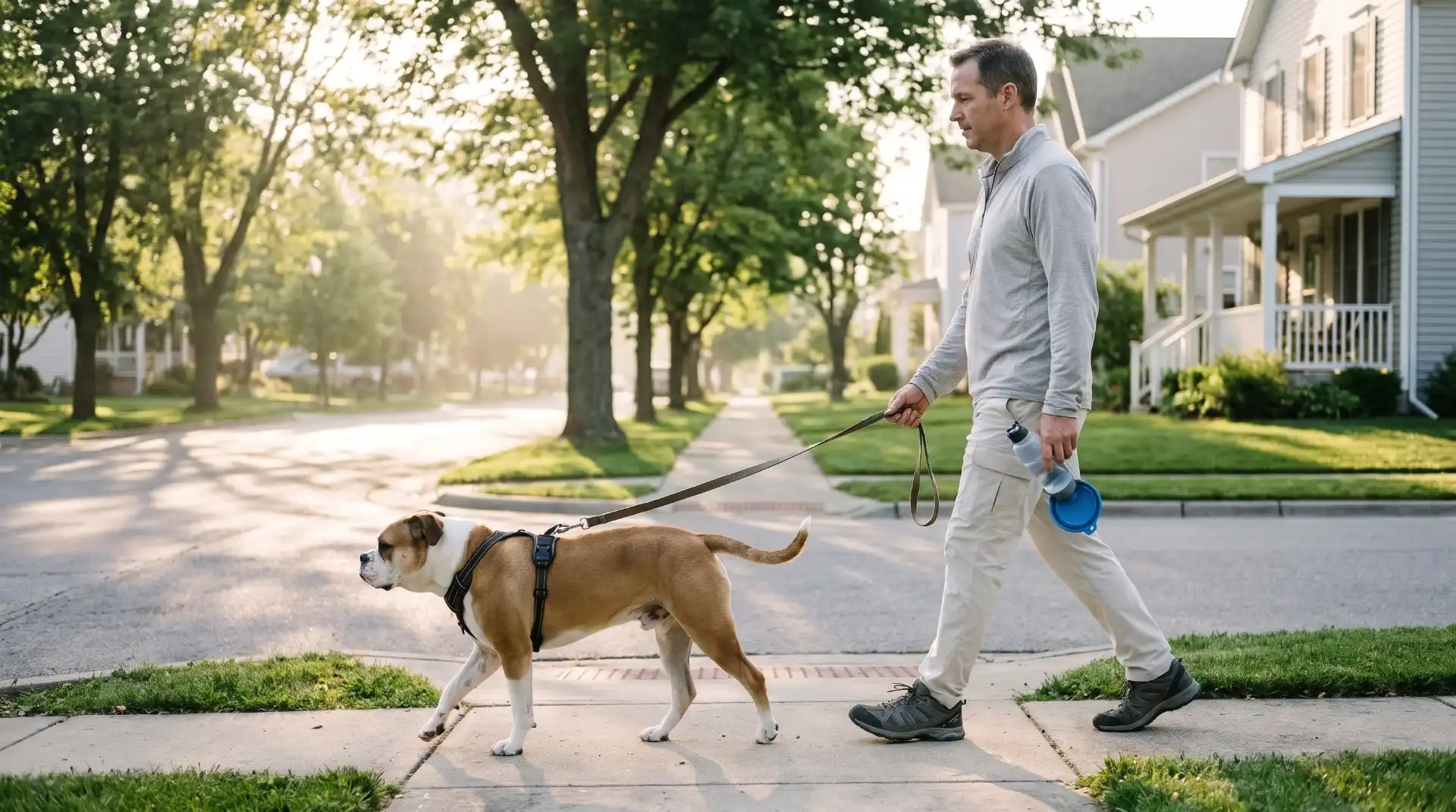
Schedule walks for the coolest practical part of the day, often early morning. Late evening may also be suitable, but pavement can retain heat long after sunset.
Check the local forecast before leaving home. Consider humidity, sunlight, wind, and ground temperature rather than relying on the air temperature alone.
Keep walks short and relaxed during hot weather. Let your dog sniff and explore at a comfortable pace instead of encouraging brisk walking or running. Choose a shaded route that allows you to return home quickly if your dog begins to struggle.
If the weather is unusually hot or humid, skip the walk and offer indoor enrichment instead. Missing a strenuous outdoor workout is much safer than pushing a dog beyond its limits.
Check Pavement Before Walking
Asphalt, concrete, artificial turf, and dark paving materials can become much hotter than the surrounding air. Walking on these surfaces can burn paw pads while also exposing the dog to additional heat.
Place the back of your hand against the walking surface for several seconds as a basic precaution. If it is too hot to hold your hand there comfortably, choose another route. This test is not a guarantee that the surface is safe, so use judgment and avoid prolonged exposure.
Grass and shaded paths may be cooler, but they should still be checked. Artificial turf can become particularly hot in direct sunlight, and shaded surfaces can warm up as the day progresses.
Dog boots may offer some protection from hot surfaces when properly fitted, but they do not prevent heatstroke. A dog wearing boots can still overheat, so limiting outdoor exposure remains essential.
Replace Outdoor Play With Indoor Enrichment
Continental Bulldogs often enjoy games such as fetch, tug, scent work, and obedience training. During extreme heat, move suitable activities indoors and avoid repeated sprints, rough play, or extended sessions that cause heavy panting.
Try hiding a few pieces of your dog’s regular kibble around a safe room and encouraging it to search. You can also practice simple commands, use a food puzzle, or teach a new low-impact behavior.
Keep sessions short and give your dog opportunities to rest. An exciting game can still raise body temperature, even when it takes place indoors, so choose a cool room and stop if your dog becomes unusually breathless.
Indoor activities are especially useful for owners who live in apartments or neighborhoods where outdoor shade is limited. They help maintain a predictable routine without requiring exposure to hot pavement or direct sunlight.
Know When to Stop Immediately
Stop exercising if your Continental Bulldog develops unusually heavy panting, excessive drooling, weakness, unsteady movement, or difficulty recovering after mild activity. Do not encourage the dog to finish the planned route.
Move to a cool location and offer water if your dog is alert and able to drink normally. If signs are severe, worsening, or suggest heatstroke, contact an emergency veterinarian immediately.
For more guidance on the relationship between breathing and hot weather, see How to Keep Your Continental Bulldog Safe in Hot Weather. Use the advice alongside your veterinarian’s recommendations for your individual dog.
Recognizing Heat Stress and Heatstroke
Heatstroke is a medical emergency that can cause damage to the brain, kidneys, liver, digestive system, and other organs. Serious complications may develop even after a dog appears to improve.
The key is to recognize unusual behavior early and respond without delay.
Early Signs of Overheating
A Continental Bulldog experiencing heat stress may pant more heavily than usual, drool excessively, become restless, seek cool surfaces, or slow down during a walk. Some dogs appear anxious, while others become unusually quiet or weak.
Breathing may sound louder or more labored than normal. Your dog may repeatedly change position, struggle to settle, or seem reluctant to continue an activity that it usually enjoys.
Panting alone does not always indicate an emergency, particularly after ordinary exercise. What matters is the intensity, the surrounding conditions, and whether your dog recovers normally after resting in a cool environment.
However, do not wait for multiple symptoms to appear. If your dog seems to be overheating, stop the activity and begin moving it to a cooler location.
Serious Warning Signs
Seek emergency veterinary care if your dog develops severe or labored breathing, weakness, staggering, confusion, collapse, seizures, or loss of consciousness. Vomiting or diarrhea accompanied by heavy panting and weakness is also concerning.
The gums and tongue may become unusually red, pale, gray, or bluish. These changes can indicate a serious problem, but normal-looking gums do not rule out heatstroke.
Do not wait for your dog to reach a particular body temperature before contacting a veterinarian. If the dog is showing serious symptoms after heat exposure, immediate action is more important than trying to confirm the diagnosis at home.
What to Do if You Suspect Heatstroke
First, stop all activity and move your Continental Bulldog out of direct sunlight into a cooler, ventilated area. Begin gently cooling the dog with cool or tepid water applied to the body, particularly the neck, underside, and trunk. Air movement can help evaporation.
Avoid ice baths and direct application of ice. Do not wrap the dog tightly in wet towels that may warm up and trap heat against the body.
If your dog is fully alert and swallowing normally, you may offer small amounts of water. Do not force it to drink, and never pour water into the mouth of a weak, confused, unconscious, or struggling dog.
Call an emergency veterinary clinic while cooling your dog and follow its instructions. Arrange transportation promptly, using air conditioning or another effective way to keep the vehicle cool.
Even if the dog appears to recover, veterinary assessment is important because heatstroke can cause delayed organ damage. The veterinarian may recommend blood tests, intravenous fluids, observation, or other treatment depending on the dog’s condition.
Protect Your Bulldog During Power Outages
Air conditioning can be essential during prolonged heat waves. Unfortunately, severe weather or increased electricity demand can sometimes interrupt power, leaving a home much warmer than expected.
Preparing for this possibility before the weather becomes dangerous can help protect your Continental Bulldog.
Assemble an Emergency Pet Kit
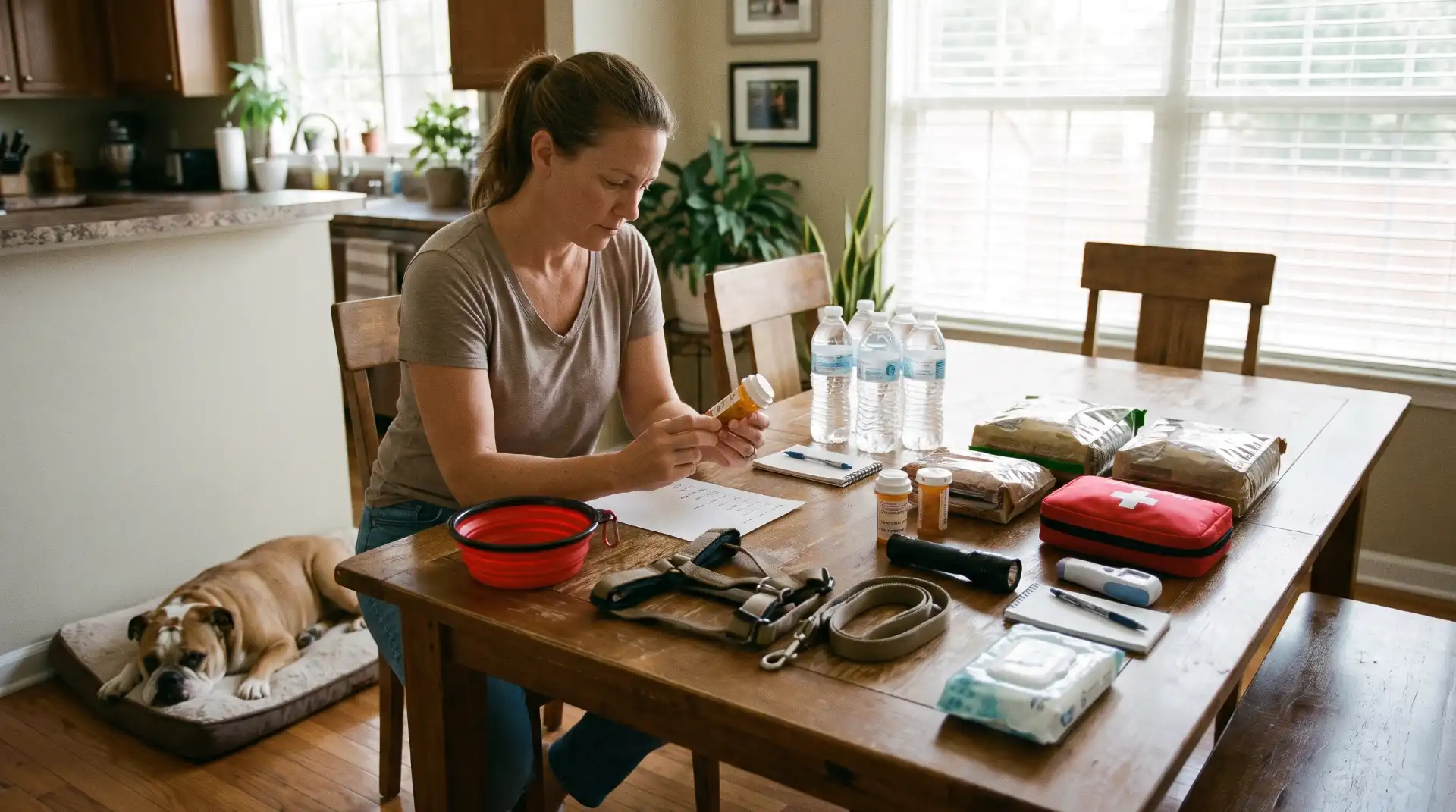
Keep essential supplies in a location that is easy to access. Include a leash, harness, portable water bowl, drinking water, your dog’s usual food, medications, veterinary contact details, and copies of important medical records.
A battery-powered thermometer can help you monitor indoor conditions during an outage. Keep a charged phone, portable power bank, and flashlight available so that you can contact veterinary clinics and check local emergency information.
Store enough food, water, and medication for several days, adjusting the quantity to your dog’s needs and official emergency recommendations. Rotate supplies before they expire, and make sure you can transport everything quickly if you need to leave home.
Keep your dog’s identification tags current and maintain a recent photograph. These simple steps can help if you become separated during an evacuation.
Identify a Backup Cooling Location
Before a heat wave arrives, identify a trusted friend or family member who could accommodate your dog in an air-conditioned home. You can also research pet-friendly hotels and boarding facilities, confirming their current policies and emergency arrangements.
Do not assume that every hotel, shelter, or evacuation center accepts pets. Check requirements in advance and keep vaccination and identification records accessible.
If local officials issue an evacuation order, follow it promptly. Bring your dog rather than leaving it behind in a home that may become unsafe.
Respond Quickly if Your Home Becomes Too Hot
If the power fails, close blinds to reduce solar heating, limit activity, provide water, and move your dog to the coolest safe room. A battery-powered fan may improve air movement, but it may not provide sufficient protection when the surrounding air is extremely hot.
If the home continues warming and you cannot maintain a safe environment, relocate your dog to a properly cooled location. Do not wait for signs of heatstroke before making that decision.
Puppies, senior dogs, overweight dogs, and dogs with respiratory or cardiovascular conditions may need to leave earlier than healthy adults.
Nutrition, Weight Management, and Grooming
Daily care plays an important role in your dog’s ability to tolerate warm weather. Maintaining a healthy body condition, feeding an appropriate diet, and keeping the skin and paws in good condition all contribute to overall well-being.
Maintain a Healthy Body Weight
Excess body fat can increase the demands placed on a dog’s body during movement and make exercise more difficult. An overweight Continental Bulldog may tire sooner and experience additional strain on its respiratory and cardiovascular systems.
Ask your veterinarian to assess your dog’s body condition and recommend a suitable weight range. You should generally be able to feel the ribs without pressing through a thick layer of fat, and the dog should have a visible waist when viewed from above.
Measure food portions rather than repeatedly filling the bowl whenever your dog appears hungry. Account for training treats and snacks when calculating daily food intake.
If weight loss is needed, use a gradual feeding and activity plan approved by your veterinarian. Do not suddenly restrict food or increase exercise during extreme heat in an attempt to make your dog lose weight quickly.
Keep Meals Balanced and Food Fresh
Extreme heat is not normally a reason to switch a healthy dog to an entirely different diet. Continue providing nutritionally complete food appropriate for your dog’s age, size, activity level, and medical needs.
Some dogs prefer smaller meals during particularly hot weather, but changes in appetite can also indicate illness. If your Continental Bulldog suddenly refuses food, becomes lethargic, or develops vomiting or diarrhea, contact your veterinarian rather than assuming the weather is responsible.
Wet food should not be left sitting in the heat for extended periods. Follow the manufacturer’s storage instructions, refrigerate leftovers as directed, and clean bowls after meals to reduce the risk of spoilage.
Avoid relying on supplements marketed as heat protection. No supplement replaces access to fresh water, a cool environment, appropriate exercise, and emergency treatment when necessary.
Care for Skin Folds, Ears, and Paws
Inspect your dog’s skin folds regularly for redness, irritation, odor, or trapped debris. Clean them gently with a veterinarian-approved product when needed and dry the area thoroughly.
Check the ears for redness, discharge, or unusual odor. Do not place cleaning products deep into the ear canal unless your veterinarian has instructed you to do so.
After outdoor walks, inspect the paws for redness, blisters, cuts, and signs of burns. Rinse away dirt when necessary and dry between the toes. If your dog begins limping or persistently licking a paw after walking on hot pavement, arrange a veterinary assessment.
Do not shave your Continental Bulldog simply because the weather is hot. Ask your veterinarian or a qualified groomer about appropriate coat care for your dog’s individual needs.
Extra Precautions for Puppies, Senior Dogs, and Dogs With Health Conditions
Every Continental Bulldog has different needs. Age, body condition, respiratory function, medications, and previous medical problems can influence how a dog responds to hot weather.
Protect Puppies From Overexertion
Puppies can become absorbed in play and fail to stop when they are tired. Keep outdoor sessions brief during hot weather and supervise them closely.
Provide frequent opportunities to rest and drink. Never leave a puppy unattended in a yard, even if shade is available.
Puppies may also be more vulnerable when they develop vomiting, diarrhea, or other illnesses that affect fluid balance. Contact your veterinarian if a puppy becomes unusually quiet, refuses water, or develops abnormal breathing.
Give Senior Dogs More Time to Rest
Older dogs may have arthritis, heart disease, kidney problems, or reduced exercise tolerance. Some have difficulty getting up or moving quickly to a cooler area.
Keep water within easy reach and provide comfortable bedding with nonslip flooring. Avoid making your dog climb multiple flights of stairs to access water or a cool room.
Use short, gentle walks during suitable weather and allow plenty of recovery time. A sudden reduction in exercise tolerance deserves veterinary attention rather than being dismissed as a normal part of aging.
Follow an Individual Plan for Respiratory Problems
Some Continental Bulldogs have airway abnormalities despite the breed’s more moderate structure. Persistent noisy breathing, frequent respiratory distress, fainting, or an inability to recover normally after mild activity should be assessed by a veterinarian.
If your dog has a diagnosed airway disorder, ask your veterinarian to establish a specific hot-weather plan. This may include exercise restrictions, weight management, medication guidance, and clear instructions about when to seek emergency care.
Do not use another dog’s activity tolerance as a benchmark. A healthy adult may tolerate a short morning walk that would be inappropriate for a dog with compromised breathing.
Wildfire Smoke, Dust, and Poor Air Quality
Extreme heat is not the only environmental concern that may affect dogs during dry weather. Depending on local conditions, some communities may experience wildfire smoke, airborne dust, or other air-quality problems. These hazards are not inevitable consequences of El Niño, so owners should follow local alerts rather than assume their area will be affected.
Continental Bulldogs with sensitive airways may be especially uncomfortable when exposed to smoke and airborne irritants. Coughing, wheezing, unusual breathing effort, and persistent eye irritation should not be ignored.
When authorities issue air-quality warnings, limit outdoor activity and keep your dog indoors as much as practical. Use local air-quality information to decide whether walks should be shortened or postponed. During heavy smoke, even a short outdoor outing can expose a dog to irritating particles.
Provide brief bathroom breaks when necessary, avoiding visible smoke and ash whenever possible. Do not allow your dog to sniff or eat ash, burned vegetation, or debris from affected areas.
If smoke enters your home, follow local public-health guidance for reducing indoor exposure. A properly sized and maintained air cleaner may help improve indoor air quality, but no household device should be assumed to make every environment safe during severe smoke events.
Seek veterinary advice if your dog develops persistent coughing, eye irritation, or breathing changes after exposure. Severe respiratory difficulty requires emergency veterinary care.
Traveling With Your Continental Bulldog During a Heat Wave
Travel requires additional planning because your dog may encounter unfamiliar temperatures, limited shade, long periods in a vehicle, and changes in access to water.
Plan Road Trips Around Cooler Conditions
Whenever practical, travel during cooler hours and use a vehicle with reliable air conditioning. Bring drinking water, a portable bowl, your dog’s usual food, medications, identification, and veterinary records.
Plan stops that allow your dog to drink and take a brief bathroom break in a safe location. Choose shaded areas where possible, but remember that a shaded parking lot can still be hot.
Never leave your Continental Bulldog alone in a parked vehicle. If you need to enter a business that does not allow dogs, arrange for another responsible adult to remain with the dog in a properly cooled environment or leave the dog at home.
Check the Destination Before Leaving
A destination that appears suitable on a map may offer little shade, hot pavement, or few places where dogs can rest indoors. Before departing, confirm that your accommodation accepts dogs and has a safe indoor environment.
If you are planning a hiking trip, beach visit, outdoor festival, or camping weekend, consider whether the activity can be shortened or changed if conditions become hot. Your dog does not need to participate in every activity to enjoy a family vacation.
When a heat advisory is in effect, postponing an outdoor excursion may be the safest option.
Avoid Sudden Increases in Activity
Dogs may become excited in new surroundings and try to explore more than they normally would. Keep your Continental Bulldog on a leash or harness and offer frequent rest periods.
Do not let enthusiasm override the weather. If your dog begins panting heavily or appears uncomfortable, stop the activity and move to a cooler location.
A Practical Daily Heat-Safety Routine
A consistent schedule helps protect your Continental Bulldog without eliminating all exercise and enrichment. Adapt the following routine to your local forecast and your dog’s health.
Morning: Check the weather, humidity, and any heat or air-quality alerts. If conditions are suitable, take a short, relaxed walk before temperatures rise. Carry water, avoid hot surfaces, and return home if your dog shows signs of discomfort.
Midday: Prioritize indoor comfort. Keep the dog in a cool room, refill water bowls, and offer a food puzzle or brief training session. Avoid strenuous exercise and check that the indoor environment is not becoming too warm.
Evening: Reassess the weather before going outside. Do not assume sunset means pavement has cooled sufficiently. If conditions remain hot or humid, continue indoor enrichment and postpone outdoor exercise.
Before bedtime: Check that your dog has fresh water and a comfortable resting area. Observe breathing and behavior. If your dog is unusually restless, panting while resting, or unable to settle, investigate the cause instead of assuming it is normal.
You can also maintain a simple record of your dog’s usual activity, drinking habits, and breathing at rest. This helps you recognize meaningful changes and gives your veterinarian useful information if a concern develops.
If your Continental Bulldog snores or makes unusual breathing sounds, learn to recognize its normal pattern. Your site’s guide, Continental Bulldog Snoring: When Breathing Is a Concern, can help readers understand why changes in breathing deserve attention, particularly during hot weather. A change in breathing should be evaluated based on the dog’s symptoms, not dismissed simply because the breed may make some noise while sleeping.
Frequently Asked Questions About Continental Bulldogs and Extreme Heat
What temperature is too hot for a Continental Bulldog?
There is no single outdoor temperature that is safe for every Continental Bulldog. Humidity, direct sunlight, activity level, ground temperature, body weight, age, and respiratory health all affect heat tolerance.
When conditions are hot, shorten outdoor activities and prioritize a cool indoor environment. During severe heat advisories or unusually hot and humid weather, avoid nonessential exercise. Ask your veterinarian for advice tailored to your dog’s health and physical condition.
Can Continental Bulldogs sleep outside during a heat wave?
Keeping your Continental Bulldog indoors during extreme heat is generally the safer option. Shade alone does not guarantee a comfortable temperature, and outdoor conditions can change throughout the day and night.
If your dog normally sleeps outdoors, arrange a transition to a cool indoor sleeping area before a heat wave arrives. Provide comfortable bedding, fresh water, and appropriate ventilation.
Are cooling mats and cooling vests safe?
Cooling mats and vests may help some dogs feel more comfortable, but effectiveness depends on the product and environmental conditions. Follow the manufacturer’s instructions, check for damage, and make sure your dog cannot chew and swallow parts of the product.
These accessories do not make dangerous outdoor conditions safe. They should supplement, not replace, appropriate indoor cooling, reduced activity, and fresh water.
Should I walk my Continental Bulldog during El Niño?
You can continue walking when local conditions are suitable and your veterinarian has not advised exercise restrictions. El Niño does not mean every day will be dangerously hot.
Check the forecast, humidity, air quality, and ground temperature before each outing. Choose cooler hours, shorten walks as necessary, and replace outdoor exercise with indoor activities when conditions are unsafe.
How can I tell whether my dog is dehydrated?
Possible signs include unusual tiredness, dry or tacky gums, weakness, and changes in drinking or urination. These signs are not specific to dehydration, so do not rely on them to diagnose a problem at home.
Contact your veterinarian if your dog refuses water, vomits repeatedly, develops diarrhea, or becomes unusually lethargic. Severe panting, collapse, confusion, and breathing difficulty require emergency assessment.
Does El Niño mean my area will experience drought?
Not necessarily. El Niño influences seasonal climate patterns, but local effects vary and are not guaranteed. Follow local forecasts and official alerts instead of assuming that national or global predictions describe conditions in your neighborhood.
Should I schedule a veterinary appointment before summer?
A preventive appointment is especially valuable if your Continental Bulldog has breathing difficulties, excess weight, heart disease, kidney problems, previous heat-related illness, or reduced exercise tolerance.
Your veterinarian can review medications, assess body condition, discuss safe activity levels, and explain which symptoms require urgent care. A written plan can be particularly useful for owners of dogs with known respiratory limitations.
What is the most important thing to do if my dog overheats?
Stop the activity, move your dog to a cooler location, begin appropriate cooling with cool or tepid water, and contact an emergency veterinarian if heatstroke is suspected. Do not delay veterinary care to see whether the dog improves on its own.
The American Veterinary Medical Association’s Warm Weather Pet Safety Guide provides additional advice on preventing heat stress, avoiding hot vehicles, and recognizing signs that require emergency attention.
Final Thoughts: Prepare Early and Put Your Continental Bulldog’s Safety First
Protecting your Continental Bulldog from extreme heat during the 2026–2027 El Niño period is primarily about preparation, observation, and adapting everyday habits to local conditions. El Niño does not guarantee that every part of the United States will experience extreme heat, but being ready for heat waves and related disruptions is a sensible part of responsible dog ownership.
Keep your dog in a cool indoor environment during dangerous weather, provide constant access to fresh water, schedule walks for cooler hours, and replace strenuous outdoor play with indoor enrichment. Maintain a healthy body condition, check paws and skin regularly, and pay particular attention to puppies, senior dogs, and individuals with breathing or other medical conditions.
Prepare for power outages before they happen. Know where you can take your dog if your home becomes too hot, keep essential supplies accessible, and make sure you can contact an emergency veterinary clinic when needed.
Most importantly, learn the signs of heat stress and treat suspected heatstroke as an emergency. Begin appropriate cooling, contact a veterinarian, and do not delay professional care because your dog appears to be recovering.
Continental Bulldogs depend on their owners to recognize environmental risks and respond appropriately. With a reliable heat-safety routine, a well-prepared home, and regular veterinary care, you can help your dog remain safer and more comfortable throughout the hottest periods of the year.