
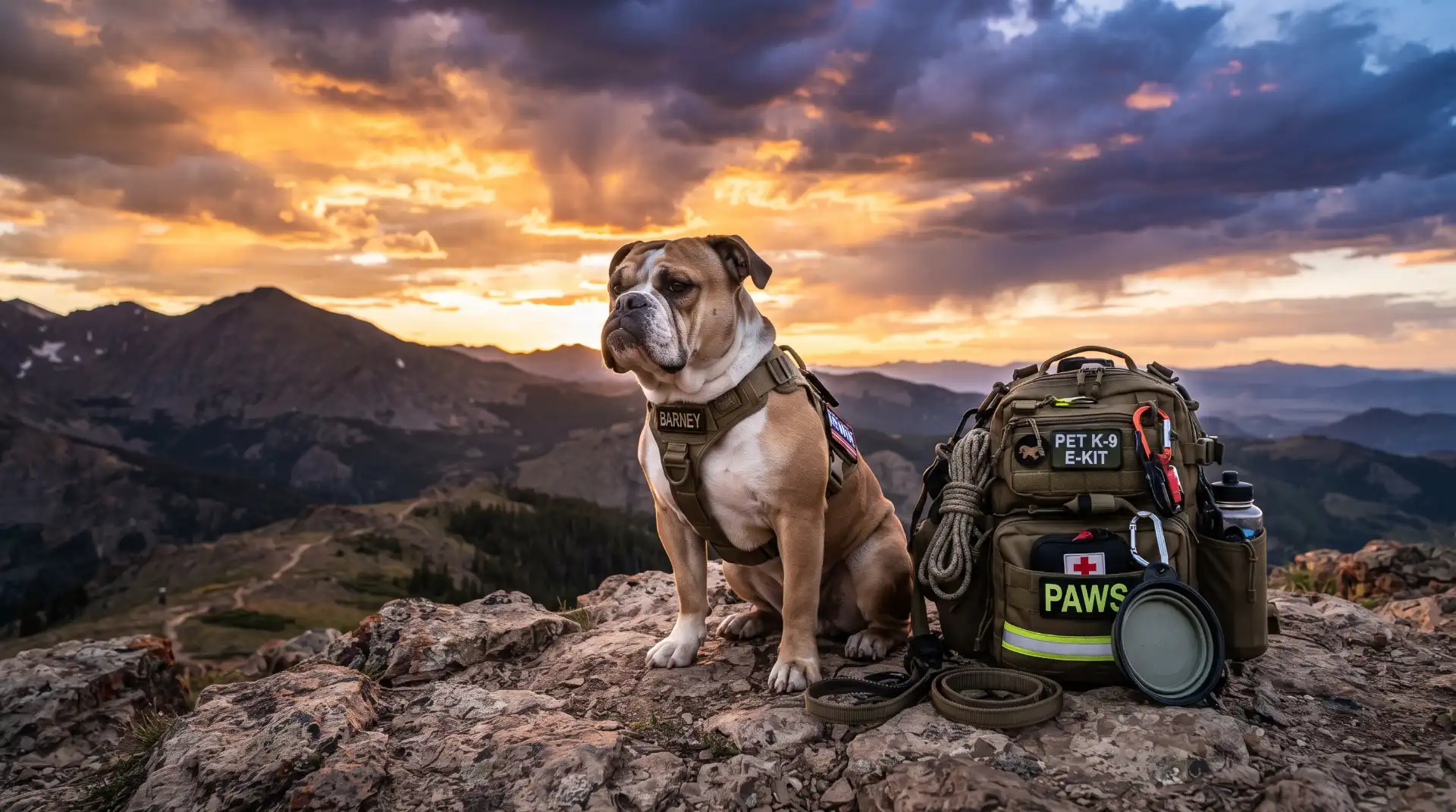
Disaster planning is a fundamental responsibility for every pet owner, but caring for a Continental Bulldog during a crisis demands a highly tailored approach. Known affectionately as the “Conti,” this athletic, muscular, and loyal Swiss breed possesses a unique combination of physical traits and temperament that alters how you must prepare for natural hazards. While Continental Bulldogs were intentionally bred to overcome the severe physical limitations and breathing hardships of traditional English Bulldogs, they retain a moderately brachycephalic head structure, short fur, and a dense, heavy body mass. These physiological traits make them particularly vulnerable to airborne hazardous pollutants during wildfires and heat-induced stress during power outages caused by severe storms.
When catastrophic events strike—whether a fast-moving wildfire sweeping across dry western hillsides or a severe convective storm knocking out local power grids in the Midwest—your response time is measured in minutes. Understanding how your Continental Bulldog’s body responds to stress, high temperatures, bad air quality, and displaced environments allows you to create a proactive evacuation and shelter-in-place strategy. By building a customized emergency blueprint, you safeguard your companion against environmental trauma, toxic smoke inhalation, and panic.
Decoding the Continental Bulldog’s Unique Vulnerabilities in Disasters
To safeguard your Continental Bulldog effectively during an emergency, you must first appreciate the physical and behavioral attributes that distinguish this breed from others. Developed in Switzerland by crossing the English Bulldog with the Olde English Bulldogge, the Continental Bulldog is a medium-sized, compact powerhouse weighing anywhere between forty-five and seventy pounds. Although their nostrils are wider and their muzzles longer than their ancestral stock, they remain shorter-muzzled than mesocephalic breeds like German Shepherds or Labrador Retrievers. This anatomical reality directly impacts their thermal regulation and pulmonary efficiency during high-stress crises.
Dogs cool themselves primarily through panting, relying on air movement over the moist surfaces of their nasal passages and tongue to evaporate moisture and cool down blood vessels. During a wildfire, particulate matter measuring 2.5 micrometers or smaller (PM2.5) floods the atmosphere. When a Continental Bulldog breathes heavily in a smoke-choked environment, their slightly shortened upper airway becomes inflamed faster than a long-snouted dog’s airway. Swelling in the soft palate or larynx further restricts airflow, compounding physical exhaustion and triggering elevated core body temperatures.
Beyond respiratory vulnerabilities, the Continental Bulldog’s dense body composition plays a major role in emergency management. High muscle mass generates substantial metabolic heat during physical movement. A panicking Continental Bulldog running through an evacuation scene can quickly elevate their core temperature into dangerous hyperthermic territory, even in moderate ambient weather. Furthermore, their solid build means they cannot be easily lifted or carried for miles over debris by a single person without specialized gear or transport equipment.
Behaviorally, Contis are famous for their confident, affectionate, and sometimes stubborn nature. They feed off human emotional cues and environmental stress. If an owner radiates panic during a storm or sudden evacuation order, a Continental Bulldog may dig in their heels, resist moving into a travel crate, or display anxious territorial reactivity. Recognizing these breed-specific dynamics allows you to build an emergency strategy that accounts for physical protection, stress reduction, and structured physical transport.
Navigating Wildfire Hazards: Respiratory Protection, Air Quality, and Ash Mitigation
Wildfires present a dual threat to pet owners: the immediate danger of fast-moving radiant heat and flames, and the silent, far-reaching danger of toxic smoke plumes. A wildfire burning fifty miles away can saturate your local neighborhood with carbon monoxide, volatile organic compounds (VOCs), and ultra-fine ash particulates. For a Continental Bulldog, exposure to this atmosphere can lead to acute bronchitis, corneal ulcers, and severe respiratory distress.
Monitoring air quality metrics becomes a daily imperative during fire season across North America. The Environmental Protection Agency’s Air Quality Index (AQI) provides actionable guidelines for dog owners. Whenever the local AQI moves into the “Unhealthy for Sensitive Groups” tier (orange, 101–150) or higher, your Continental Bulldog must be treated as a high-risk individual. Bathroom breaks should be shortened to brief three-minute outings on a lead, strictly avoiding vigorous physical exertion or prolonged yard play.
Creating a safe indoor sanctuary during air pollution events requires sealing house openings and running high-efficiency particulate air (HEPA) purification systems. Keep all windows and doors securely closed, and set central HVAC units to recirculate air rather than pulling in fresh outside air. Placing a dedicated HEPA air filter in the room where your Continental Bulldog sleeps ensures that their resting hours are spent breathing clean, scrubbed air.
When ash settles on outdoor ground surfaces, it poses a direct hazard to your dog’s skin, eyes, and digestive system. Alkaline wood ash and burnt synthetic building materials can cause chemical burns on sensitive paw pads and facial skin folds. Every time your dog steps outside during ash fall, wipe down their paws, underside, muzzle, and facial wrinkles with a damp cloth before letting them back inside. This prevents your dog from ingesting toxic particulate matter while grooming their coat later. If your dog exhibits persistent eye watering, squinting, coughing, or noisy breathing, seek immediate advice from a veterinary hospital.
Evacuation triggers must be established long before flames are visible from your doorstep. Due to traffic gridlock and rapidly shifting wind conditions, waiting for a mandatory evacuation order places brachycephalic dogs in extreme jeopardy. Heat radiating from nearby fires combined with vehicle gridlock without air conditioning can quickly prove fatal. Depart early during a voluntary evacuation warning stage, allowing you to move calmly, secure your pet safely in their travel harness, and navigate clear roadways.
Storm Readiness: Managing Hurricanes, Tornadoes, and Flash Floods
While wildfires strike with intense atmospheric heat and smoke, severe storms bring catastrophic wind force, sudden flooding, pressure drops, and electrical disruptions. Whether facing an Atlantic hurricane season, a severe thunderstorm outbreak in the Plains, or atmospheric rivers along the West Coast, storm preparedness demands structural security and mental comfort for your dog.
Barometric pressure changes associated with developing supercells and hurricanes are detected by dogs long before humans notice clouds darkening. Your Continental Bulldog may show subtle stress signals hours before a storm hits, including pacing, clinging to family members, lip licking, or seeking tight enclosed spaces under furniture. For a dog that weighs over fifty pounds, storm phobia can manifest as destructive chewing, door scratching, or escape attempts if panic sets in.
Designating a safe room inside your home is the foundational step of storm preparation. This room should ideally be an interior room on the lowest level of your dwelling, free of windows, exterior walls, and glass panels. An interior bathroom, large walk-in closet, or reinforced basement space serves this purpose best. Equip this safe zone with your dog’s heavy-duty wire or plastic shipping crate, lined with familiar blankets that carry your scent. Covering the crate with a dark blanket helps mute terrifying lightning flashes and dampens thunder claps.
Floodwaters present severe chemical and biological contamination risks following major rain events. Storm runoff carries industrial chemicals, sewage overflow, pesticide residues, and dangerous bacteria such as Leptospira. Never allow your Continental Bulldog to wade or swim through standing floodwater. A dog drinking from contaminated puddles can contract waterborne illnesses or suffer severe gastrointestinal distress. If your home is prone to rapid flash flooding, invest in a heavy-duty flotation vest specifically sized for broad-chested dogs to ensure buoyancy during emergency evacuations through deep water.
After a major storm passes, the immediate outdoor environment remains hazardous. Downed power lines, shattered glass, displaced wildlife, and exposed nails transform your familiar backyard into an obstacle course. Keep your dog securely on a short, non-retractable leash during every post-storm bathroom outing until you have thoroughly inspected the entire property.
Construction of the Continental Bulldog Emergency “Go-Bag” and Survival Supplies
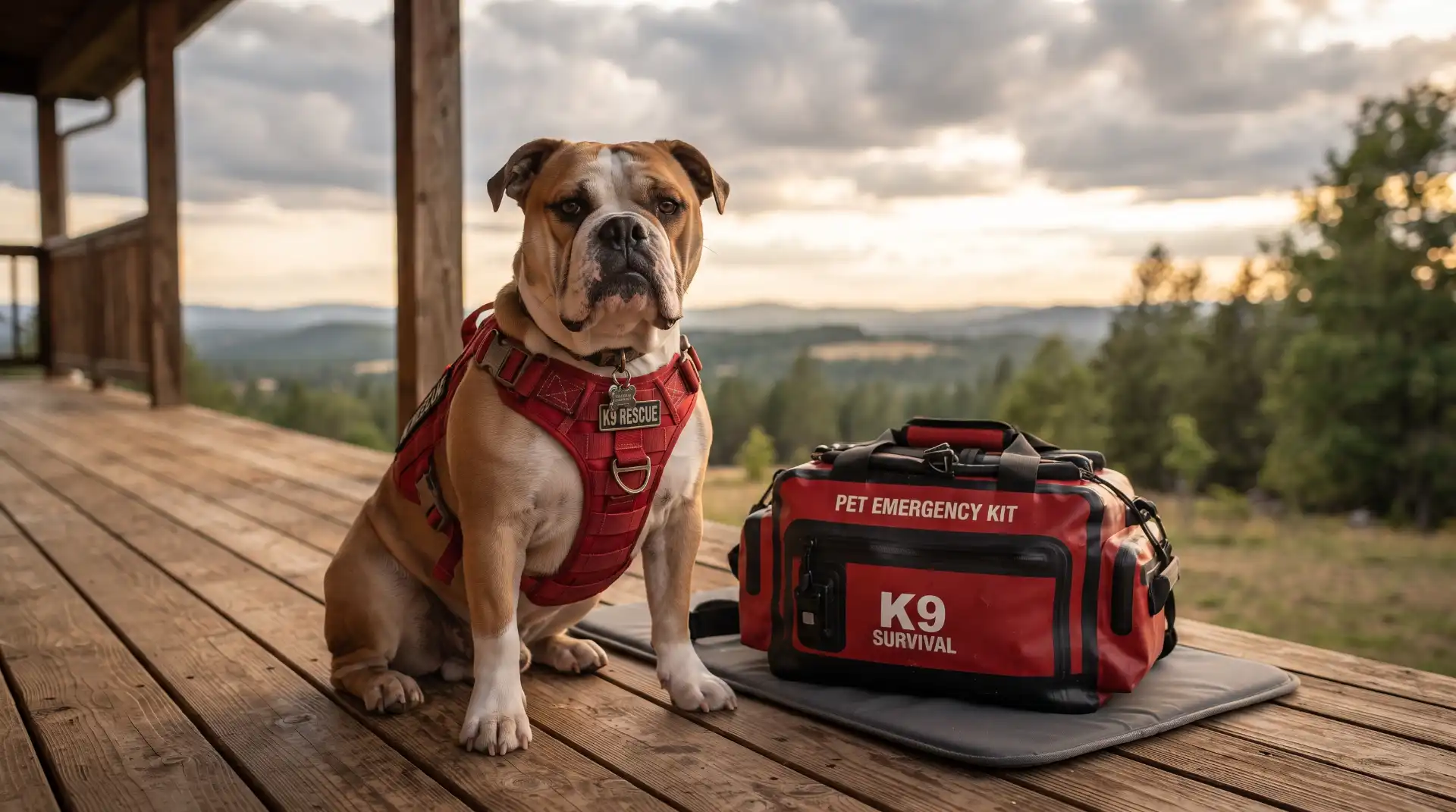
A standard off-the-shelf pet emergency kit is rarely sufficient for a broad-chested, powerful dog like the Continental Bulldog. Customizing a durable, waterproof disaster go-bag ensures you have the precise supplies required to sustain your dog for at least seven to fourteen days during a major displacement event.
Food and water provisions must be kept fresh, sealed, and easily accessible. Continental Bulldogs can be prone to digestive sensitivities or food allergies, making sudden diet switches during high-stress evacuations a recipe for severe diarrhea and dehydration. Pack a two-week supply of your dog’s regular dry or canned diet divided into airtight, waterproof bags. Calculate drinking water needs based on your dog’s weight, allowing at least one gallon of clean potable water per day for drinking and basic sanitation. Pack two collapsible stainless steel or food-grade silicone bowls that are wide enough to accommodate your Conti’s broad muzzle comfortably.
Medical preparedness requires both standard canine first-aid supplies and tailored care items. Include a 30-day reserve of any prescription medications your dog takes regularly. Because bulldogs possess deep skin folds around their muzzle and face, damp evacuation environments quickly foster yeast and bacterial infections. Pack a container of medicated antiseptic wipes to clean facial wrinkles, ears, and paw pads daily.
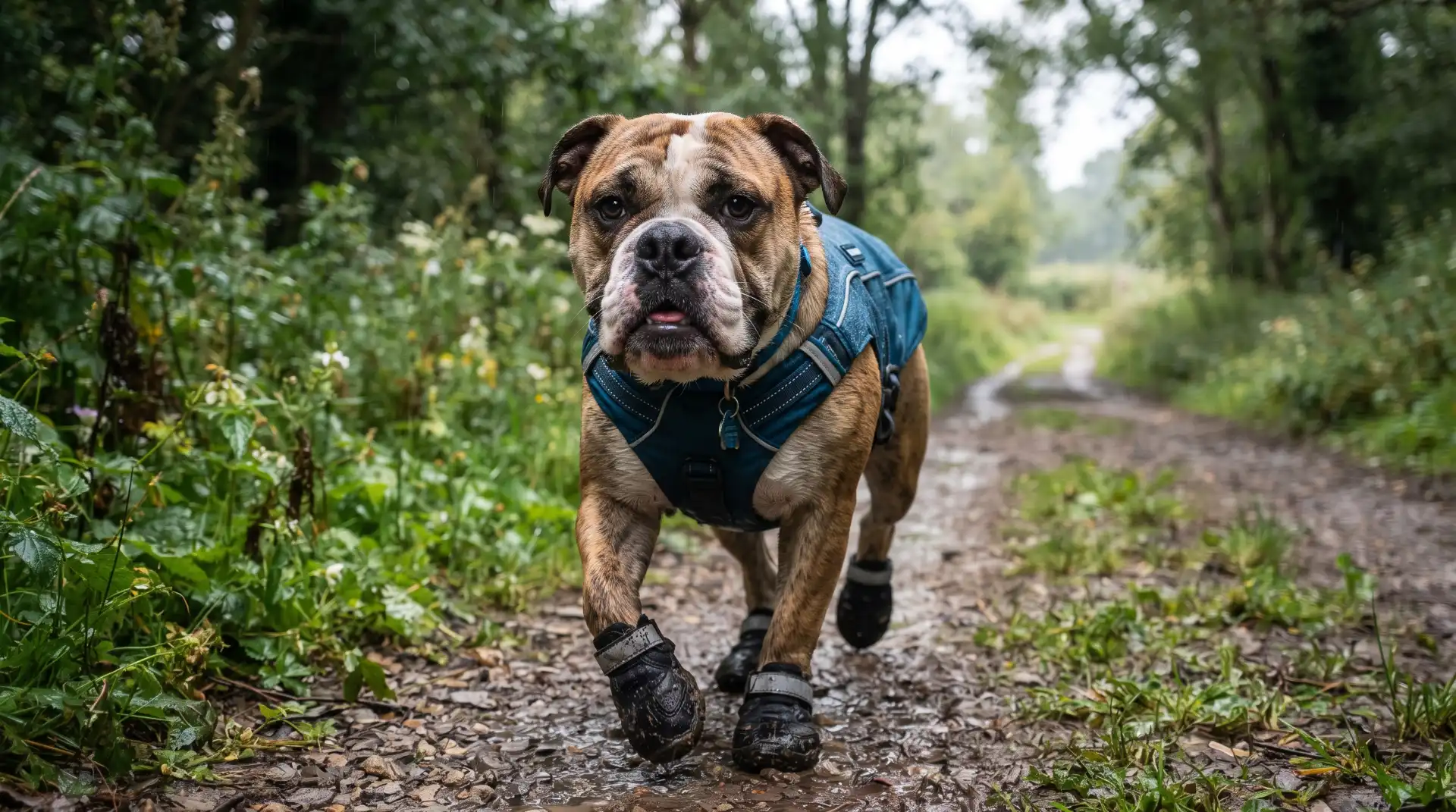
Your canine first-aid kit should include non-stick sterile gauze pads, self-adhering Vet Wrap bandages, blunt-nosed bandage scissors, stainless steel tweezers, saline eye wash, pet-safe antiseptic spray, styptic powder, 3% hydrogen peroxide, canine-safe antihistamines with clear dosage notes from your vet, and canine booties made of rubber or leather to protect paw pads from sharp post-storm debris or hot asphalt.
During high-stress evacuations, dogs can pull with incredible leverage if startled by loud explosions, sirens, or falling trees. A standard collar can slip off a thick bulldog neck or put excessive pressure on the trachea. Store a heavy-duty, Y-shaped front-clip harness made of military-grade nylon webbing, paired with a solid six-foot non-retractable leash. Keep a secondary slip-lead in the kit for immediate backup control.
Always pack a well-fitted basket muzzle. Even the gentlest Continental Bulldog may snap or bite out of instinct if injured, terrified, or undergoing emergency treatment by unfamiliar rescue personnel. Conditioning your dog to wear a basket muzzle using positive reinforcement training during normal times eliminates extra distress if a muzzle becomes necessary in an emergency.
To learn more about federal pet disaster recommendations and official guidelines, consult the comprehensive disaster planning resources available at Ready.gov Pet Preparedness.
Identification, Microchipping, and Legal Documentation
When disasters hit populated areas, thousands of pets become lost, separated, or displaced. Ensuring that your Continental Bulldog carries unshakeable visual, digital, and legal identification is your primary defense against permanent loss.
Microchipping is an indispensable baseline requirement. A tiny transponder inserted beneath the skin between your dog’s shoulder blades provides a permanent identifier that cannot snap off like a collar. However, a microchip is only as effective as the data linked to it. Keep your contact information up to date in the national registry database (such as AKC Reunite or PetLink). Always include an out-of-area secondary contact person, such as a relative living in another state, who will remain reachable if local cell towers collapse in your region.
Complement digital microchips with clear visual tags on your dog’s harness and collar. Stainless steel tags should state your dog’s name, your phone number, and a secondary phone number. If your dog has medical conditions like extreme heat sensitivity or food allergies, engrave those details directly onto a medical alert tag.
Keep a dedicated, heavy-duty waterproof document sleeve inside your emergency go-bag. This sleeve must hold physical paper copies of essential records, including proof of ownership (registration certificates or purchase receipts), official rabies vaccination certificates and immunization records required for boarding facilities, recent clear color photographs showing your dog from multiple angles along with photos of you posing alongside your dog, and written care instructions covering daily feeding amounts, behavioral quirks, and veterinary contact details.
Digitize all these records by storing scanned PDF copies on a password-protected flash drive in your go-bag and uploaded to a secure cloud account accessible from your mobile phone.
Evacuation Strategies and Safe Transport Operations
When an evacuation order is issued, speed, order, and physical control determine your success. Transporting a strong, heavy dog under chaotic conditions requires specialized gear and advance preparation.
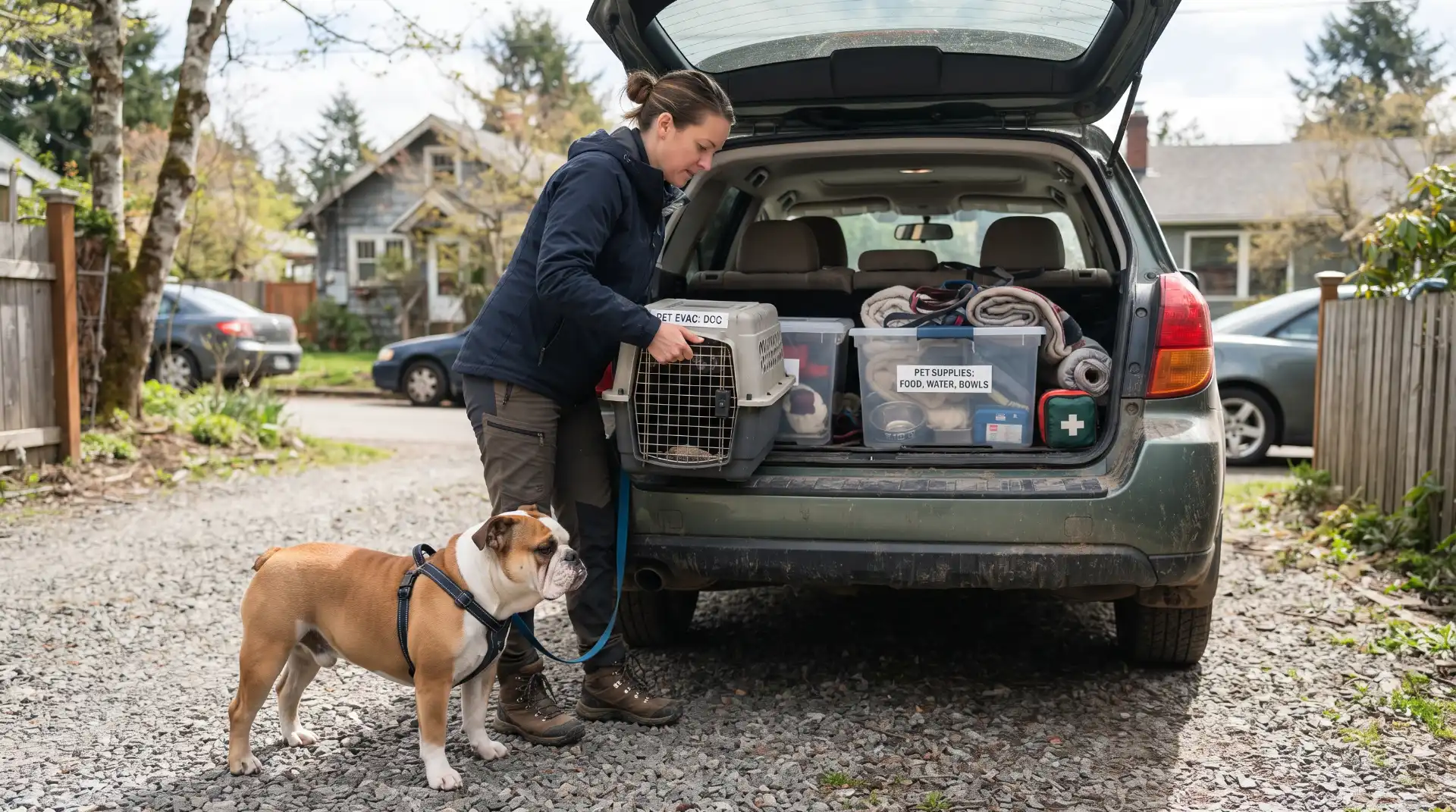
Securing your Continental Bulldog inside your evacuation vehicle requires a heavy-duty, impact-resistant travel crate or a crash-tested safety harness attached directly to the seatbelt assembly. Allowing a fifty-pound dog to ride unrestrained in the backseat or cargo area poses immense danger during sudden braking maneuvers or traffic collisions. Furthermore, an unrestrained, terrified dog can bolt out of the vehicle the moment a door is opened at a chaotic gas station or staging area.
Vehicle climate control must be managed continuously during an evacuation drive. Never leave your Continental Bulldog parked inside a vehicle without the engine running and air conditioning blowing, even for a few minutes. Solar heat gain can elevate interior car temperatures to lethal levels in under ten minutes. If you must stop for fuel or bathroom breaks, keep your dog inside the climate-controlled cabin with an adult family member, or keep them securely leashed directly by your side.
Pre-mapping your evacuation destination options is critical because many public emergency shelters operated during disasters cannot accept non-service animals due to health codes. Build a list of pet-friendly hotel chains located along your planned evacuation routes, fifty to two hundred miles away. Keep phone numbers for these locations stored in your contacts list so you can call and secure a room the moment an evacuation warning is broadcast.
Establish a formal “buddy system” with trusted neighbors, friends, or relatives who live nearby. Give your designated buddy a house key, show them where your pet go-bag is stored, and grant them written authority to evacuate your Continental Bulldog if a sudden wildfire or flash flood occurs while you are stuck at work or commuting.
Shelter-in-Place Protocols when Evacuation is Impossible
There are scenarios where an advancing storm or rapid infrastructure collapse makes immediate evacuation more dangerous than remaining at home. When local authorities advise sheltering in place, your residence must instantly transition into a secure shelter.
Start by locking all exterior doors and closing window blinds, shutters, or heavy drapes to protect against flying glass and thermal heat radiation. Move your Continental Bulldog into your designated interior safe room. Bring your complete emergency go-bag, water storage containers, crate, and orthopedic dog bedding into the space.
Managing your dog’s bathroom needs during extended shelter-in-place events requires an indoor potty solution. Opening exterior doors during an active hurricane or heavy wildfire smoke event exposes your entire household to danger. Set up an indoor potty area in a utility room or garage corner using artificial turf patches laid over heavy-duty plastic tarps and absorbent puppy pads. You can train your Continental Bulldog to use these pads by applying a scent-attractant spray or bringing a small piece of outdoor lawn turf inside before the storm hits.
Maintaining air quality inside your shelter zone is vital. Turn off all exhaust fans in bathrooms and kitchens to prevent drawing outside air indoors. If power fails, run portable battery-powered fans to maintain gentle air circulation around your dog’s crate, ensuring they do not overheat in stagnant air. Keep cooling towels or gel-infused cooling mats in your emergency supplies; hydrating these mats with cool stored water provides instant relief for a warm bulldog without needing electricity.
Post-Disaster Recovery, Environmental Reintegration, and Health Monitoring
The conclusion of an emergency event does not mark an immediate return to normal routines. Reentering your home and neighborhood after a wildfire, hurricane, or severe storm presents hidden hazards that require cautious management.
Inspect your yard thoroughly before turning your Continental Bulldog loose off-leash. High winds and flooding often collapse fence lines, create escape gaps, or blow hazardous items onto your lawn. Look out for sharp metal fragments, broken glass, fallen tree limbs, exposed insulation, chemical spills, and toxic garden items. Storms can also displace native wildlife; check for displaced snakes, rodents, or stinging insects that may have sought refuge in your yard.
Respiratory issues caused by smoke exposure can take several days to become fully apparent. Monitor your dog closely for seventy-two hours following any wildfire or air pollution event. Seek emergency veterinary attention if you observe persistent coughing, shallow or labored breathing, strange raspy noises during inhalation, pale or bluish gums, lethargy, or a total loss of appetite.
Disasters are deeply unsettling for pets. The sudden loss of normal routines, unfamiliar smells, loud noises, and altered landscapes can trigger lingering stress, separation anxiety, or heightened reactivity. Re-establish your regular daily routine as quickly as possible. Maintain consistent feeding times, walk schedules, and calm training interactions. Avoid reprimanding your dog if they show regression in potty habits or display temporary clinginess. With consistent, reassuring leadership, safe supplies, and a robust emergency plan, you can guide your Continental Bulldog safely through environmental crises and protect their health for years to come.
The Ultimate Emergency Preparedness Guide for Continental Bulldogs During Wildfires and Severe Storms
Disaster planning is a fundamental responsibility for every pet owner, but caring for a Continental Bulldog during a crisis demands a highly tailored approach. Known affectionately as the “Conti,” this athletic, muscular, and loyal Swiss breed possesses a unique combination of physical traits and temperament that alters how you must prepare for natural hazards. While Continental Bulldogs were intentionally bred to overcome the severe physical limitations and breathing hardships of traditional English Bulldogs, they retain a moderately brachycephalic head structure, short fur, and a dense, heavy body mass. These physiological traits make them particularly vulnerable to airborne hazardous pollutants during wildfires and heat-induced stress during power outages caused by severe storms.
When catastrophic events strike—whether a fast-moving wildfire sweeping across dry western hillsides or a severe convective storm knocking out local power grids in the Midwest—your response time is measured in minutes. Understanding how your Continental Bulldog’s body responds to stress, high temperatures, bad air quality, and displaced environments allows you to create a proactive evacuation and shelter-in-place strategy. By building a customized emergency blueprint, you safeguard your companion against environmental trauma, toxic smoke inhalation, and panic.
Decoding the Continental Bulldog’s Unique Vulnerabilities in Disasters
To safeguard your Continental Bulldog effectively during an emergency, you must first appreciate the physical and behavioral attributes that distinguish this breed from others. Developed in Switzerland by crossing the English Bulldog with the Olde English Bulldogge, the Continental Bulldog is a medium-sized, compact powerhouse weighing anywhere between forty-five and seventy pounds. Although their nostrils are wider and their muzzles longer than their ancestral stock, they remain shorter-muzzled than mesocephalic breeds like German Shepherds or Labrador Retrievers. This anatomical reality directly impacts their thermal regulation and pulmonary efficiency during high-stress crises.
Dogs cool themselves primarily through panting, relying on air movement over the moist surfaces of their nasal passages and tongue to evaporate moisture and cool down blood vessels. During a wildfire, particulate matter measuring 2.5 micrometers or smaller (PM2.5) floods the atmosphere. When a Continental Bulldog breathes heavily in a smoke-choked environment, their slightly shortened upper airway becomes inflamed faster than a long-snouted dog’s airway. Swelling in the soft palate or larynx further restricts airflow, compounding physical exhaustion and triggering elevated core body temperatures.
Beyond respiratory vulnerabilities, the Continental Bulldog’s dense body composition plays a major role in emergency management. High muscle mass generates substantial metabolic heat during physical movement. A panicking Continental Bulldog running through an evacuation scene can quickly elevate their core temperature into dangerous hyperthermic territory, even in moderate ambient weather. Furthermore, their solid build means they cannot be easily lifted or carried for miles over debris by a single person without specialized gear or transport equipment.
Behaviorally, Contis are famous for their confident, affectionate, and sometimes stubborn nature. They feed off human emotional cues and environmental stress. If an owner radiates panic during a storm or sudden evacuation order, a Continental Bulldog may dig in their heels, resist moving into a travel crate, or display anxious territorial reactivity. Recognizing these breed-specific dynamics allows you to build an emergency strategy that accounts for physical protection, stress reduction, and structured physical transport.
Navigating Wildfire Hazards: Respiratory Protection, Air Quality, and Ash Mitigation
Wildfires present a dual threat to pet owners: the immediate danger of fast-moving radiant heat and flames, and the silent, far-reaching danger of toxic smoke plumes. A wildfire burning fifty miles away can saturate your local neighborhood with carbon monoxide, volatile organic compounds (VOCs), and ultra-fine ash particulates. For a Continental Bulldog, exposure to this atmosphere can lead to acute bronchitis, corneal ulcers, and severe respiratory distress.
Monitoring air quality metrics becomes a daily imperative during fire season across North America. The Environmental Protection Agency’s Air Quality Index (AQI) provides actionable guidelines for dog owners. Whenever the local AQI moves into the “Unhealthy for Sensitive Groups” tier (orange, 101–150) or higher, your Continental Bulldog must be treated as a high-risk individual. Bathroom breaks should be shortened to brief three-minute outings on a lead, strictly avoiding vigorous physical exertion or prolonged yard play.
Creating a safe indoor sanctuary during air pollution events requires sealing house openings and running high-efficiency particulate air (HEPA) purification systems. Keep all windows and doors securely closed, and set central HVAC units to recirculate air rather than pulling in fresh outside air. Placing a dedicated HEPA air filter in the room where your Continental Bulldog sleeps ensures that their resting hours are spent breathing clean, scrubbed air.
When ash settles on outdoor ground surfaces, it poses a direct hazard to your dog’s skin, eyes, and digestive system. Alkaline wood ash and burnt synthetic building materials can cause chemical burns on sensitive paw pads and facial skin folds. Every time your dog steps outside during ash fall, wipe down their paws, underside, muzzle, and facial wrinkles with a damp cloth before letting them back inside. This prevents your dog from ingesting toxic particulate matter while grooming their coat later. If your dog exhibits persistent eye watering, squinting, coughing, or noisy breathing, seek immediate advice from a veterinary hospital.
Evacuation triggers must be established long before flames are visible from your doorstep. Due to traffic gridlock and rapidly shifting wind conditions, waiting for a mandatory evacuation order places brachycephalic dogs in extreme jeopardy. Heat radiating from nearby fires combined with vehicle gridlock without air conditioning can quickly prove fatal. Depart early during a voluntary evacuation warning stage, allowing you to move calmly, secure your pet safely in their travel harness, and navigate clear roadways.
Storm Readiness: Managing Hurricanes, Tornadoes, and Flash Floods
While wildfires strike with intense atmospheric heat and smoke, severe storms bring catastrophic wind force, sudden flooding, pressure drops, and electrical disruptions. Whether facing an Atlantic hurricane season, a severe thunderstorm outbreak in the Plains, or atmospheric rivers along the West Coast, storm preparedness demands structural security and mental comfort for your dog.
Barometric pressure changes associated with developing supercells and hurricanes are detected by dogs long before humans notice clouds darkening. Your Continental Bulldog may show subtle stress signals hours before a storm hits, including pacing, clinging to family members, lip licking, or seeking tight enclosed spaces under furniture. For a dog that weighs over fifty pounds, storm phobia can manifest as destructive chewing, door scratching, or escape attempts if panic sets in.
Designating a safe room inside your home is the foundational step of storm preparation. This room should ideally be an interior room on the lowest level of your dwelling, free of windows, exterior walls, and glass panels. An interior bathroom, large walk-in closet, or reinforced basement space serves this purpose best. Equip this safe zone with your dog’s heavy-duty wire or plastic shipping crate, lined with familiar blankets that carry your scent. Covering the crate with a dark blanket helps mute terrifying lightning flashes and dampens thunder claps.
Floodwaters present severe chemical and biological contamination risks following major rain events. Storm runoff carries industrial chemicals, sewage overflow, pesticide residues, and dangerous bacteria such as Leptospira. Never allow your Continental Bulldog to wade or swim through standing floodwater. A dog drinking from contaminated puddles can contract waterborne illnesses or suffer severe gastrointestinal distress. If your home is prone to rapid flash flooding, invest in a heavy-duty flotation vest specifically sized for broad-chested dogs to ensure buoyancy during emergency evacuations through deep water.
After a major storm passes, the immediate outdoor environment remains hazardous. Downed power lines, shattered glass, displaced wildlife, and exposed nails transform your familiar backyard into an obstacle course. Keep your dog securely on a short, non-retractable leash during every post-storm bathroom outing until you have thoroughly inspected the entire property.
Construction of the Continental Bulldog Emergency “Go-Bag” and Survival Supplies
A standard off-the-shelf pet emergency kit is rarely sufficient for a broad-chested, powerful dog like the Continental Bulldog. Customizing a durable, waterproof disaster go-bag ensures you have the precise supplies required to sustain your dog for at least seven to fourteen days during a major displacement event.
Food and water provisions must be kept fresh, sealed, and easily accessible. Continental Bulldogs can be prone to digestive sensitivities or food allergies, making sudden diet switches during high-stress evacuations a recipe for severe diarrhea and dehydration. Pack a two-week supply of your dog’s regular dry or canned diet divided into airtight, waterproof bags. Calculate drinking water needs based on your dog’s weight, allowing at least one gallon of clean potable water per day for drinking and basic sanitation. Pack two collapsible stainless steel or food-grade silicone bowls that are wide enough to accommodate your Conti’s broad muzzle comfortably.
Medical preparedness requires both standard canine first-aid supplies and tailored care items. Include a 30-day reserve of any prescription medications your dog takes regularly. Because bulldogs possess deep skin folds around their muzzle and face, damp evacuation environments quickly foster yeast and bacterial infections. Pack a container of medicated antiseptic wipes to clean facial wrinkles, ears, and paw pads daily.
Your canine first-aid kit should include non-stick sterile gauze pads, self-adhering Vet Wrap bandages, blunt-nosed bandage scissors, stainless steel tweezers, saline eye wash, pet-safe antiseptic spray, styptic powder, 3% hydrogen peroxide, canine-safe antihistamines with clear dosage notes from your vet, and canine booties made of rubber or leather to protect paw pads from sharp post-storm debris or hot asphalt.
During high-stress evacuations, dogs can pull with incredible leverage if startled by loud explosions, sirens, or falling trees. A standard collar can slip off a thick bulldog neck or put excessive pressure on the trachea. Store a heavy-duty, Y-shaped front-clip harness made of military-grade nylon webbing, paired with a solid six-foot non-retractable leash. Keep a secondary slip-lead in the kit for immediate backup control.
Always pack a well-fitted basket muzzle. Even the gentlest Continental Bulldog may snap or bite out of instinct if injured, terrified, or undergoing emergency treatment by unfamiliar rescue personnel. Conditioning your dog to wear a basket muzzle using positive reinforcement training during normal times eliminates extra distress if a muzzle becomes necessary in an emergency.
To learn more about federal pet disaster recommendations and official guidelines, consult the comprehensive disaster planning resources available at Ready.gov Pet Preparedness.
Identification, Microchipping, and Legal Documentation
When disasters hit populated areas, thousands of pets become lost, separated, or displaced. Ensuring that your Continental Bulldog carries unshakeable visual, digital, and legal identification is your primary defense against permanent loss.
Microchipping is an indispensable baseline requirement. A tiny transponder inserted beneath the skin between your dog’s shoulder blades provides a permanent identifier that cannot snap off like a collar. However, a microchip is only as effective as the data linked to it. Keep your contact information up to date in the national registry database (such as AKC Reunite or PetLink). Always include an out-of-area secondary contact person, such as a relative living in another state, who will remain reachable if local cell towers collapse in your region.
Complement digital microchips with clear visual tags on your dog’s harness and collar. Stainless steel tags should state your dog’s name, your phone number, and a secondary phone number. If your dog has medical conditions like extreme heat sensitivity or food allergies, engrave those details directly onto a medical alert tag.
Keep a dedicated, heavy-duty waterproof document sleeve inside your emergency go-bag. This sleeve must hold physical paper copies of essential records, including proof of ownership (registration certificates or purchase receipts), official rabies vaccination certificates and immunization records required for boarding facilities, recent clear color photographs showing your dog from multiple angles along with photos of you posing alongside your dog, and written care instructions covering daily feeding amounts, behavioral quirks, and veterinary contact details.
Digitize all these records by storing scanned PDF copies on a password-protected flash drive in your go-bag and uploaded to a secure cloud account accessible from your mobile phone.
Evacuation Strategies and Safe Transport Operations
When an evacuation order is issued, speed, order, and physical control determine your success. Transporting a strong, heavy dog under chaotic conditions requires specialized gear and advance preparation.
Securing your Continental Bulldog inside your evacuation vehicle requires a heavy-duty, impact-resistant travel crate or a crash-tested safety harness attached directly to the seatbelt assembly. Allowing a fifty-pound dog to ride unrestrained in the backseat or cargo area poses immense danger during sudden braking maneuvers or traffic collisions. Furthermore, an unrestrained, terrified dog can bolt out of the vehicle the moment a door is opened at a chaotic gas station or staging area.
Vehicle climate control must be managed continuously during an evacuation drive. Never leave your Continental Bulldog parked inside a vehicle without the engine running and air conditioning blowing, even for a few minutes. Solar heat gain can elevate interior car temperatures to lethal levels in under ten minutes. If you must stop for fuel or bathroom breaks, keep your dog inside the climate-controlled cabin with an adult family member, or keep them securely leashed directly by your side.
Pre-mapping your evacuation destination options is critical because many public emergency shelters operated during disasters cannot accept non-service animals due to health codes. Build a list of pet-friendly hotel chains located along your planned evacuation routes, fifty to two hundred miles away. Keep phone numbers for these locations stored in your contacts list so you can call and secure a room the moment an evacuation warning is broadcast.
Establish a formal “buddy system” with trusted neighbors, friends, or relatives who live nearby. Give your designated buddy a house key, show them where your pet go-bag is stored, and grant them written authority to evacuate your Continental Bulldog if a sudden wildfire or flash flood occurs while you are stuck at work or commuting.
Shelter-in-Place Protocols when Evacuation is Impossible
There are scenarios where an advancing storm or rapid infrastructure collapse makes immediate evacuation more dangerous than remaining at home. When local authorities advise sheltering in place, your residence must instantly transition into a secure shelter.
Start by locking all exterior doors and closing window blinds, shutters, or heavy drapes to protect against flying glass and thermal heat radiation. Move your Continental Bulldog into your designated interior safe room. Bring your complete emergency go-bag, water storage containers, crate, and orthopedic dog bedding into the space.
Managing your dog’s bathroom needs during extended shelter-in-place events requires an indoor potty solution. Opening exterior doors during an active hurricane or heavy wildfire smoke event exposes your entire household to danger. Set up an indoor potty area in a utility room or garage corner using artificial turf patches laid over heavy-duty plastic tarps and absorbent puppy pads. You can train your Continental Bulldog to use these pads by applying a scent-attractant spray or bringing a small piece of outdoor lawn turf inside before the storm hits.
Maintaining air quality inside your shelter zone is vital. Turn off all exhaust fans in bathrooms and kitchens to prevent drawing outside air indoors. If power fails, run portable battery-powered fans to maintain gentle air circulation around your dog’s crate, ensuring they do not overheat in stagnant air. Keep cooling towels or gel-infused cooling mats in your emergency supplies; hydrating these mats with cool stored water provides instant relief for a warm bulldog without needing electricity.
Post-Disaster Recovery, Environmental Reintegration, and Health Monitoring
The conclusion of an emergency event does not mark an immediate return to normal routines. Reentering your home and neighborhood after a wildfire, hurricane, or severe storm presents hidden hazards that require cautious management.
Inspect your yard thoroughly before turning your Continental Bulldog loose off-leash. High winds and flooding often collapse fence lines, create escape gaps, or blow hazardous items onto your lawn. Look out for sharp metal fragments, broken glass, fallen tree limbs, exposed insulation, chemical spills, and toxic garden items. Storms can also displace native wildlife; check for displaced snakes, rodents, or stinging insects that may have sought refuge in your yard.
Respiratory issues caused by smoke exposure can take several days to become fully apparent. Monitor your dog closely for seventy-two hours following any wildfire or air pollution event. Seek emergency veterinary attention if you observe persistent coughing, shallow or labored breathing, strange raspy noises during inhalation, pale or bluish gums, lethargy, or a total loss of appetite.
Disasters are deeply unsettling for pets. The sudden loss of normal routines, unfamiliar smells, loud noises, and altered landscapes can trigger lingering stress, separation anxiety, or heightened reactivity. Re-establish your regular daily routine as quickly as possible. Maintain consistent feeding times, walk schedules, and calm training interactions. Avoid reprimanding your dog if they show regression in potty habits or display temporary clinginess. With consistent, reassuring leadership, safe supplies, and a robust emergency plan, you can guide your Continental Bulldog safely through environmental crises and protect their health for years to come.