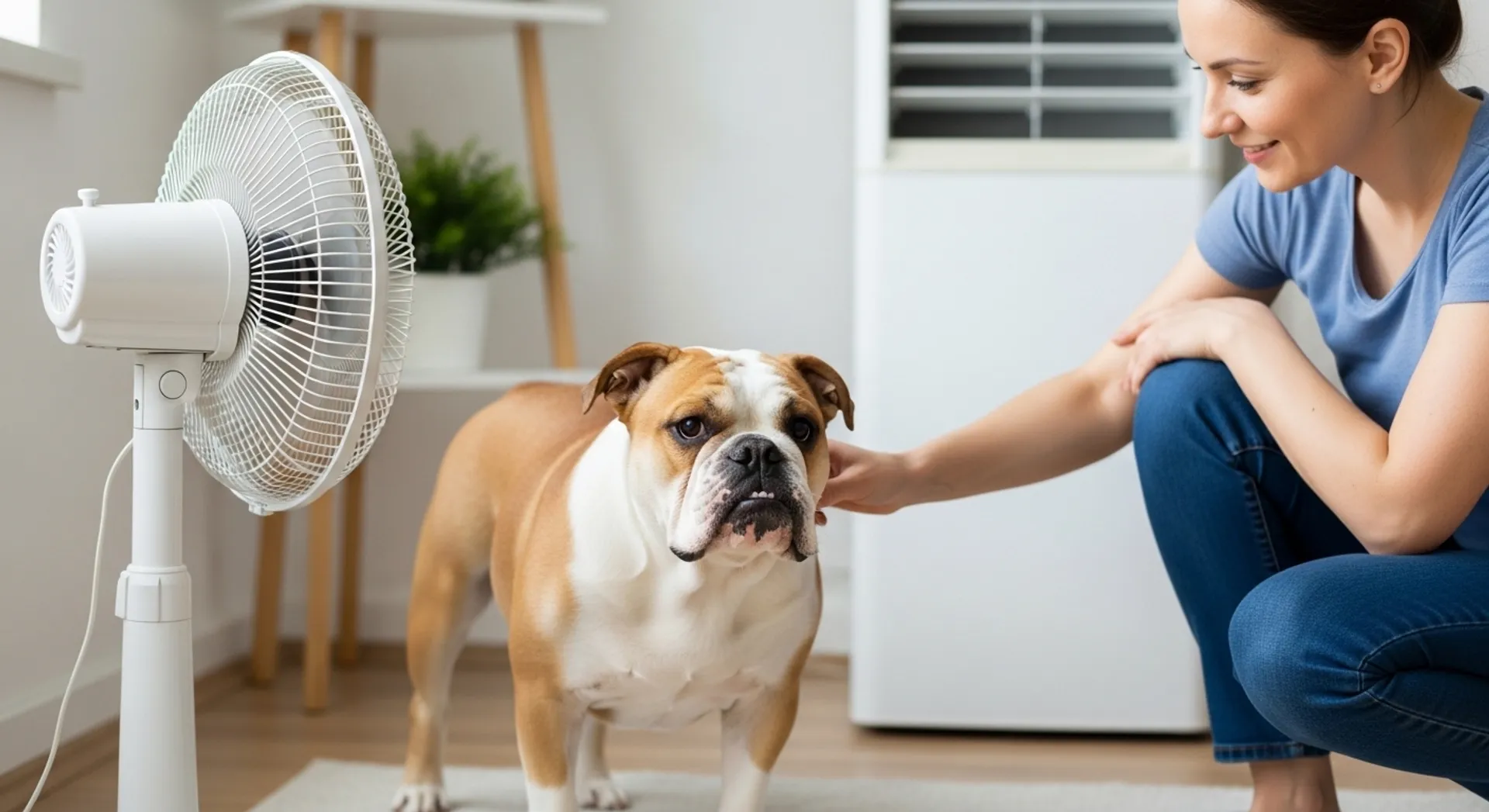
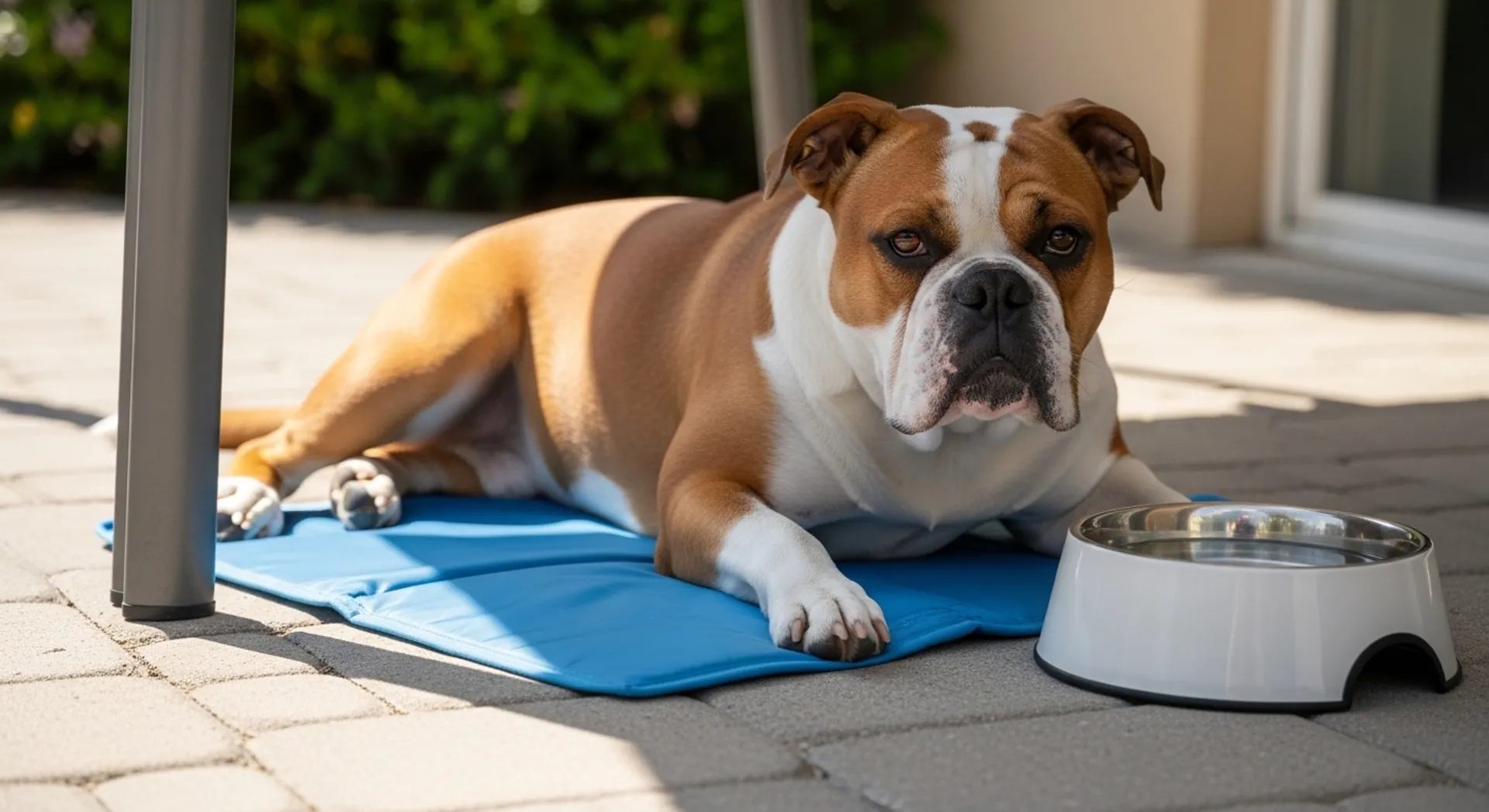
Continental Bulldog heat safety is becoming a more important topic for owners in 2026, especially as hotter days, longer warm spells, and stronger sun exposure make daily routines harder for flat-faced breeds. While the Continental Bulldog was developed to be a healthier and more athletic bulldog than many older bulldog types, that does not mean owners can ignore hot weather. Bulldogs still have physical traits that make cooling down less efficient than it is for many longer-nosed breeds. That is why summer care should never be treated like an afterthought.
If you already follow this site, that topic fits naturally with the rest of your content. You already have helpful reading on the blog, a detailed post on common health issues in Continental Bulldogs, and a broader look at why this breed offers a healthier structure than many other bulldogs in your breed comparison guide. This article builds on those topics by focusing on one thing every owner should understand before the hottest part of the year arrives: how to keep a Continental Bulldog safe, comfortable, and active without pushing too far.
Why Continental Bulldog Heat Safety Matters More in 2026
Owners often hear that Continental Bulldogs are healthier than English Bulldogs or French Bulldogs, and that is true in important ways. They usually have a more functional structure, better mobility, and improved breathing compared with more exaggerated bulldog types. But improved does not mean unlimited. Hot weather still places stress on the respiratory system, and that matters because dogs depend heavily on panting to regulate body temperature. Once the environment becomes too warm or humid, cooling becomes harder, and risk rises quickly.
That is why Continental Bulldog heat safety should be part of everyday ownership, not just emergency planning. The goal is not to make owners anxious. It is to help them become realistic. A healthy dog can still overheat. A fit dog can still struggle after too much play on a humid afternoon. A confident owner can still misread the early warning signs. Prevention works best when it is built into normal routines rather than saved for the moment a dog looks distressed.
Why Continental Bulldog heat safety starts with breathing and body structure
The Continental Bulldog was intentionally bred to avoid some of the most severe health problems seen in other bulldog breeds, and that gives owners a real advantage. However, the breed still carries bulldog heritage, which means heat sensitivity cannot be ignored. Breathing efficiency, body weight, exercise intensity, and environmental conditions all work together. If one of those factors gets out of balance, a dog can move from mildly uncomfortable to genuinely at risk faster than many people expect.
Continental Bulldogs are healthier, not heat-proof
One of the biggest mistakes owners make is assuming that because a Continental Bulldog can walk longer, move better, or tolerate activity better than some other bulldogs, heat is no longer a serious concern. That thinking leads to overconfidence. A dog that seems energetic in the first fifteen minutes of a walk may already be using more effort to cool down than you realize. By the time heavy panting, drooling, or slowing down become obvious, the dog may already be struggling.
This matters even more with young dogs and enthusiastic adults. Many Continental Bulldogs enjoy movement and interaction, so they do not always stop on their own. They may keep playing fetch, following you through the yard, or walking beside you even when they are already too warm. Owners have to be the ones who decide when enough is enough. That means watching the dog, watching the weather, and adjusting plans before the dog reaches a crisis point.
Humidity, pavement, and overexertion add hidden risk
Heat safety is not just about temperature. Humidity makes panting less effective. Hot pavement can stress paw pads and raise overall body heat. Direct sun removes the cooling benefit of shade. Overexertion during play, training, or longer walks makes everything worse. Even a dog that handles a mild morning walk well may struggle badly on a still, humid afternoon with little airflow.
This is one reason routines matter more than gadgets. Cooling mats, fans, and elevated beds can help, but they do not cancel out poor timing. A smarter summer routine begins with choosing better hours, keeping sessions shorter, and accepting that some days require less activity than others. Skipping a midday outing is not laziness. It is responsible ownership.
Why Continental Bulldog heat safety matters even more in warm climates
For owners in warmer regions, this issue becomes even more practical. You may be dealing with long hot seasons instead of a few summer weeks. That changes how you plan exercise, feeding, naps, outdoor play, and travel. A Continental Bulldog can still thrive in a warm climate, but only when the environment is managed well. Shade, airflow, hydration, and activity timing become part of basic care rather than special precautions.
It also helps to think beyond the obvious danger moments. Car rides, outdoor cafés, beach trips, training classes, and waiting in exposed areas can all raise heat stress. Owners sometimes focus on walks and forget that simple standing, waiting, or riding in a hot vehicle environment can also create risk. When you build your routine around prevention, your dog has a much better chance of staying comfortable throughout the season instead of bouncing between overheating episodes and recovery.
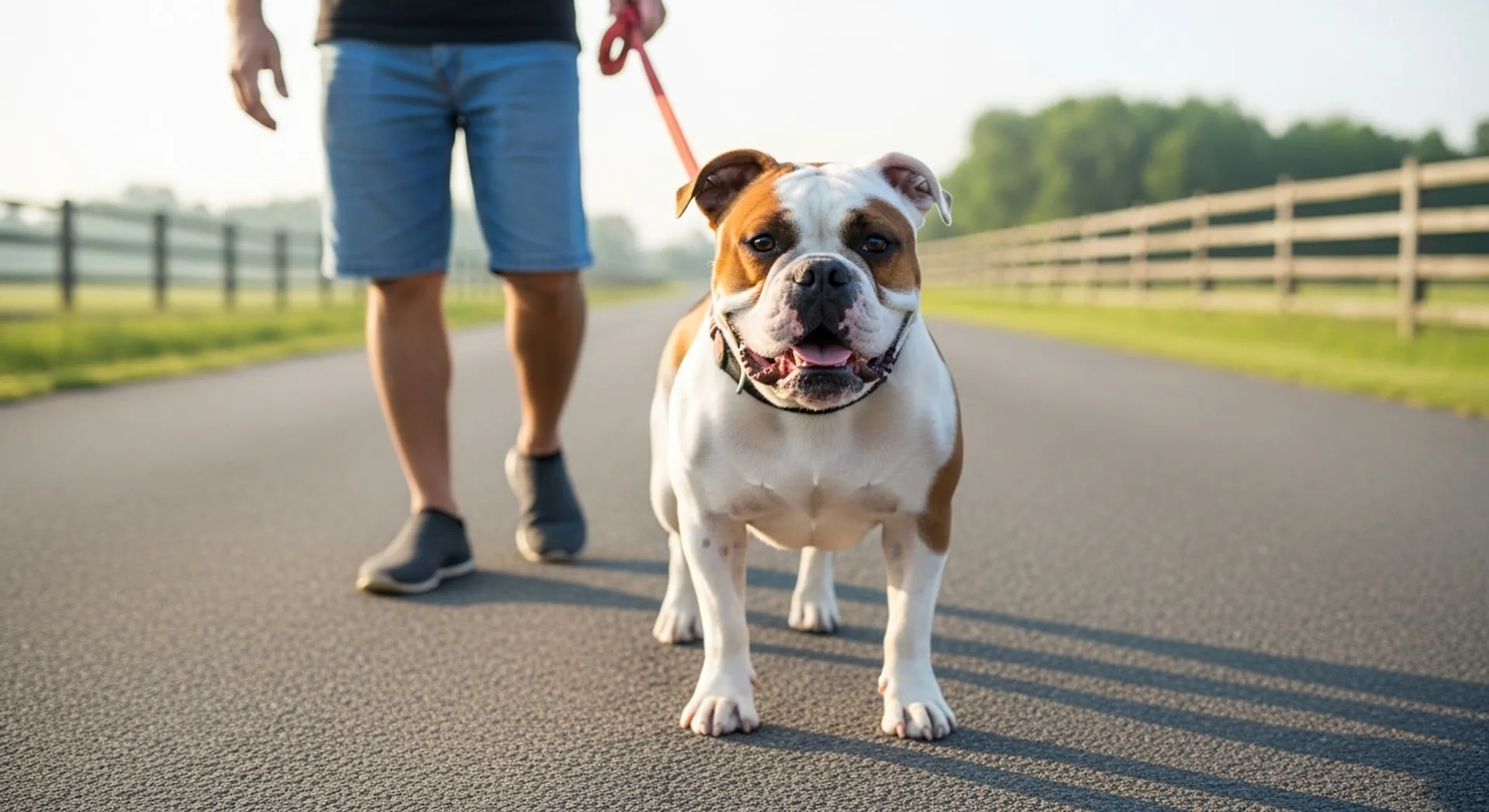
How to Build a Continental Bulldog Heat Safety Routine
The best approach to Continental Bulldog heat safety is not complicated, but it does require consistency. Owners should think in terms of routine instead of rescue. If your dog only gets cooling support after showing clear distress, the plan is already too late. A better system starts before the walk, before the play session, and before the hot day reaches its peak. That means controlling timing, pace, water access, recovery, and indoor comfort every day.
It also means supporting overall health. Dogs that are overweight, poorly conditioned, or recovering from illness often have a harder time coping with heat. That makes your other care habits matter here too. A balanced diet, sensible portions, and regular but moderate exercise all contribute to better summer resilience. If you want to support that side of care, this post pairs well with your feeding guide and your top care tips for Continental Bulldogs.
Daily habits that make Continental Bulldog heat safety easier
A good heat-safety routine usually looks simple from the outside. You walk earlier. You shorten the session when conditions feel heavy. You carry water. You avoid intense bursts of exercise in the hottest part of the day. You give your dog time to cool down indoors after activity. You make your home a place where recovery is easy, with airflow, shade, cool surfaces, and fresh water always available.
Owners of puppies should be even more thoughtful. Young dogs are still learning their limits, and they can go from excited to exhausted quickly. If you are raising a younger dog, it is smart to pair this article with your puppy care guide so activity and rest stay balanced. It is also worth reviewing your breed information page so expectations about structure, temperament, and care remain realistic.
Walk earlier, rest more, and cool smarter
Early morning and later evening are usually the safest windows for exercise. That does not mean every evening walk is safe automatically, but it gives you a better starting point. Touch the pavement with your hand. Notice whether the air feels still and heavy. Watch how your dog starts the outing. If panting becomes intense too early, shorten the walk immediately. There is no reward for finishing the route you planned if your dog is already telling you the conditions are too much.
At home, cooling smarter often means simple adjustments. Keep water bowls in more than one location. Let your dog choose cooler flooring when possible. Limit rough play indoors if the house is already warm. Use shade strategically in outdoor spaces. On especially hot days, shift mental stimulation indoors with training games, puzzle toys, short obedience sessions, and calmer enrichment instead of physical exertion. That keeps your dog engaged without forcing the body to work so hard in unsafe conditions.
Learn the warning signs and respond fast
Every owner should know the basic warning signs of overheating. Excessive panting, heavy drooling, weakness, bright red gums, confusion, vomiting, wobbling, or collapse all deserve immediate attention. If you see those signs, move your dog to a cooler area at once, offer small amounts of cool water, and seek veterinary help quickly. Waiting to “see if it passes” is a bad gamble when a dog is already showing obvious heat distress.
The smartest owners do not wait for a severe episode to start learning. They prepare early, build safer routines, and keep adjusting as the season changes. That is the real value of Continental Bulldog heat safety. It is not about avoiding all outdoor life. It is about making thoughtful choices so your dog can enjoy life without being pushed into danger. For broader summer-care advice, you can also point readers to the AKC summer safety guide and to the RVC research on flat-faced dogs and heat-stroke risk.
Continental Bulldogs are a stronger, more balanced bulldog breed than many people are used to seeing, and that is exactly why owners should protect that advantage. Good structure deserves good management. With smart timing, sensible exercise, healthy weight control, and close attention to warning signs, your dog can stay safer and more comfortable even when the weather turns harsh. That is the kind of practical care owners remember and dogs benefit from every single year.