
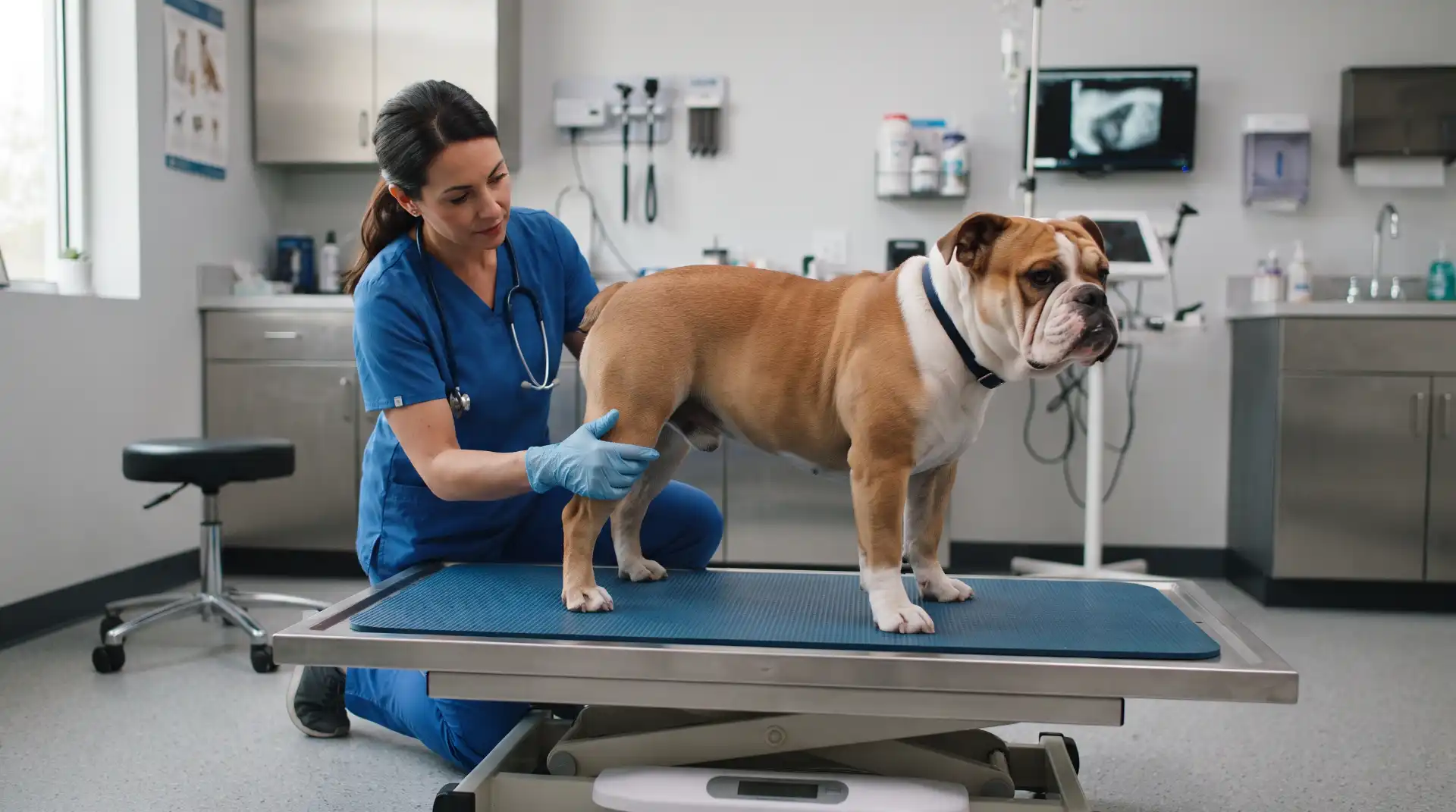
Continental Bulldogs are known for their sturdy build, affectionate temperament, and more athletic body structure than some traditional bulldog breeds. Even so, responsible owners should be aware of orthopedic conditions that can affect mobility and quality of life. One condition worth understanding is Continental Bulldog hip dysplasia.
Canine hip dysplasia develops when the hip joint does not develop with the normal stability expected between the femoral head and the socket of the pelvis. Instead of moving smoothly and securely, an affected joint may have excessive looseness, or laxity. Over time, that abnormal movement can contribute to cartilage damage, inflammation, pain, and osteoarthritis.
Hip dysplasia is not simply an “old dog” problem. The abnormal joint development begins while a dog is growing, although clinical signs may appear during puppyhood, adulthood, or much later in life. Some dogs with abnormal hips show obvious discomfort, while others can have significant changes on X-rays without noticeable symptoms.
Understanding the early signs, appropriate screening methods, weight management, exercise choices, and available veterinary treatments can help Continental Bulldog owners make informed decisions throughout their dog’s life.
What Is Hip Dysplasia in Continental Bulldogs?
A normal canine hip is a ball-and-socket joint. The rounded head of the femur fits into the acetabulum, a socket in the pelvis. In a healthy joint, the structures fit closely enough to provide stability while allowing smooth movement.
Hip dysplasia occurs when the joint develops abnormally and becomes too loose. As the dog bears weight and moves, the ball can shift abnormally within the socket. Repeated abnormal movement can damage cartilage and eventually lead to degenerative joint disease or osteoarthritis.
The American College of Veterinary Surgeons explains that canine hip dysplasia is multifactorial. Genetics is considered the largest single risk factor, but environmental influences can affect how the disease develops and how severely a dog is affected.
That distinction matters. Owners cannot guarantee that a genetically predisposed puppy will never develop hip dysplasia through exercise or diet alone. However, appropriate growth, body-condition management, responsible exercise, and veterinary monitoring can help reduce unnecessary stress on developing joints.
Our broader guide to common health issues in Continental Bulldogs discusses hip problems alongside other health concerns owners may encounter.
What Causes Continental Bulldog Hip Dysplasia?
There is rarely one single cause.
Hereditary factors play an important role. A puppy may inherit genes that increase the likelihood of abnormal hip development. This is why orthopedic screening of breeding dogs is an important component of responsible breeding.
Growth and environment can also influence expression of the disease. Excessive calorie intake that promotes rapid weight gain during development may increase stress on immature joints. Excess body weight later in life can also place additional mechanical load on already compromised hips.
Exercise is another consideration. Puppies need appropriate movement for muscular development, coordination, socialization, and general health. The goal is not to prevent exercise. Instead, owners should avoid repeatedly subjecting an immature dog to high-impact activities beyond what is appropriate for its age, physical development, and veterinary recommendations.
Slippery flooring, repeated jumping from significant heights, uncontrolled high-impact activity, and obesity may make life harder on vulnerable joints, even though these factors do not independently explain the genetic developmental condition.
Are Continental Bulldogs Prone to Hip Dysplasia?
Hip dysplasia is possible in Continental Bulldogs, and your site’s existing health resources appropriately identify orthopedic health as something owners and breeders should monitor.
However, it is important not to assume that every Continental Bulldog will develop the condition. Individual risk depends on genetics, breeding history, growth, body condition, and other factors.
Prospective owners should therefore concentrate less on broad claims about whether the entire breed is “healthy” or “unhealthy” and more on the health screening and history of the particular breeding lines they are considering.
If you are searching for a puppy, our guide on how to choose a responsible Continental Bulldog breeder explains why health screening and transparency about hereditary conditions matter.
Early Signs of Hip Dysplasia in a Continental Bulldog
Hip dysplasia does not look exactly the same in every dog. Some dogs develop signs relatively early, while others compensate effectively for years.
One of the first things owners may notice is an unusual change in movement. A Continental Bulldog that previously moved comfortably may begin taking shorter steps with the rear legs, hesitating before jumping, or appearing stiff after resting.
Limping may occur, although hip dysplasia does not always produce an obvious limp. Some dogs shift more weight onto their front legs to reduce discomfort in the hindquarters.
Difficulty rising can also be significant. A dog may hesitate before standing after sleeping or need extra effort to push the rear of the body upward.
Other possible signs include reluctance to climb stairs, reduced enthusiasm for long walks, difficulty getting into a vehicle, reduced interest in vigorous play, hip sensitivity, and loss of muscle mass in the hind limbs.
Veterinary orthopedic sources also recognize that some affected dogs develop a characteristic altered gait, including movement sometimes described as “bunny hopping” when both rear legs move together during faster activity.
None of these signs confirms hip dysplasia on its own. Knee injuries, spinal disorders, muscle strains, arthritis, paw injuries, cruciate ligament disease, and other orthopedic problems can create similar symptoms.
A veterinary examination is therefore important whenever a Continental Bulldog develops persistent lameness, stiffness, pain, or unexplained changes in mobility.
Can Puppies Show Signs of Hip Dysplasia?
Yes. Because hip dysplasia begins during development, young dogs can show signs before arthritis has become advanced.
A puppy may appear less willing to run, jump, or play than expected. Some young dogs have difficulty rising or develop intermittent hind-limb lameness after exercise.
However, absence of symptoms does not necessarily mean the hips are normal. A puppy can have abnormal joint laxity without obvious pain.
This is one reason orthopedic screening can be valuable when a veterinarian believes a dog may be at increased risk. Detecting abnormal hip development early can be especially important because certain surgical options are only appropriate during specific stages of skeletal development.
How Veterinarians Diagnose Hip Dysplasia
Diagnosis usually starts with the dog’s medical history and a physical examination.
Your veterinarian may ask when the symptoms began, whether they occur after exercise or rest, whether they affect one or both hind legs, and whether your dog’s activity level has changed.
The veterinarian may observe your Continental Bulldog walking and trotting, evaluate muscle development, assess range of motion, and palpate the hip area.
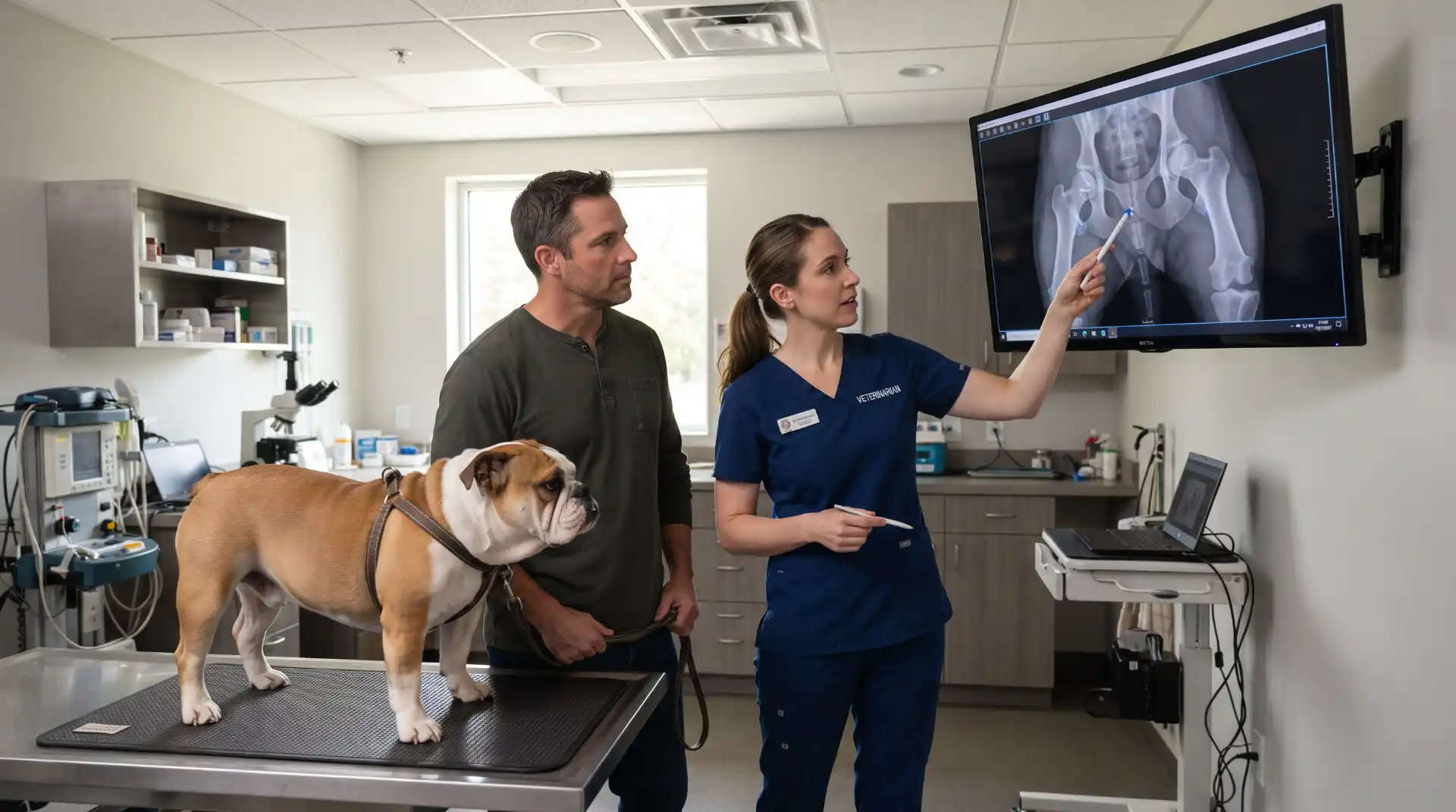
Diagnostic imaging is generally needed to evaluate the hip joints properly. Hip radiographs, or X-rays, can reveal joint abnormalities and signs of osteoarthritis.
Correct positioning matters significantly when evaluating hips. Sedation is commonly used for specialized hip radiographs because muscle relaxation helps the veterinary team position the dog accurately and assess joint laxity.
The Orthopedic Foundation for Animals, or OFA, accepts hip radiographs for evaluation and grading. Preliminary evaluations are available for dogs between four and 23 months of age, while standard OFA hip certification is generally performed once a dog reaches the organization’s required age.
Another diagnostic approach is PennHIP, which uses specialized radiographic techniques to quantify hip-joint laxity. Your veterinarian can explain which screening approach is most appropriate for your dog.
Can Hip Dysplasia Be Prevented?
No responsible source can promise complete prevention because genetic predisposition plays such a substantial role.
Prevention is better understood as risk reduction and responsible management.
The most meaningful preventive strategy begins before a puppy is born: responsible breeding. Dogs selected for breeding should undergo appropriate health evaluation, and prospective puppy buyers should ask breeders for documented orthopedic screening rather than accepting vague assurances that the parents “have never had problems.”
Once a puppy comes home, owners can concentrate on maintaining appropriate growth, healthy body condition, sensible exercise, good footing, and regular veterinary care.
Keep Your Continental Bulldog at a Healthy Weight
Weight management is one of the most practical ways owners can protect a dog’s joints.
A heavier body places more mechanical load on the hips with every step. For a dog with abnormal hip structure, excess weight can make mobility more difficult and may intensify clinical discomfort associated with osteoarthritis.
This does not mean growing Continental Bulldog puppies should be placed on restrictive weight-loss diets. Puppies need adequate calories and properly balanced nutrients to develop normally.
Instead, the goal is controlled growth and appropriate body condition.
Feed a nutritionally complete food appropriate for your dog’s life stage and monitor portions rather than automatically filling the bowl whenever it becomes empty. Treats should also be considered part of the dog’s overall caloric intake.
Body condition is often more useful than focusing on a single “ideal” number on the scale because healthy weight varies by individual dog.
For additional nutritional information, see our Continental Bulldog feeding guide.
Choose Joint-Friendly Exercise
Exercise remains important for Continental Bulldogs. Appropriate activity maintains cardiovascular fitness, helps control body weight, and preserves the muscles that support the joints.
The key is matching activity to the dog’s age and orthopedic condition.
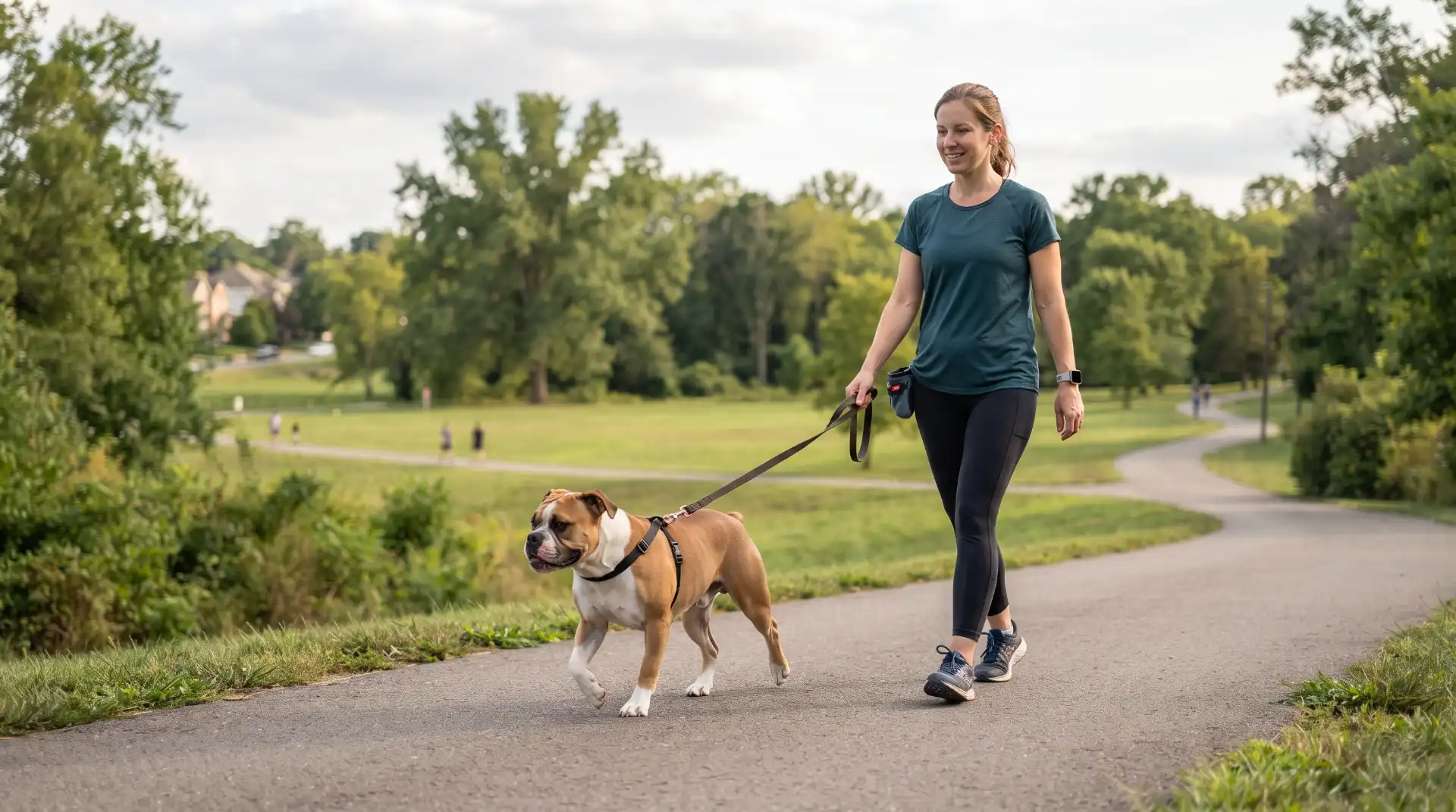
For many adult dogs, controlled leash walking provides useful low-impact exercise. Swimming or professionally supervised aquatic rehabilitation may be appropriate for certain dogs if a veterinarian recommends it and the dog can participate safely.
A puppy does not need to spend its first year confined indoors to protect its hips. Normal exploration, age-appropriate play, training, and walking all contribute to physical and behavioral development.
What owners should avoid is excessive repetitive impact, particularly when the puppy’s skeletal system is still developing. Repeated high jumps, forced distance running, hard-stop activities, or strenuous exercise on inappropriate surfaces may place unnecessary stress on immature joints.
If your dog has already been diagnosed with hip dysplasia, ask your veterinarian what type, intensity, and duration of exercise is appropriate. The correct program for a mildly affected young dog may differ substantially from the program recommended for an older dog with advanced osteoarthritis.
Make the Home Easier on the Hips
Small environmental changes can make everyday movement more comfortable for a dog with sore or unstable hips.
Slick tile, laminate, and hardwood floors can be challenging because the hind legs may slide outward as the dog tries to stand. Non-slip rugs or runners can provide better traction in frequently used areas.
Dogs that struggle to enter vehicles may benefit from a stable ramp. Preventing repeated jumping from high beds, couches, or vehicle cargo areas may also reduce unnecessary impact.
A comfortable supportive sleeping area can help dogs that become stiff after resting.
These modifications do not correct the abnormal anatomy of hip dysplasia, but they can improve daily comfort and reduce avoidable physical stress.
Nutrition and Joint Supplements
Owners frequently encounter advertisements claiming that particular supplements can prevent or repair hip dysplasia.
These claims deserve caution.
Hip dysplasia is an orthopedic developmental condition, and supplements cannot reshape an abnormally developed hip into a normal one.
Some veterinarians incorporate specific nutritional strategies or supplements into broader osteoarthritis-management programs. Omega-3 fatty acids, for example, may be discussed as part of a veterinarian-directed plan for joint inflammation.
However, owners should not assume every “joint support” product is effective simply because its label contains ingredients such as glucosamine or chondroitin.
Discuss supplements with your veterinarian before beginning them, particularly if your dog already receives medications or has another medical condition.
Treatment for Continental Bulldog Hip Dysplasia
Treatment depends on the dog’s age, severity of joint laxity, presence of arthritis, pain level, body weight, lifestyle, and overall health.
There is no single treatment appropriate for every Continental Bulldog.
Some dogs can be managed effectively without surgery. Others may benefit substantially from surgical intervention, particularly when pain or impaired function is significant.
Weight and Exercise Management
Conservative treatment often begins with maintaining a lean body condition and developing an appropriate exercise routine.
Completely eliminating movement can cause additional problems because muscle weakness may reduce support around the affected joints. Instead, veterinarians generally aim for controlled activity that maintains strength without repeatedly aggravating pain.
The duration and intensity should be individualized according to what the dog comfortably tolerates.
Veterinary Pain and Anti-Inflammatory Medication
Veterinarians may prescribe nonsteroidal anti-inflammatory drugs, commonly called NSAIDs, for dogs experiencing osteoarthritis-related pain and inflammation.
These medications can improve comfort substantially in appropriately selected patients, but they are not medications owners should administer without veterinary supervision.
Human pain medicines can be dangerous to dogs, and even veterinary NSAIDs can have adverse effects. Dogs receiving longer-term therapy may need periodic examinations and blood testing based on the medication, dose, health status, and veterinarian’s recommendations.
Never give your Continental Bulldog ibuprofen, naproxen, acetaminophen, aspirin, or another human medication for hip pain unless your veterinarian specifically directs you to do so.
Physical Rehabilitation
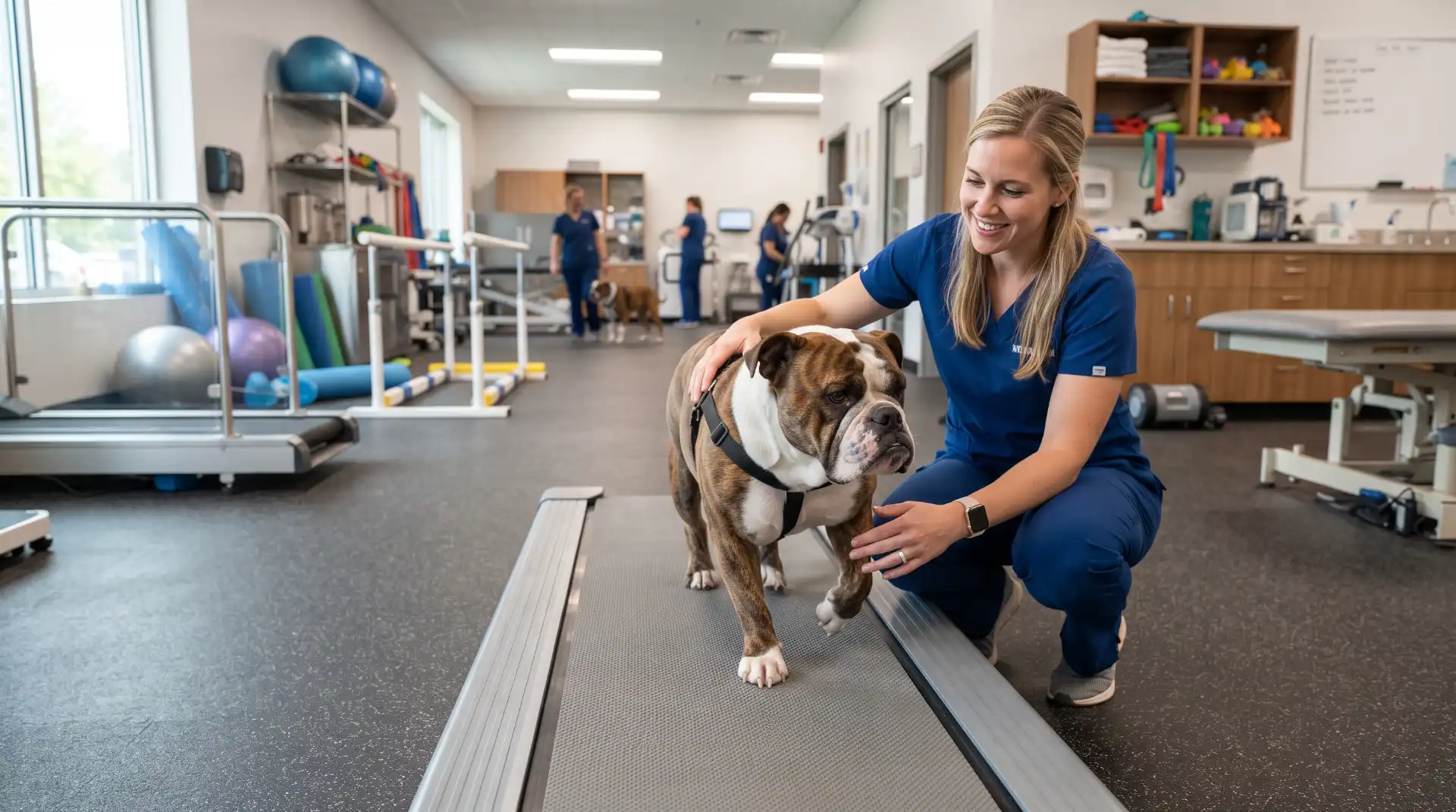
Veterinary rehabilitation can help certain dogs maintain muscle strength, improve controlled movement, and recover after orthopedic surgery.
A rehabilitation program might incorporate therapeutic exercises, range-of-motion work, balance activities, or aquatic therapy depending on the dog’s condition.
Rehabilitation should be individualized. An exercise appropriate for one dog may be uncomfortable or unsafe for another dog with different orthopedic problems.
Surgical Options for Canine Hip Dysplasia
Some dogs with hip dysplasia are candidates for surgery. The procedure recommended depends heavily on the dog’s age, skeletal maturity, joint condition, degree of arthritis, and intended lifestyle.
Juvenile Pubic Symphysiodesis
Juvenile pubic symphysiodesis, commonly abbreviated JPS, is an early intervention performed in appropriately selected very young puppies.
Timing is critical because the procedure depends on continued pelvic growth. According to the American College of Veterinary Surgeons, puppies must be diagnosed at a young age for this option to be considered.
This illustrates why early orthopedic evaluation can matter even when a puppy does not yet have advanced symptoms.
Double or Triple Pelvic Osteotomy
A double pelvic osteotomy or triple pelvic osteotomy changes the orientation of portions of the pelvis to improve how the hip socket covers the femoral head.
These procedures are generally considered for selected immature dogs before substantial arthritic changes develop.
They are not appropriate for every patient, and evaluation by a veterinarian experienced in orthopedic surgery is necessary.
Total Hip Replacement
Total hip replacement replaces the damaged ball-and-socket components of the hip with implants designed to restore more normal joint mechanics.
For appropriately selected dogs with significant hip pain, total hip replacement can provide substantial improvement in function.
As with any major orthopedic operation, there are potential complications and a structured recovery period is required.
Femoral Head Ostectomy
Femoral head ostectomy, or FHO, removes the femoral head so the painful bone-on-bone contact of the abnormal joint is eliminated. A functional “false joint” then develops through the surrounding muscles and tissues.
The outcome depends partly on patient size, body condition, rehabilitation, muscle development, and other factors. Your veterinarian or veterinary surgeon can explain whether FHO is appropriate for a particular Continental Bulldog.
What Is Recovery Like After Hip Surgery?
Recovery varies significantly depending on the procedure.
Orthopedic surgery usually requires a period of restricted activity. Owners may need to use leash-only bathroom trips, prevent running and jumping, limit access to stairs, and create a small controlled recovery area inside the home.
Slippery flooring is particularly problematic during recovery, making traction mats or rugs useful.
Follow-up veterinary examinations and X-rays may be necessary to evaluate healing before normal activity is resumed.
Do not accelerate exercise simply because your dog suddenly appears energetic. Dogs may feel better before bones and soft tissues are sufficiently healed for unrestricted activity.
Follow the surgeon’s rehabilitation instructions closely.
When Should You See a Veterinarian?
Schedule a veterinary examination if your Continental Bulldog develops persistent limping, difficulty standing, unusual stiffness, reluctance to climb stairs, decreased interest in exercise, apparent hip pain, or an unexplained change in gait.
A sudden inability to bear weight, severe pain, or acute injury should be evaluated promptly because causes other than hip dysplasia may require urgent treatment.
Owners should also discuss orthopedic screening proactively if their Continental Bulldog comes from a line with known hip problems or may eventually be considered for breeding.
Hip Screening and Responsible Breeding
Responsible breeding is an important part of reducing inherited orthopedic disease.
The Orthopedic Foundation for Animals provides hip-screening programs in the United States. Veterinary radiographs are submitted for evaluation of hip conformation and evidence of dysplasia.
Prospective puppy owners should ask breeders for actual documentation of health testing rather than relying exclusively on verbal claims.
It is also worth looking at the broader family history. Healthy-looking parents do not necessarily guarantee that no orthopedic risk exists within a line.
Health screening does not eliminate every possibility of disease, but responsible selection can reduce avoidable hereditary risk over generations.
Can a Continental Bulldog With Hip Dysplasia Live a Normal Life?
Many affected dogs can continue to enjoy fulfilling lives.
The diagnosis does not automatically mean a dog will lose the ability to walk or require surgery. Clinical severity varies enormously.
A mildly affected dog may do well for years with appropriate weight management, controlled exercise, veterinary monitoring, and treatment of arthritis if it develops.
Dogs with more advanced disease may require medication, rehabilitation, environmental modifications, or surgery to maintain comfort and mobility.
Quality of life should guide treatment decisions. Owners should monitor whether their dog can rise comfortably, walk willingly, sleep normally, interact with family members, and participate in appropriate activities without persistent pain.
Helping Protect Your Continental Bulldog’s Hips
Continental Bulldog hip dysplasia is best approached through early awareness rather than fear.
Genetics plays an important role, which makes responsible breeding and orthopedic health screening valuable. After a puppy comes home, owners can support joint health by maintaining an appropriate body condition, feeding a nutritionally balanced diet, encouraging sensible exercise, providing good traction at home, and addressing mobility changes promptly.
If your dog develops stiffness, lameness, difficulty rising, reluctance to jump, loss of hind-limb muscle, or other mobility changes, arrange a veterinary examination rather than assuming the symptoms are simply a normal consequence of aging.
Modern veterinary care offers a range of options, from weight management and controlled exercise to medication, rehabilitation, and several orthopedic surgical procedures. The appropriate approach depends on the individual dog.
Most importantly, hip dysplasia management should be developed with your veterinarian. Early recognition and an individualized plan can help a Continental Bulldog remain comfortable, active, and engaged throughout as much of its life as possible.