
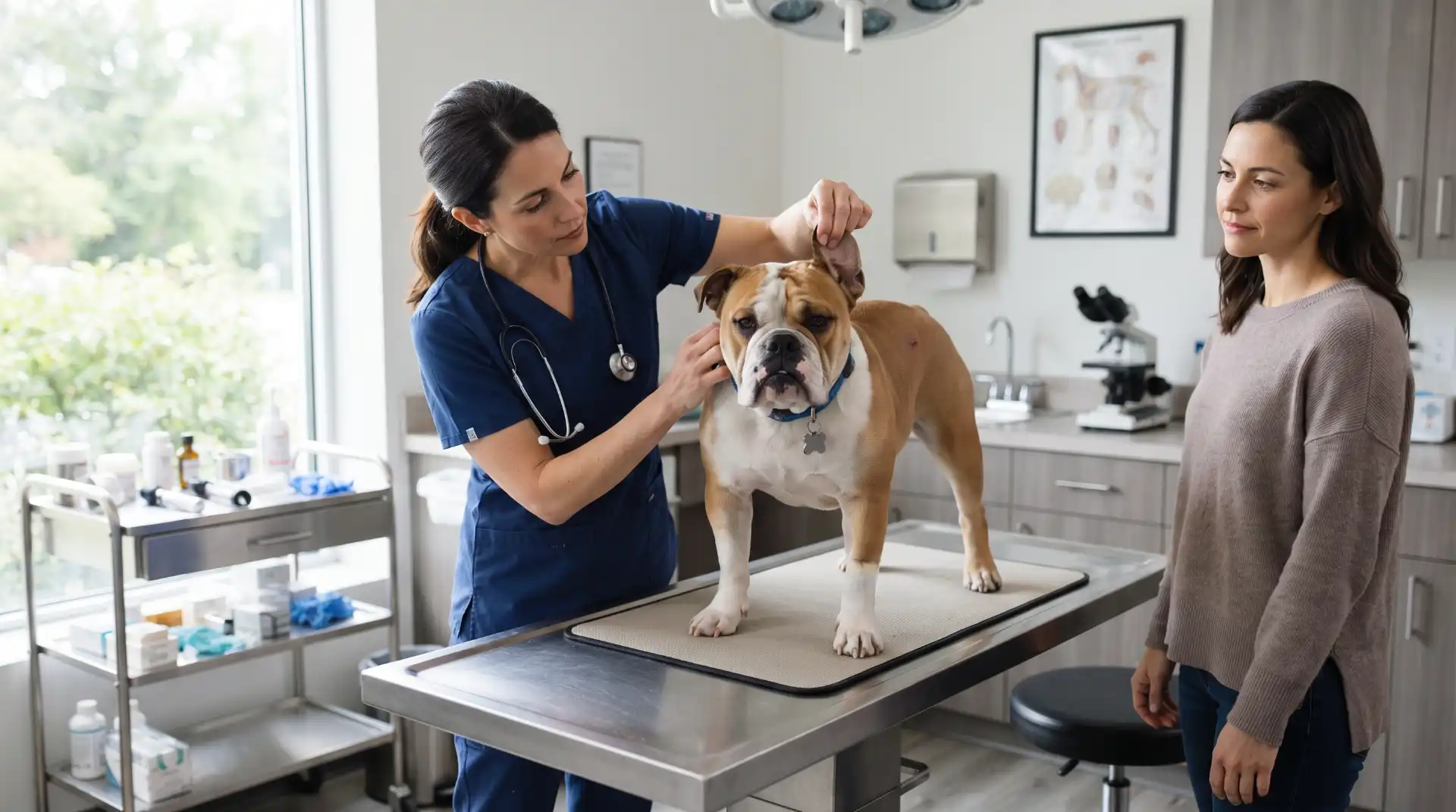
For decades, New World screwworm was something most dog owners in the United States rarely needed to think about. That changed in 2026. After being eradicated from the continental United States in the 1960s, the parasite returned to national attention as confirmed animal cases appeared in the United States and federal agencies expanded surveillance and response efforts.
For Continental Bulldog owners, the development deserves attention without causing unnecessary alarm. The U.S. Food and Drug Administration has stated that most dogs in the United States remain at low risk because of their geographic location. Risk becomes more important for dogs that live in, visit, or return from areas where New World screwworm has been detected.
Continental Bulldogs are not known to have a unique biological susceptibility to New World screwworm. However, like every dog, they can develop cuts, scrapes, irritated skin, surgical wounds, insect bites, and other areas that may attract flies. Their skin folds, ears, paws, tail area, and other difficult-to-see places also deserve regular inspection.
Understanding what New World screwworm is, what an infestation may look like, and when to contact a veterinarian can help U.S. Continental Bulldog owners respond quickly if this emerging animal-health concern reaches their area.
Why New World Screwworm Matters in the United States in 2026
New World screwworm, scientifically known as Cochliomyia hominivorax, is a parasitic fly capable of infesting warm-blooded animals. Unlike many fly larvae that consume dead or decomposing material, New World screwworm larvae feed on living tissue.
The United States eliminated New World screwworm in 1966 after an extensive eradication campaign. A localized outbreak in the Florida Keys was also eliminated in 2017. For years, the parasite remained primarily a concern for travelers, imported animals, livestock operations, and areas farther south.
The situation shifted substantially during 2025 and 2026 as the outbreak spread north through Central America and Mexico. On June 3, 2026, USDA’s Animal and Plant Health Inspection Service confirmed the first U.S. animal detection associated with the current outbreak in a calf in Zavala County, Texas.
Several additional detections followed. A case initially reported through a veterinarian in Andrews County, Texas, was later determined to involve a dog that lived in Lea County, New Mexico. USDA therefore classified it as the first confirmed New World screwworm case in New Mexico during the current U.S. response.
Because locations, surveillance zones, and case numbers can change, owners should check the USDA New World Screwworm current status page rather than relying on older social media posts or maps.
The important message for pet owners is not that every American dog is suddenly in danger. Federal agencies continue to characterize the risk for most U.S. dogs as low. Instead, owners should understand how the parasite spreads and pay closer attention to wounds, particularly when living in or traveling through affected regions.
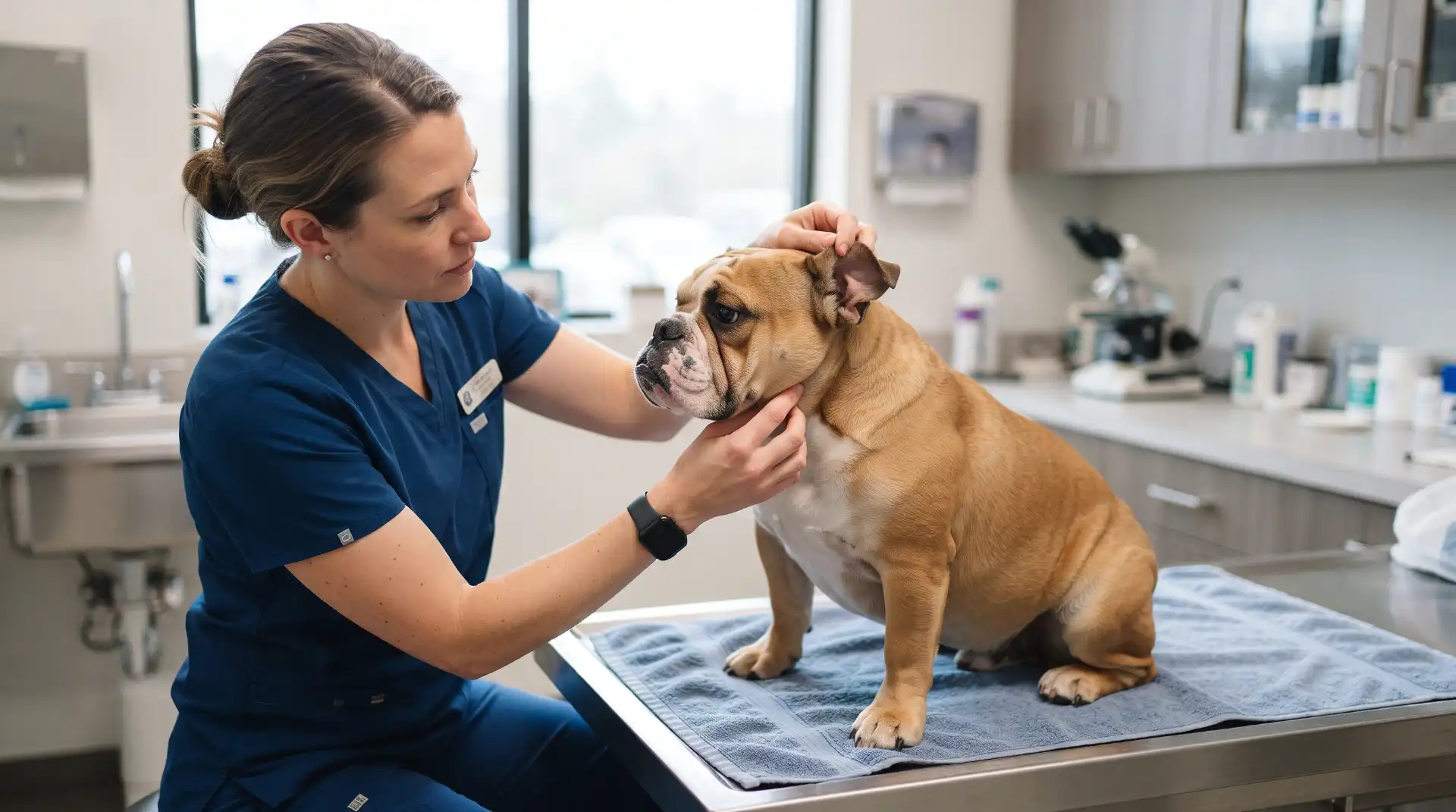
What Is New World Screwworm?
Adult New World screwworm flies are attracted to wounds, injured tissue, mucous membranes, and natural body openings. A female fly can lay eggs near these areas. After the eggs hatch, the larvae enter the wound or tissue and begin feeding.
This behavior is what makes New World screwworm significantly different from the ordinary maggots people may associate with garbage or decomposing organic material. New World screwworm larvae feed on living flesh. As more tissue becomes damaged, the wound may become larger and attract additional flies, allowing an untreated infestation to become progressively more serious.
Dogs are only one potential host. New World screwworm can affect livestock, wildlife, pets, and occasionally birds. People can also develop infestations, although human cases are much less common than animal cases.
The Centers for Disease Control and Prevention explains that flies may lay eggs around open wounds as well as openings such as the eyes, ears, nose, and mouth. This means owners should not assume that only large or dramatic injuries create potential exposure.
A tiny scratch, irritated skin, damaged paw pad, healing incision, or other compromised area deserves attention when a dog has been in a region where New World screwworm is present.
Are Continental Bulldogs at Greater Risk?
There is currently no evidence establishing Continental Bulldogs as a breed that is inherently more susceptible to New World screwworm than other dogs. Risk depends much more heavily on geographic exposure, contact with flies, and the presence of accessible wounds or irritated tissue.
Breed-specific care can still influence how easily an owner notices a problem. Continental Bulldogs typically have moderate facial folds, a muscular body, relatively short coats, and areas around the paws, ears, muzzle, and tail that should already be part of routine grooming inspections.
Skin irritation should not be ignored. Moisture trapped in folds, small scratches from outdoor activity, irritated paw pads, insect bites, and rubbing from poorly fitted equipment can create areas that need monitoring.
Our Continental Bulldog grooming guide explains why routinely checking folds, paws, ears, and other commonly overlooked areas is important even when screwworm is not a concern.
Owners should also avoid assuming that every irritated area or insect around a wound indicates New World screwworm. Many common skin conditions, infections, allergies, and ordinary flies can produce symptoms that look concerning. Veterinary evaluation is necessary when an infestation is suspected.
How Dogs Can Become Infested
A dog does not need to interact directly with an infected dog to develop New World screwworm. The parasite is transmitted through the screwworm fly’s reproductive cycle rather than through ordinary dog-to-dog contact.
The primary concern is exposure to an adult female fly when the dog has a wound or another suitable location for egg laying. Dogs spending substantial time outside in areas where New World screwworm flies are active can therefore face greater exposure than dogs living far from affected regions.
Outdoor working dogs, farm dogs, hunting dogs, dogs accompanying owners around livestock, and pets spending time in rural environments may have more opportunities for contact with flies. But a family pet can also be affected if geographic conditions and exposure are right.
Recent veterinary procedures may require additional awareness as well. A healing surgical incision should be kept clean and protected according to the veterinarian’s instructions. The same principle applies to bite wounds, abrasions, hot spots, torn nails, damaged paw pads, and other injuries.
The objective is not to keep a Continental Bulldog permanently indoors. Regular exercise and outdoor enrichment remain important. Owners simply need to become more deliberate about wound care and post-activity inspection when screwworm activity is reported in their region.
Signs of New World Screwworm in Dogs
Early detection matters because an infestation can worsen as larvae continue damaging living tissue. One of the most obvious warning signs is the presence of moving larvae in or around a wound. Owners may also notice that a previously small injury appears to be getting larger rather than healing.
A strong or unpleasant odor coming from a wound is another important warning sign. There may also be unusual drainage, bleeding, swelling, redness, or tenderness. A dog may repeatedly lick, bite, rub, or scratch the affected area because of discomfort.
Changes in behavior can accompany a serious infestation. A normally active Continental Bulldog may become restless, uncomfortable, unusually quiet, or less interested in food. More extensive tissue damage can make a dog visibly ill.
Owners should pay special attention when these signs occur after travel to or residence in an area with confirmed New World screwworm activity.
Visible maggots should never simply be dismissed as an ordinary wound problem. Different fly species can cause myiasis, and laboratory identification may be necessary to determine whether New World screwworm is responsible.
What Should You Do If You Suspect Screwworm?
A suspected New World screwworm infestation should be treated as an urgent veterinary problem. Contact your veterinarian or an emergency veterinary hospital promptly and tell the clinic that you have observed larvae or a suspicious rapidly worsening wound.
If you recently traveled with your dog, tell the veterinary team exactly where you went and when. Geographic history can help veterinarians assess the level of concern and determine whether animal-health authorities need to become involved.
Do not spend hours attempting home treatment while an infestation progresses. Owners may be tempted to pull out visible larvae and assume the problem is solved, but additional larvae can remain deeper within a wound. Professional wound assessment and treatment are important.
You should also avoid applying household pesticides, harsh chemicals, concentrated essential oils, livestock products, or medications that your veterinarian has not recommended for your dog. A product being effective against an insect does not automatically make it safe for canine skin, wounds, or ingestion.
Our first aid essentials for Continental Bulldog owners guide can help owners prepare for general emergencies, but suspected New World screwworm requires professional veterinary care rather than ordinary home first aid.
How Veterinarians Diagnose and Treat New World Screwworm
A veterinarian will examine the wound and the dog’s overall condition. When larvae are present, samples may be collected so animal-health laboratories can identify the species. Correct identification matters because confirmed New World screwworm cases can trigger state and federal animal-health response measures.
Veterinary treatment may involve addressing the infestation, removing larvae, cleaning and managing damaged tissue, controlling pain, and treating secondary complications when necessary. The precise approach depends on the severity and location of the infestation and the dog’s overall health.
Drug options have also changed during the 2026 outbreak. In June 2026, the FDA issued an Emergency Use Authorization for certain generic nitenpyram tablets for treatment of New World screwworm infestations in qualifying dogs, puppies, cats, and kittens.
On August 13, 2026, FDA issued another Emergency Use Authorization involving Simparica TRIO for treatment of New World screwworm infestations in dogs and puppies. Owners can review current information through the FDA’s New World screwworm animal-drug resources.
These authorizations should not be interpreted as a reason to diagnose or treat a suspected infestation without veterinary involvement. Emergency authorizations contain specific conditions, and the appropriate treatment depends on the individual dog.
Owners should also remember that product authorizations can change as the federal response develops. Current FDA or veterinary guidance should take priority over screenshots, older articles, or medication recommendations circulating on social media.
How to Protect Your Continental Bulldog
The most practical prevention strategy begins with wound awareness. Inspect your Continental Bulldog regularly, particularly after outdoor play, hikes, trips to rural property, or time around livestock and wildlife.
Run your hands gently over the dog’s body and look beneath areas that are easy to miss. Examine the paws and between the toes, check the belly and legs, look around the tail area, and inspect the ears and facial folds. Short coats make much of a Continental Bulldog’s body relatively easy to examine, but owners should still be systematic.
Any cut or abrasion should receive appropriate care. Keep wounds clean according to veterinary advice and prevent excessive licking when necessary. If a wound is not healing normally, develops an odor, begins draining, or appears larger, contact your veterinarian.
Good grooming also helps because routine handling makes owners more familiar with what their dog’s normal skin looks and feels like. Changes become easier to notice when you already inspect your dog regularly.
Outdoor environments should be kept reasonably clean, particularly around areas where animals spend time. Waste, soiled bedding, and poorly maintained animal areas can attract many types of flies even when New World screwworm is not present.
If state or federal animal-health authorities report screwworm activity near your home, follow their current recommendations. Risk zones and response instructions can change as surveillance identifies new cases.
Checking Your Bulldog After Outdoor Activities
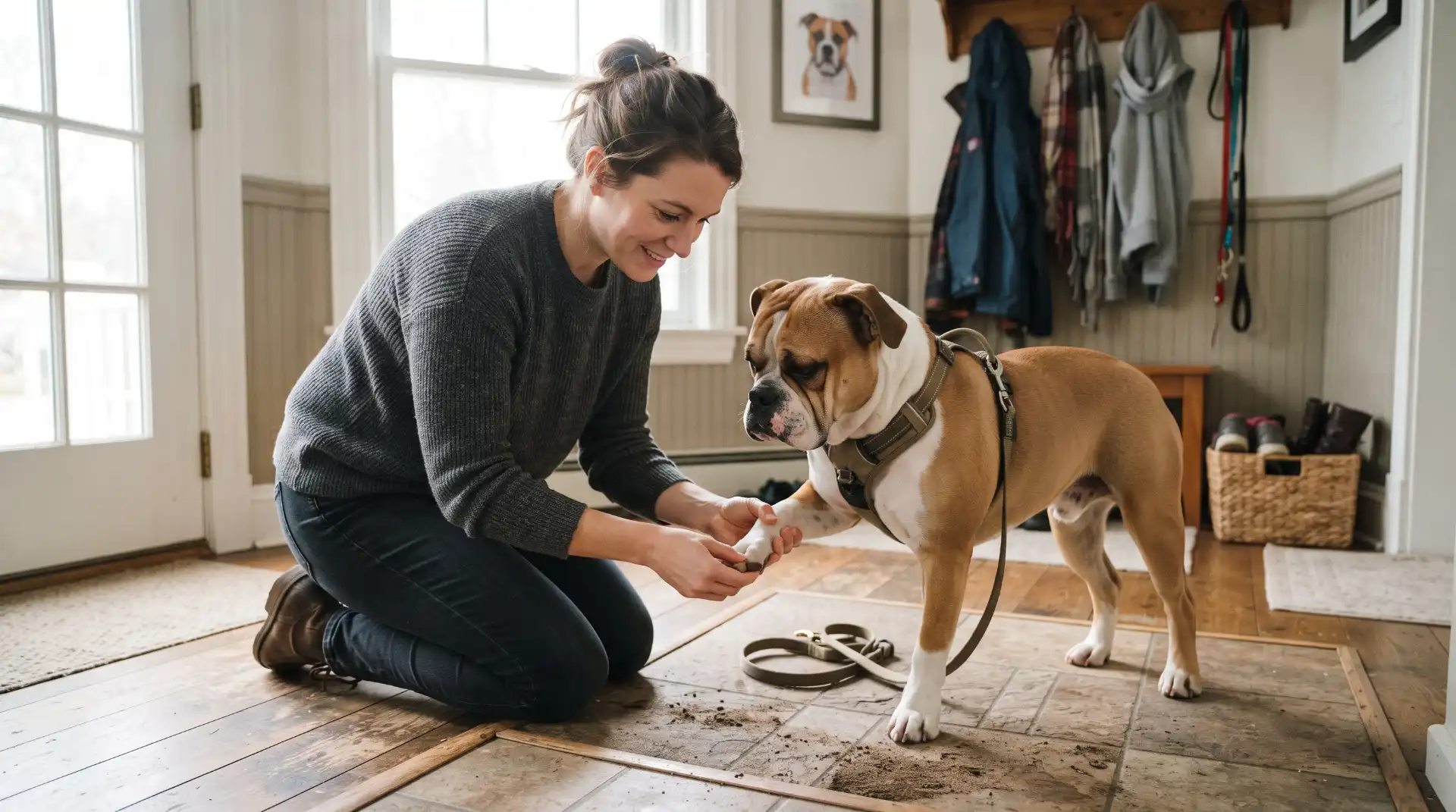
A quick inspection after walks and outdoor play can become part of the same routine as removing a leash or wiping muddy paws. It does not need to be complicated.
Start with the face and ears, then look over the neck and shoulders. Check the legs and paws for cuts, burrs, damaged nails, or abrasions. Examine the underside of the body, especially if your dog has been running through tall grass or brush. Finish by checking around the hindquarters and tail.
Watch for excessive licking during the hours after an outdoor activity. Dogs often draw attention to uncomfortable areas before owners can see what is wrong.
Continental Bulldogs that enjoy hiking, camping, ranch visits, hunting environments, or long outdoor adventures may benefit from more thorough inspections because scratches can occur without the owner noticing them immediately.
During hot weather, combine wound checks with heat-safety precautions. Continental Bulldogs are more functional than some heavily exaggerated bulldog breeds, but they can still struggle in high temperatures. Our Continental Bulldog heat safety guide covers safer exercise and outdoor routines during warm U.S. summers.
Traveling With a Continental Bulldog in 2026
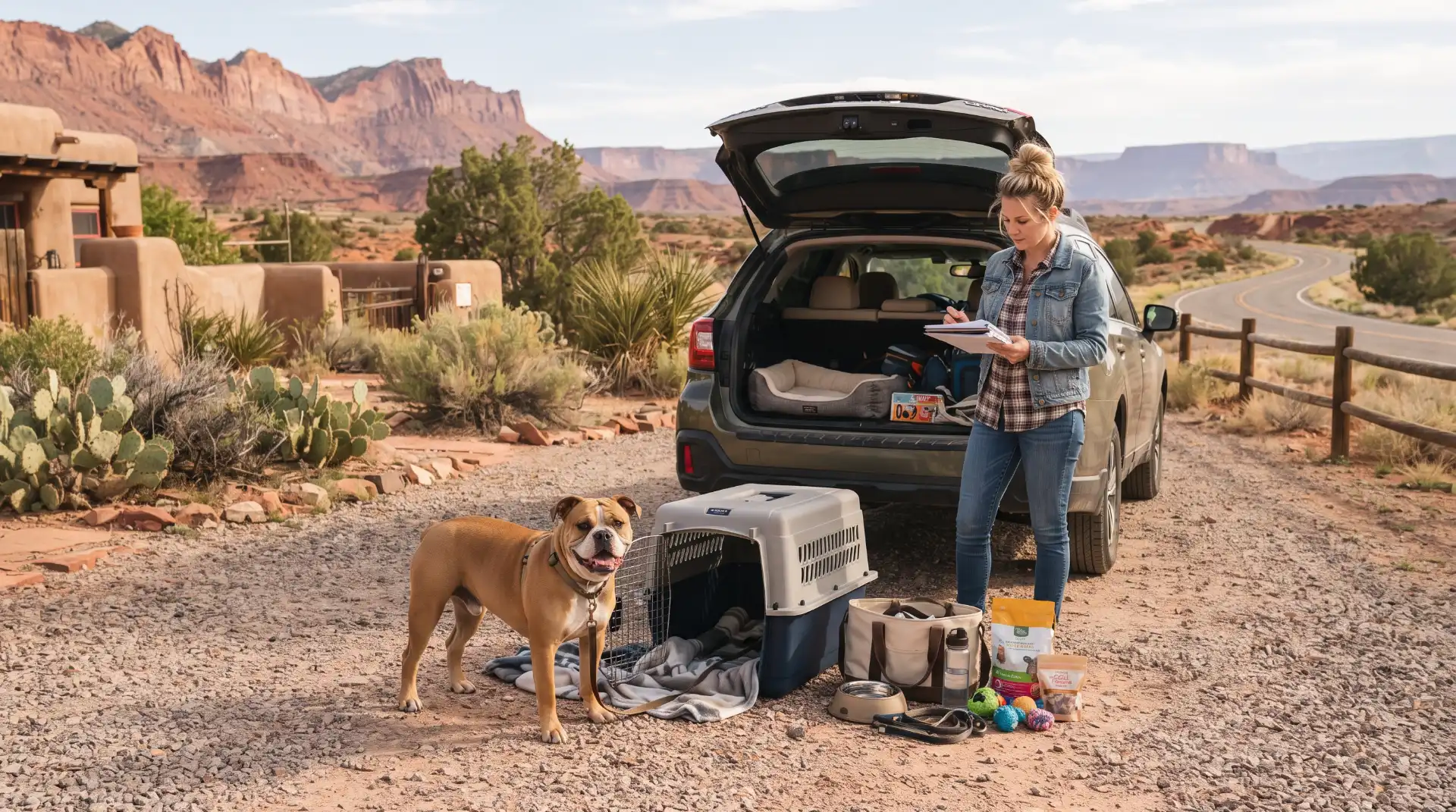
Travel is one of the most important considerations because New World screwworm activity varies geographically. Owners driving through the Southwest, visiting rural areas near affected zones, or traveling internationally should check official information shortly before departure.
Pet travel requirements involving Mexico have changed in response to the outbreak. USDA APHIS states that, effective August 3, 2026, pet dogs traveling from the United States to Mexico require a New World Screwworm Inspection Certificate signed by a USDA-accredited veterinarian and issued within the required timeframe.
Mexico’s entry rules also require attention to wounds and external parasites. Dogs returning to the United States after travel in countries considered affected by screwworm may also face USDA requirements designed to confirm that they are free of screwworm.
Because international requirements can change quickly, owners should review the USDA APHIS pet travel requirements for Mexico before each trip rather than assuming the rules from a previous vacation still apply.
A veterinary appointment shortly before international travel can help identify wounds, skin infections, or other problems that should be addressed before departure. Owners should also identify veterinary clinics along their route, particularly during longer trips through regions where animal-health alerts are active.
What Owners in Texas, New Mexico, and the Southwest Should Know
Continental Bulldog owners in the Southwest have more reason to follow 2026 developments closely because initial U.S. detections have involved Texas and New Mexico.
This does not mean every dog living in these states is at high risk. Exposure can vary significantly by county, local surveillance area, season, animal movement, and ongoing federal response operations. USDA and state animal-health agencies maintain more specific information about confirmed detections and control zones.
If you live in an area under active surveillance, pay close attention to communications from state veterinarians, USDA APHIS, and your local veterinary clinic. Owners with livestock or other animals should be especially careful because the parasite can affect many warm-blooded species.
When traveling within the region, inspect your Continental Bulldog each day rather than waiting until you return home. Early recognition of a wound is easier than dealing with a problem that has gone unnoticed for several days.
How the United States Is Responding
The federal response extends far beyond treating individual animals. USDA has used surveillance, movement controls, trapping, public outreach, and sterile insect releases as part of its New World screwworm strategy.
The sterile insect technique has an important history in U.S. screwworm eradication. Large numbers of sterile male flies are released into targeted areas. When sterile males mate with wild female screwworm flies, viable offspring are not produced, helping suppress the population over time.
This method was central to the original U.S. eradication program and remains a major component of modern response efforts. USDA has continued adjusting sterile fly release areas in response to surveillance information and the geographic movement of the outbreak.
For dog owners, the federal response provides an important reason to rely on official updates. A viral social media post showing an old map may no longer accurately represent current risk. USDA’s live information is more useful when deciding whether a location has recent confirmed detections.
Could an Indoor Continental Bulldog Get Screwworm?
An indoor dog generally has less exposure to outdoor flies than a dog spending most of the day outside, but living indoors does not create absolute protection. Dogs still go outside for walks, bathroom breaks, exercise, veterinary appointments, travel, and recreation.
Risk depends on whether New World screwworm flies are present and whether they have access to a suitable wound or body opening. An indoor lifestyle should therefore complement routine wound inspection rather than replace it.
Can a Tiny Cut Be a Problem?
Potentially. Screwworm flies can be attracted to relatively small wounds. Owners should not assume that only major traumatic injuries matter.
At the same time, there is no reason to panic every time your dog has a small scrape. Clean and monitor minor injuries appropriately, and contact your veterinarian if a wound worsens, develops unusual discharge or odor, attracts larvae, or does not heal as expected.
Can New World Screwworm Spread From a Dog to a Person?
New World screwworm is not primarily spread through ordinary physical contact with an infested dog. Both animals and people can become hosts when screwworm flies lay eggs in suitable wounds or body openings.
The CDC has reported that human infestation is possible, although the risk to the U.S. public has remained low during the current response. Anyone who believes they have a suspicious wound with larvae should seek medical care and follow current public-health guidance.
Should Owners Start Giving Preventive Medication?
Do not start or change medication solely because New World screwworm is in the news. FDA emergency authorizations apply to specific products, circumstances, species, and uses. A drug authorized for treatment should not automatically be assumed to provide routine prevention in every dog.
Your veterinarian can review your dog’s location, travel plans, parasite-control program, health history, age, weight, and existing medications before recommending any changes.
Staying Alert Without Panicking
New World screwworm deserves attention because it can cause severe tissue damage when an infestation is allowed to progress. The return of confirmed cases to the United States in 2026 is significant, particularly after decades in which most American pet owners never encountered the parasite.
But context matters. Federal health authorities have emphasized that most dogs in the United States remain at low risk. Geography, travel, outdoor exposure, and wounds are much more meaningful risk factors than simply owning a Continental Bulldog.
The best response is practical awareness. Know what normal skin looks like on your dog. Inspect wounds. Keep minor injuries clean. Pay attention to rapidly worsening wounds, foul odors, unusual drainage, or visible larvae. Follow official USDA updates when traveling or living near affected areas, and involve a veterinarian quickly whenever screwworm is suspected.
Continental Bulldogs benefit from owners who already pay close attention to grooming, skin condition, exercise, and general health. Adding a brief wound inspection to that routine is a simple adjustment that can provide additional protection while the 2026 New World screwworm situation continues to develop.
This article provides general educational information for U.S. Continental Bulldog owners and does not replace veterinary diagnosis or treatment. Contact a licensed veterinarian promptly if you suspect New World screwworm or another serious wound infestation.