
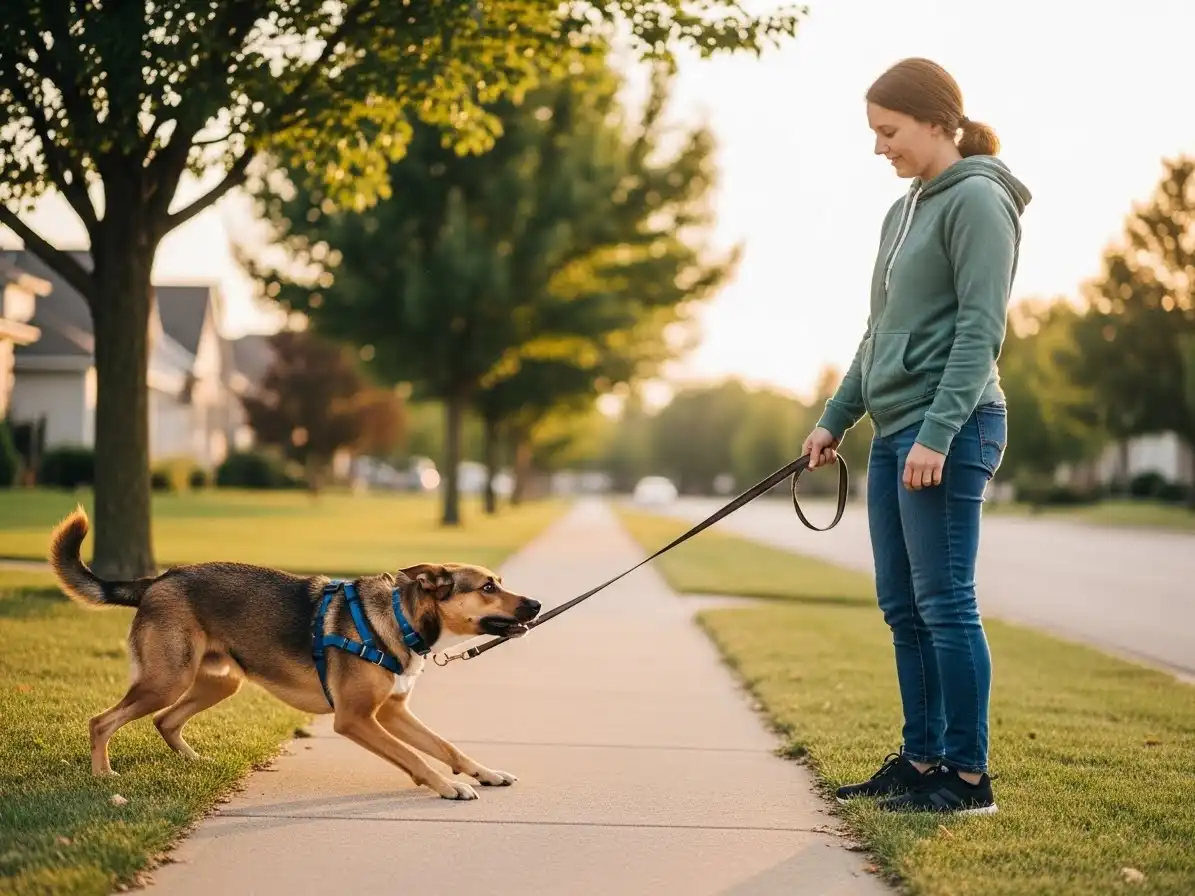
Walking your dog should be an enjoyable bonding experience, but for many dog owners, leash pulling can turn a simple walk into a frustrating struggle. Whether your dog is a rambunctious puppy eager to explore the world or an adult dog who has developed a habit of pulling, leash pulling is a common behavior that many dog owners face.
Fortunately, this behavior can be corrected with the right techniques, consistency, and a bit of patience. In this comprehensive guide, we will explore several effective, U.S.-based trainer-recommended techniques to stop leash pulling and help make walks a pleasant experience for both you and your dog.
We’ll cover understanding why leash pulling happens, step-by-step training techniques, tips for success, and how to ensure long-term results. By the end of this post, you’ll have a solid foundation to transform your walks into enjoyable, controlled outings.
Why Does Your Dog Pull on the Leash?
Before jumping into the solutions, it’s important to understand the root causes of leash pulling. By identifying why your dog pulls, you’ll be able to tailor your approach to address the underlying behavior.
Here are some common reasons why dogs pull on their leash:
- Excitement: Dogs, especially puppies and young dogs, are often excited to explore new environments. When they see something they want to approach (a scent, another dog, or a new area), they may pull towards it eagerly.
- Lack of Training: If a dog has not been trained to walk politely on a leash, they may start pulling simply because they don’t know any better. Without guidance, they’ll use pulling as a way to get where they want to go.
- Rewarded Behavior: If your dog has learned that pulling helps them reach their destination quicker, they may continue the behavior. For instance, if you’ve allowed your dog to pull toward a park or another dog in the past, they will associate pulling with getting what they want.
- Discomfort: Sometimes dogs pull due to discomfort. If a collar is too tight or painful, they may instinctively pull away to relieve the pressure.
- Fear or Anxiety: Dogs may pull if they’re anxious or fearful. Whether it’s a loud environment or a scary experience, they might tug on the leash to get away from something or get closer to something that makes them feel safer.
Trainer-Recommended Techniques for Stopping Leash Pulling
1. Positive Reinforcement
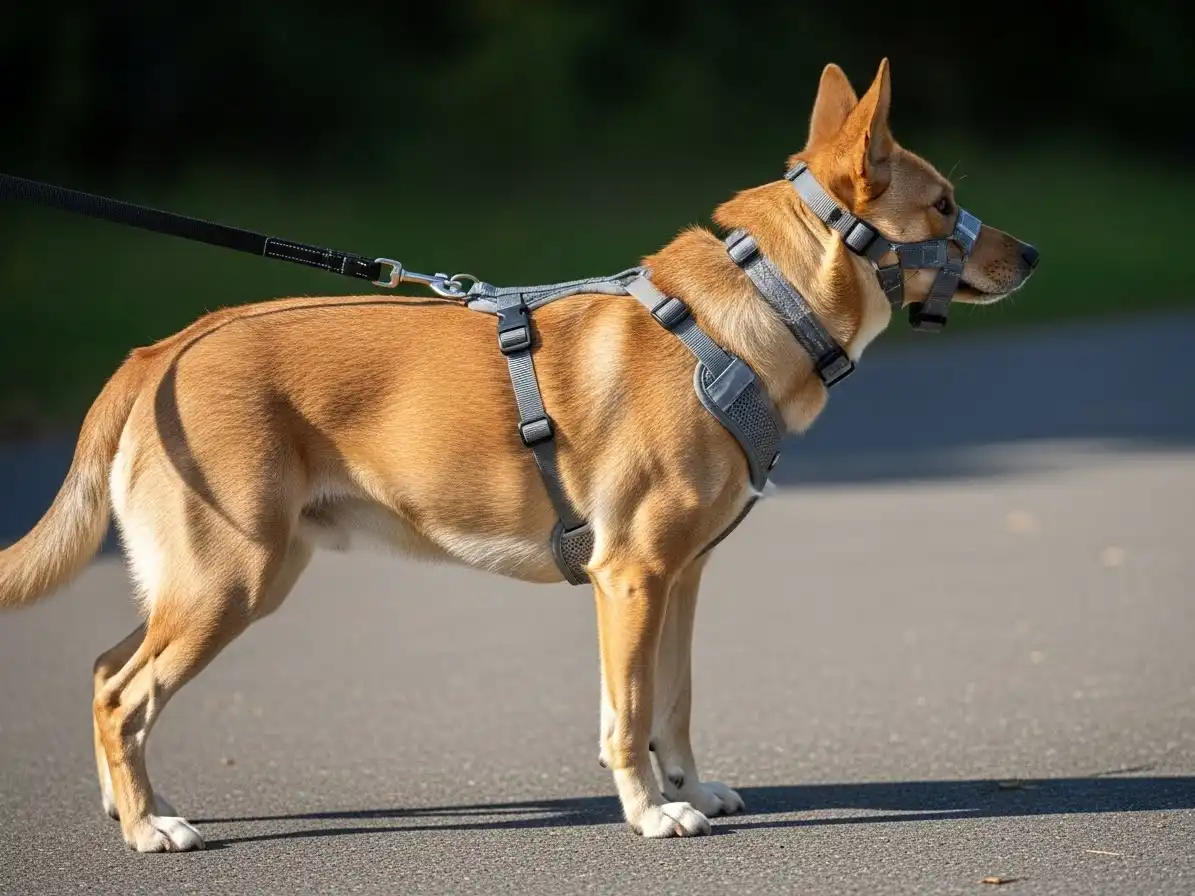
Positive reinforcement is one of the most effective and humane ways to correct leash pulling. By rewarding your dog for walking nicely beside you, you’re encouraging the behavior you want. U.S. trainers emphasize the importance of rewards that are immediate and effective.
How to Use Positive Reinforcement:
- Reward calm walking: Every time your dog walks calmly next to you, immediately reward them with praise, treats, or even a toy. This creates a positive association with walking on a loose leash.
- Consistency is key: Consistently reward your dog for walking without pulling. If your dog pulls and you continue walking, they’ll think pulling is an acceptable behavior. Only reward calm walking.
- Timing matters: It’s important to reward your dog at the right moment. As soon as the leash is loose and your dog is walking nicely, praise them immediately. If you wait too long, they may not understand what they are being rewarded for.
- Gradual increases: Start in a quiet, distraction-free area before progressing to more challenging environments like busy streets or parks.
Positive reinforcement is not only effective but builds a deeper connection between you and your dog.
2. The Stop-and-Go Method
One of the simplest and most effective techniques to stop leash pulling is the stop-and-go method. This method teaches your dog that pulling will not get them anywhere, while walking calmly will help them continue their walk.
How to Use the Stop-and-Go Method:
- Start walking: Begin walking with your dog on a leash.
- Stop when they pull: As soon as your dog begins pulling, stop walking immediately. This signals to your dog that pulling will not get them what they want.
- Wait for calmness: Wait for your dog to stop pulling and the leash to become loose. You can use this time to practice patience, and remember, the goal is to get your dog to calm down and understand that the leash needs to be loose for movement.
- Continue walking: Once your dog is calm and the leash is slack, continue walking. Reward them for walking calmly.
- Be patient: The stop-and-go method may take time, especially for dogs who have developed a strong pulling habit. But over time, your dog will learn that pulling stops the walk, while loose leash walking leads to progress.
3. Front-Clip Harnesses and Leash Attachments
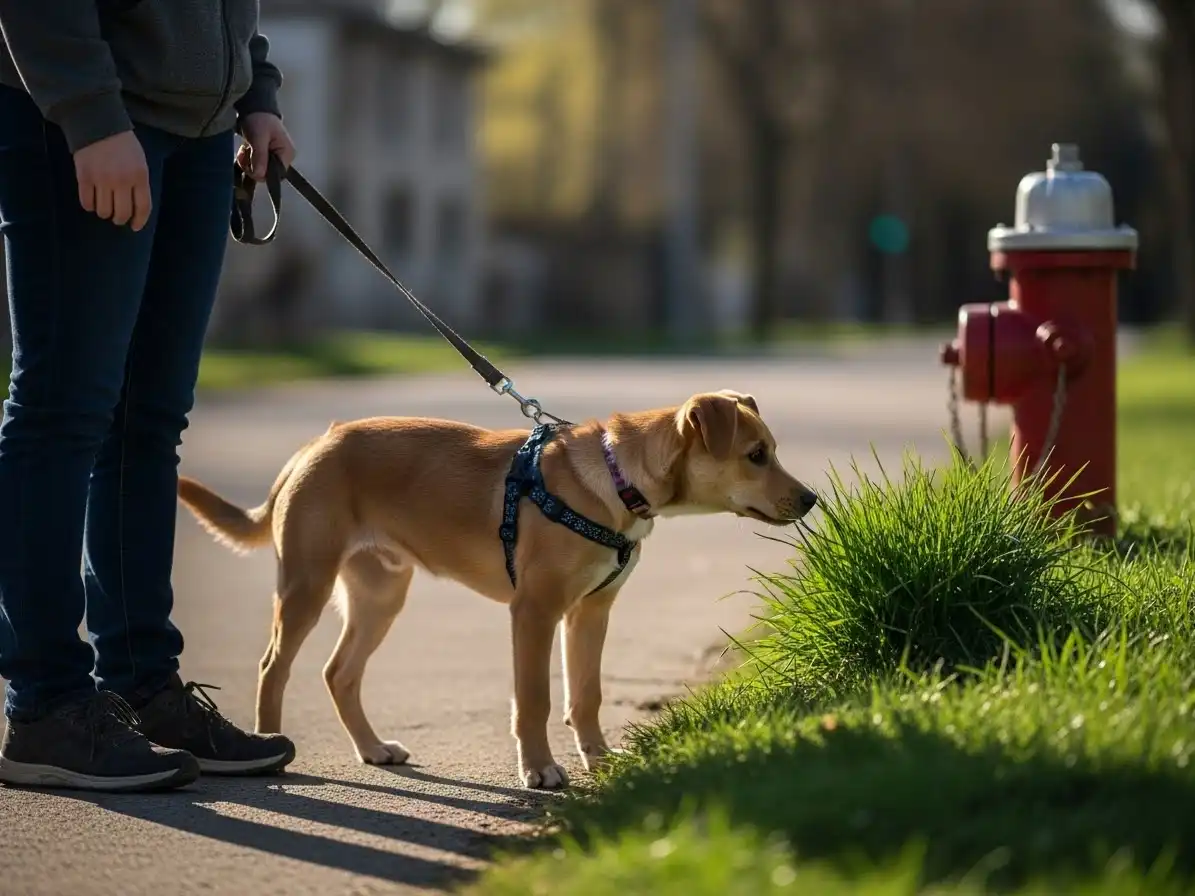
For some dogs, using a standard collar or harness can exacerbate pulling behavior, especially for brachycephalic breeds like Bulldogs. A front-clip harness is a great tool that U.S. trainers recommend to reduce pulling.
Benefits of Front-Clip Harnesses:
- Reduces pulling: Unlike back-clip harnesses, which can encourage pulling, a front-clip harness redirects your dog’s attention to the side, discouraging pulling behavior.
- More control: Front-clip harnesses provide better control by allowing you to steer your dog’s body away from distractions.
- Comfort: These harnesses are designed to distribute pressure across your dog’s chest, preventing strain on their neck or spine. This is particularly important for small-breed dogs or those with respiratory issues.
While front-clip harnesses alone won’t solve the problem, they can be an excellent addition to other training methods.
4. Loose Leash Walking
The ultimate goal in leash training is to teach your dog how to walk on a loose leash. A loose leash means the leash is neither taut nor slack but hangs in a relaxed manner.
Steps to Teach Loose Leash Walking:
- Start in a quiet space: Begin in an area with minimal distractions so your dog can focus on the walk and you.
- Reward loose leash behavior: As soon as your dog is walking calmly with a loose leash, immediately reward them with a treat, praise, or affection. The key is to reward when the leash is loose.
- Stop when pulling occurs: If your dog pulls, stop and wait for them to return to you or calm down. Avoid jerking or pulling on the leash, as this can encourage further pulling.
- Gradually add distractions: Once your dog masters loose leash walking in a controlled environment, increase the difficulty by walking in areas with more distractions, like parks or busy streets.
Loose leash walking takes time and patience, but with consistency, it can be one of the most effective ways to end leash pulling.
5. The Turn-and-Walk Method
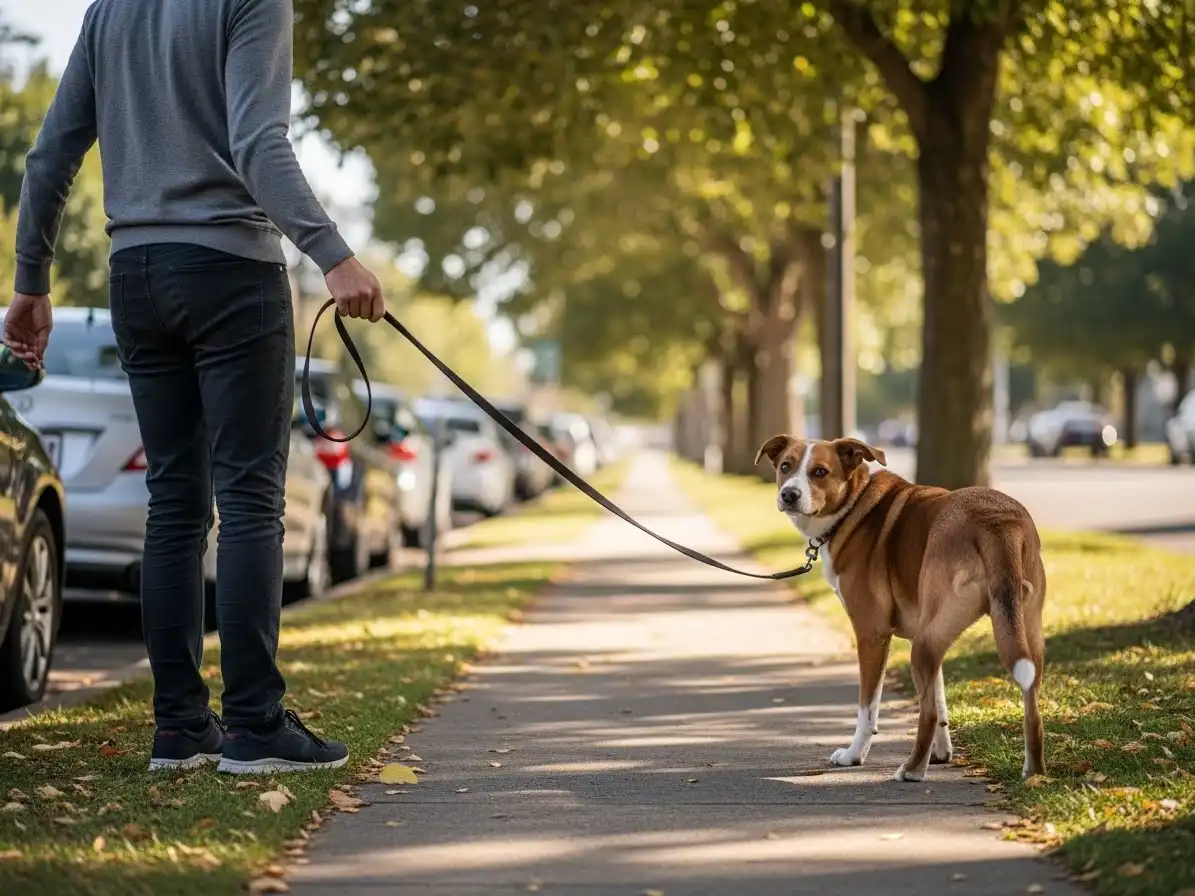
The turn-and-walk method involves changing direction whenever your dog pulls, redirecting their focus and breaking their pattern of pulling. This method is excellent for dogs who have learned to ignore their handler during walks.
Steps for the Turn-and-Walk Method:
- Start walking: Begin your walk as usual.
- Turn when they pull: As soon as your dog starts pulling, turn around and walk in the opposite direction. Make the turn quickly and assertively, as this will catch your dog’s attention.
- Reward attention: When your dog follows you, reward them with praise or a treat.
- Repeat as necessary: Each time your dog pulls, repeat the process of turning and walking. Over time, your dog will learn that pulling leads to abrupt changes in direction, and walking calmly next to you will get them where they want to go.
This method helps break the cycle of pulling and gives your dog a new way of understanding the walk.
6. Seek Professional Help When Necessary
If you’ve tried several techniques and still find yourself struggling with leash pulling, it may be helpful to seek professional help from a certified dog trainer. A professional can assess your dog’s behavior and provide tailored training solutions to address their specific needs.
Many trainers offer personalized sessions that focus on leash training, helping you and your dog work together more effectively. Trainers also offer valuable guidance on correcting other behavioral issues, like anxiety or distraction, that may be contributing to leash pulling.
Conclusion
Leash pulling doesn’t have to be a frustrating part of walking your dog. With patience, consistency, and the right techniques, you can help your dog learn proper leash manners and transform your walks into enjoyable outings. The key is to find the right combination of methods that work for both you and your dog, keeping training positive and reinforcing good behavior every step of the way.