
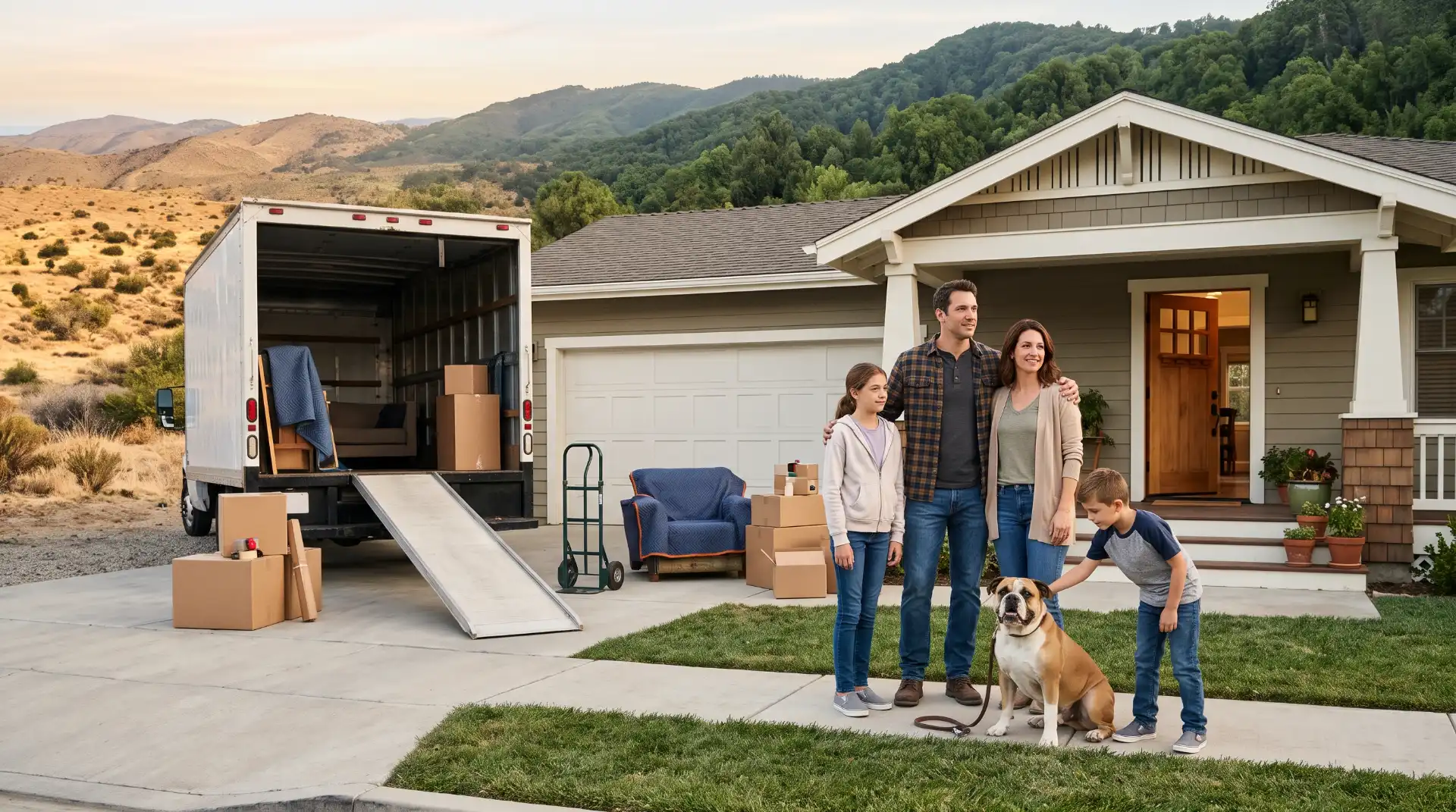
Climate change is influencing how Americans think about where they live, work, travel, and raise their families. Rising temperatures, prolonged droughts, changing rainfall patterns, wildfires, coastal flooding, and increasingly challenging weather conditions are becoming important considerations in residential decisions. For some households, these environmental pressures may eventually influence whether they remain in their current communities or relocate to different parts of the United States.
However, people are not the only members of a household affected by these decisions. Millions of American families share their homes with dogs, and relocating with a companion animal involves responsibilities that extend beyond transportation and finding pet-friendly accommodation. A dog’s health, physical characteristics, exercise requirements, and ability to remain comfortable in a different environment must also be considered.
This creates an interesting connection between climate migration and dog breeds. Could changing weather patterns influence which breeds become popular in different American states? Might families relocating from extremely hot regions begin prioritizing different canine characteristics? Could households moving into colder environments become more interested in breeds traditionally associated with winter conditions?
The relationship is more complicated than simply matching short-haired dogs with hot states and thick-coated dogs with cold states. Dogs have individual health requirements, and their ability to tolerate environmental conditions depends on much more than coat length. Nevertheless, changing regional weather patterns could influence adoption decisions, breeding preferences, veterinary recommendations, and the way families organize their lives around their pets.
Climate migration may not immediately transform the American dog population, but it could gradually change where certain breeds are kept and how future owners evaluate their suitability for different environments.
Understanding these possibilities can help families make better decisions when relocating, adopting another dog, or planning for the long-term health of an existing companion.
Understanding Climate Migration and Its Connection to American Pet Ownership
Climate migration describes the movement of people away from locations where environmental changes, natural hazards, or declining access to essential resources influence their ability or willingness to remain.
Unlike traditional relocation driven mainly by employment, education, or family relationships, climate-related movement can involve several environmental pressures simultaneously. A household might reconsider living near a coastline because of repeated flooding, while another family may become concerned about wildfire exposure, prolonged drought, or extreme summer temperatures.
Climate migration does not always mean moving hundreds or thousands of miles. Some households relocate to neighboring communities, move from rural areas into cities, or transition from coastal neighborhoods to inland properties. Others may temporarily evacuate because of wildfires, hurricanes, or flooding before eventually deciding to establish a permanent residence somewhere else.
These decisions can affect companion animals because dogs are generally considered members of the family. Owners who relocate must determine whether their pets can comfortably adapt to the destination’s climate, housing arrangements, and everyday routines.
Why Changing Weather Patterns May Influence Where Families Live
The United States has substantial regional climate differences. Arizona and Nevada experience intense desert heat, while Florida and Louisiana combine high temperatures with significant humidity. Washington and Oregon face wildfire-related challenges in some communities, while parts of the Midwest and Northeast experience combinations of severe storms, heavy rainfall, winter weather, and summer heat.
The Fifth National Climate Assessment explains that human-caused climate change is influencing several types of extreme weather, including heat, heavy precipitation, flooding, drought, and wildfire. Its findings also emphasize that climate-related impacts vary across different American regions.
Families can consult the Fifth National Climate Assessment to understand broader environmental trends and regional climate risks.
Environmental conditions do not automatically force people to relocate. Financial resources, employment opportunities, housing availability, insurance costs, family responsibilities, and personal preferences all influence residential decisions.
Nevertheless, repeated environmental disruptions can make some communities more difficult or expensive to live in. A family dealing with recurring wildfire evacuations may begin considering a different location. Homeowners experiencing repeated flooding may look for properties with lower exposure to water-related hazards. Households living through prolonged summer heat may prioritize regions where outdoor activities are easier to maintain.
When these families relocate, their dogs become part of the decision-making process.
Why Dogs Are Particularly Affected by Relocation
Dogs depend on their owners to provide appropriate shelter, exercise, nutrition, veterinary attention, and protection from environmental hazards. A change in location can affect every part of this routine.
A dog accustomed to mild coastal weather may experience significantly hotter conditions after moving to an inland community. Another dog relocating from a warm southern state to Minnesota may suddenly encounter freezing temperatures, snow-covered sidewalks, and unfamiliar winter hazards.
Housing arrangements can also change. A family moving from a large suburban property into an apartment may have less outdoor space. Another household may relocate to a rural property where wildlife exposure, unfamiliar parasites, and longer distances to veterinary clinics become important considerations.
These adjustments do not necessarily mean that the existing dog cannot adapt. In many cases, appropriate management allows dogs to live comfortably in a wide range of environments.
However, relocation can influence the family’s preferences when choosing another pet in the future. Owners may become more interested in manageable exercise requirements, functional breathing, appropriate body structure, and physical characteristics that suit their new surroundings.
This is one way climate migration could gradually influence dog breed popularity.
Could Climate Migration Change Which Dog Breeds Americans Prefer?
Dog breed popularity is influenced by numerous factors, including appearance, temperament, social media exposure, celebrity ownership, housing trends, and cultural preferences.
Climate is unlikely to become the only deciding factor. Nevertheless, environmental conditions can influence the practical responsibilities associated with particular breeds.
For example, a household moving into an extremely hot region may pay closer attention to respiratory health and heat tolerance. A family relocating to a colder state might consider coat characteristics, body size, and winter exercise requirements.
The important distinction is that no breed is automatically suitable or unsuitable for an entire climate region. Individual health, age, body condition, breathing efficiency, and the availability of appropriate indoor environments matter considerably.
Short-Coated Dogs and Warmer Climates
Short-coated breeds sometimes attract interest from families living in warmer regions because their grooming requirements can be relatively manageable.
Greyhounds, Whippets, Boxers, and various short-haired terriers are examples of dogs with relatively short coats.
However, short hair does not guarantee heat tolerance. A short-coated dog can still experience overheating, dehydration, and heatstroke.
Body structure is particularly important. Greyhounds have relatively lean bodies and limited natural insulation against cold weather. Boxers have shortened facial structures that can create additional respiratory challenges during hot conditions.
Families relocating to Arizona, Texas, Nevada, or Southern California should therefore evaluate individual health characteristics instead of assuming that short-coated breeds are automatically appropriate for extreme heat.
A dog’s exercise requirements must also be considered. Some short-coated breeds are highly energetic and need substantial physical activity, which can become more difficult to schedule during prolonged summer heat.
Double-Coated Dogs and Changing Seasonal Conditions
Double-coated breeds have an outer coat and an insulating undercoat that help protect their bodies from environmental conditions.
Examples include Siberian Huskies, Alaskan Malamutes, Golden Retrievers, German Shepherds, and many other working and companion breeds.
These dogs may be associated with colder environments, but their coats are not simply a disadvantage during warm weather. A healthy double coat provides insulation and helps protect the skin from environmental exposure.
Shaving a double-coated dog is not a universal solution to summer heat and can interfere with the coat’s protective functions.
Instead, responsible care involves regular brushing, access to fresh water, appropriate indoor cooling, and adjustments to outdoor exercise.
Families relocating from cooler northern states to warmer regions may need to become more attentive to these requirements.
Small Companion Breeds and Changing Housing Preferences
Climate migration can also influence the types of housing families choose.
Some households relocating to cities may move into smaller apartments or townhouses. Others may select properties closer to employment opportunities, public transportation, or essential services.
These changes can make small companion breeds attractive to certain households.
Chihuahuas, Maltese, Yorkshire Terriers, and Toy Poodles are examples of breeds that can adapt to many apartment environments when their exercise, training, and social needs are properly addressed.
However, smaller dogs are not automatically easier to care for. Some have substantial grooming requirements, high energy levels, or inherited health concerns.
They may also be more vulnerable to cold temperatures because of their smaller body size.
Responsible owners should evaluate the individual dog’s needs rather than choosing a breed simply because it appears convenient for apartment living.
Mixed-Breed Dogs and Individual Climate Adaptability
Mixed-breed dogs may also become attractive to families relocating between different climate regions.
Their physical characteristics can vary considerably, depending on their ancestry. Some have short coats, others have dense coats, and their body sizes and exercise requirements can differ widely.
However, mixed breeding does not automatically produce greater environmental adaptability or eliminate inherited health concerns.
A mixed-breed dog can still have respiratory problems, joint conditions, or limited tolerance for extreme temperatures.
The best approach is to evaluate the actual dog rather than relying on assumptions about its ancestry.
Shelters and rescue organizations can help prospective owners understand a dog’s known medical history, temperament, activity level, and individual care requirements.
How Different American Climate Regions Could Influence Dog Ownership
Climate migration could have different implications depending on where families move.
The environmental conditions of the Southwest are not the same as those of the Pacific Northwest, Southeast, Midwest, or Northeast. Consequently, the practical needs of dogs can vary considerably between destinations.
The Southwest: Extreme Heat, Drought, and Indoor Cooling
Arizona, Nevada, New Mexico, and parts of California and Texas experience prolonged periods of high temperatures.
For dog owners, extreme heat can influence daily exercise schedules, access to outdoor spaces, transportation arrangements, and housing preferences.
A family relocating from Pennsylvania to Phoenix, for example, may discover that its previous afternoon walking routine is no longer appropriate.
Instead, the household may need to schedule walks during cooler periods, provide indoor enrichment, and monitor ground temperatures before taking the dog outside.
Air conditioning can become an important consideration when choosing a new home.
Families should also understand that nighttime temperatures may remain uncomfortable during certain heat waves. Moving outdoor exercise to the evening does not automatically make conditions safe.
Which Dogs May Need Additional Attention?
Dogs with shortened facial structures can face particular challenges in hot environments.
Bulldogs, French Bulldogs, Pugs, Boston Terriers, and some Boxers may have restricted airflow that makes effective cooling through panting more difficult.
Older dogs, overweight animals, and pets with existing respiratory or cardiovascular conditions may also require additional precautions.
Families should discuss these risks with their veterinarians before relocating.
A dog that appears comfortable during a short morning walk may struggle when exposed to higher temperatures, humidity, or strenuous activity.
Why Indoor Living May Become More Important
In extremely hot regions, a comfortable indoor environment is an important part of responsible dog ownership.
Families should consider whether their new homes have dependable cooling, appropriate ventilation, and comfortable resting areas.
Outdoor yards may be less useful during the hottest months if direct sunlight and heated surfaces make prolonged outdoor activity unsafe.
Consequently, properties with efficient cooling systems and convenient access to shaded walking areas may become more attractive to households with dogs.
The Pacific Northwest: Wildfire Smoke and Unpredictable Outdoor Activities
Washington and Oregon attract families interested in forests, mountains, coastal environments, and outdoor recreation.
However, wildfire smoke can affect air quality far beyond the immediate fire area.
For dog owners, this creates concerns that extend beyond direct exposure to flames.
Smoke may irritate the respiratory system, and animals with existing breathing or cardiovascular problems may need additional protection.
Families relocating to the Pacific Northwest for its outdoor lifestyle should understand that some periods may require changes to normal exercise routines.
A household that regularly hikes with its dog may need to replace outdoor activities with indoor enrichment when air quality becomes unhealthy.
Scent games, obedience training, food puzzles, and short indoor play sessions can help provide stimulation when outdoor exercise is restricted.
The destination’s wildfire history, evacuation arrangements, and availability of veterinary services should also be considered before relocation.
The Southeast: Heat, Humidity, Hurricanes, and Heavy Rainfall
Florida, Georgia, Louisiana, Alabama, Mississippi, and the Carolinas experience hot summers and substantial humidity.
Humidity is particularly important for dogs because it can reduce the effectiveness of evaporative cooling through panting.
Dogs do not cool themselves in the same way humans do. Their ability to release excess body heat depends heavily on respiratory processes, making hot and humid conditions especially challenging.
Families relocating from dry western states to Florida may need to adjust their expectations about outdoor activities.
Even when the air temperature appears manageable, high humidity can increase the difficulty of exercise.
Hurricanes and tropical storms introduce additional responsibilities.
Pet owners should understand local evacuation procedures, identify pet-friendly accommodation, and prepare emergency transportation arrangements.
These preparations are especially important for households with large dogs that may face restrictions at temporary shelters or rental properties.
California: Wildfires, Heat Waves, and Regional Relocation
California offers an interesting example of how environmental conditions can influence pet ownership without requiring families to leave their state.
The state contains coastal communities, desert environments, mountain regions, agricultural valleys, and densely populated metropolitan areas.
A family moving from San Francisco to an inland community may experience significantly hotter summers. Another household relocating from Northern California to San Diego may encounter different combinations of temperature, humidity, housing availability, and outdoor recreation opportunities.
Wildfire exposure and prolonged dry conditions can also influence where families want to establish long-term homes.
For dog owners, these differences may require changes to walking schedules, cooling arrangements, grooming routines, and emergency planning.
Households should consider evacuation access, pet-friendly temporary accommodation, and nearby emergency veterinary facilities when evaluating potential destinations.
The Midwest and Northeast: Winter Weather, Flooding, and Seasonal Extremes
The Midwest and Northeast experience considerable seasonal variation.
Depending on the location, families may encounter snowstorms, freezing rain, severe thunderstorms, flooding, summer heat waves, and rapidly changing temperatures.
Dogs moving into colder regions may need additional protection against icy sidewalks, road salt, and prolonged exposure to freezing conditions.
Small dogs and short-coated breeds may benefit from appropriately fitted winter clothing during outdoor activities.
However, dogs with dense coats also need protection from severe cold, ice accumulation, and dangerous weather exposure.
Flooding presents another concern. Heavy rainfall can contaminate standing water and introduce environmental hazards that may affect pets.
Families should learn about local flood risks and avoid allowing dogs to drink from or play in potentially contaminated water after storms.
How Continental Bulldogs May Be Affected by Climate Migration
Continental Bulldogs offer an interesting example of how environmental changes could influence future breed preferences.
The breed is associated with a muscular build, an affectionate personality, and an emphasis on more functional physical characteristics than some traditional bulldog types.
These qualities can appeal to families looking for a companion that enjoys spending time with its owners, participating in everyday activities, and living as part of a household.
However, Continental Bulldogs are not immune to environmental challenges. Individual breathing function, body condition, exercise tolerance, and overall health remain important considerations, particularly when families relocate to regions with prolonged heat or high humidity.
Moving a Continental Bulldog to a Hotter State
Consider a family moving from Oregon to Arizona with an adult Continental Bulldog.
In Oregon, the dog may have become accustomed to regular neighborhood walks, outdoor play, and relatively moderate summer temperatures. After relocating, the family may encounter prolonged periods when afternoon temperatures make those activities uncomfortable or unsafe.
The household will need to adjust its routine.
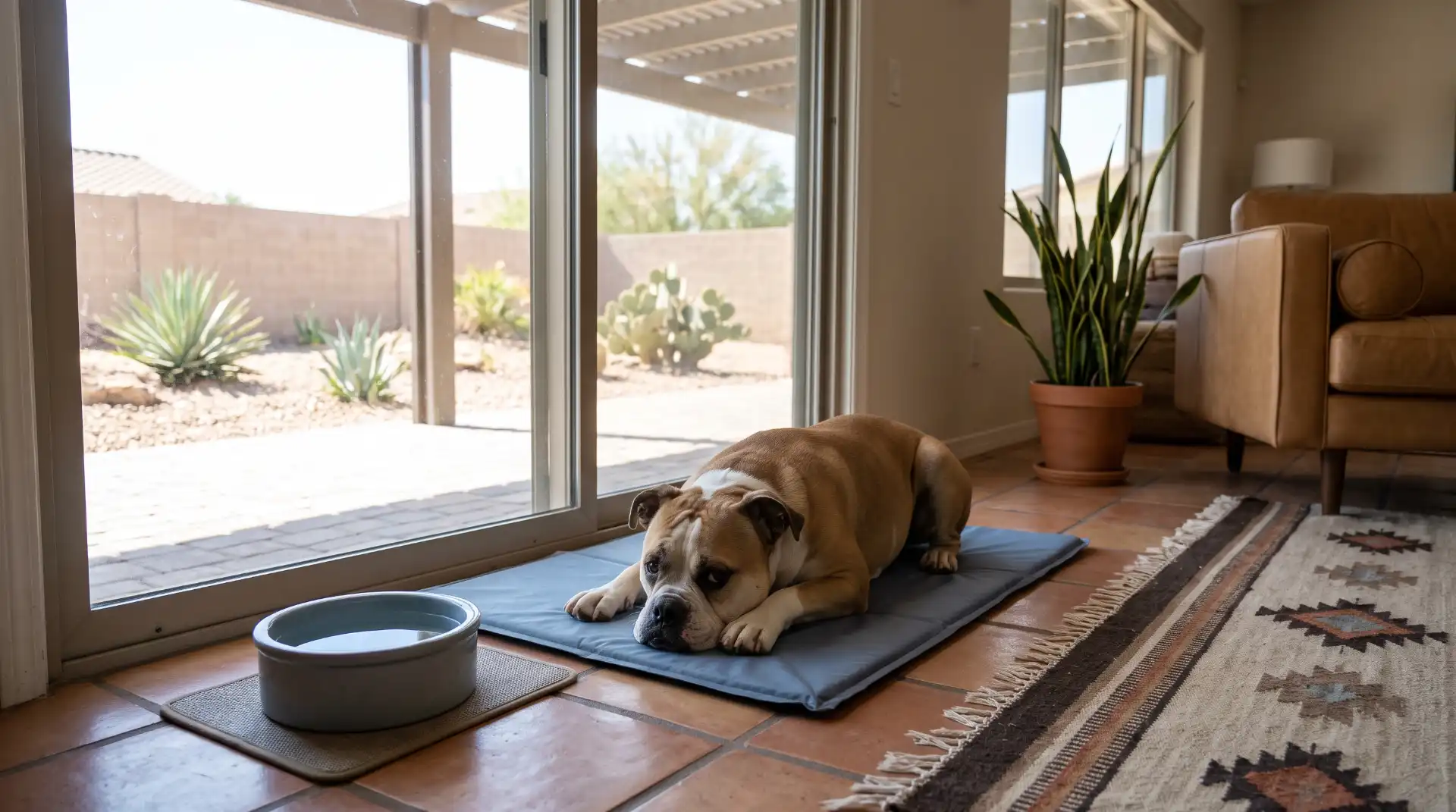
Early morning walks, shorter outdoor activities, access to air conditioning, fresh drinking water, and indoor enrichment can help the dog maintain an appropriate lifestyle.
Owners should also recognize that the breed’s individual physical characteristics matter. A Continental Bulldog with healthy breathing and good physical conditioning may have different exercise requirements from one with respiratory limitations or excess body weight.
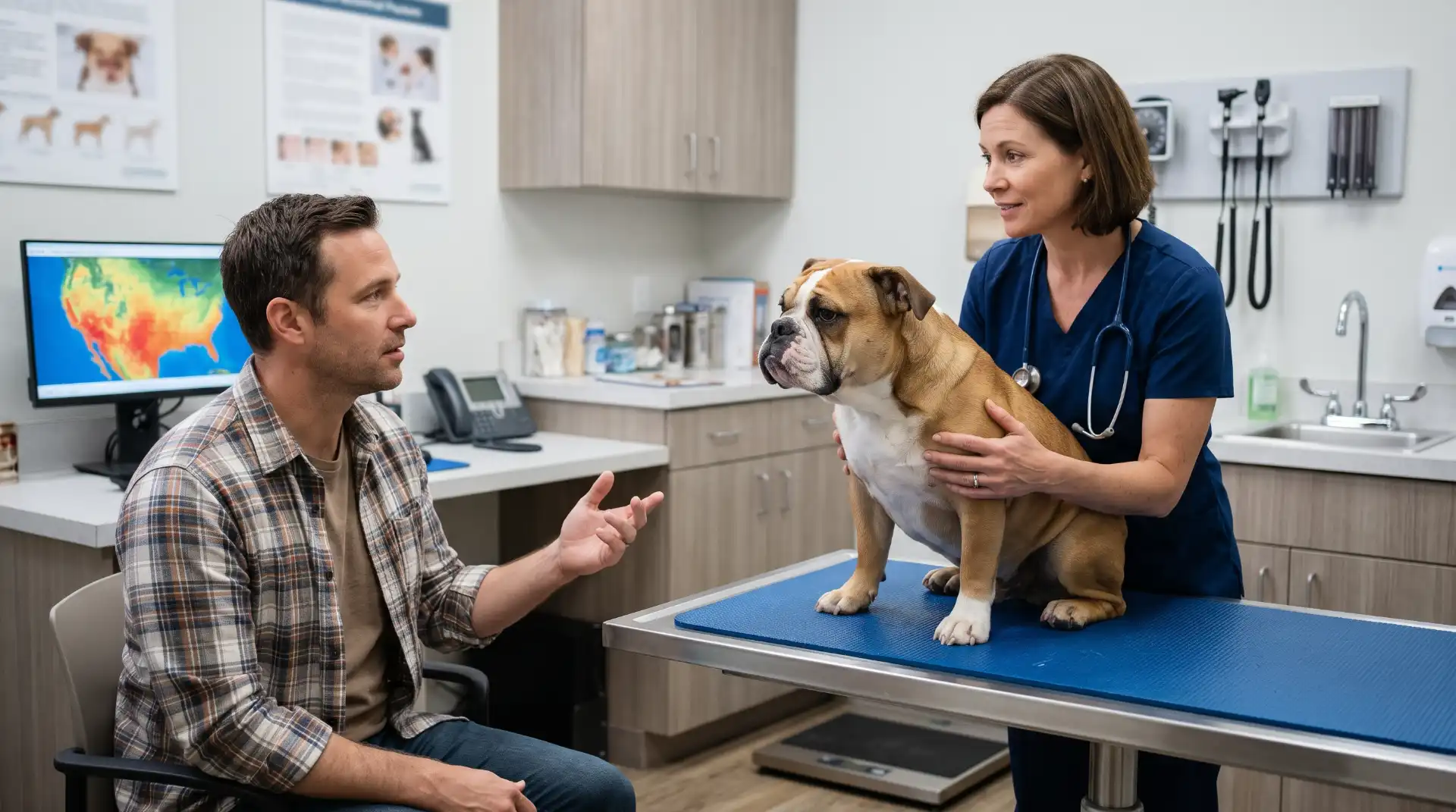
A veterinary assessment before relocation can help identify potential concerns and establish appropriate exercise recommendations.
Why Functional Breathing Matters in Changing Climates
Breathing efficiency is an important consideration for bulldog-type dogs.
Dogs depend on panting to release excess body heat. When airflow is restricted, the cooling process may become less effective.
This is particularly relevant in environments where high temperatures combine with substantial humidity.
California’s Department of Public Health identifies dogs with restricted airways, including bulldogs and other brachycephalic breeds, as animals that can face increased heatstroke risks.
Its guidance on protecting pets during hot weather provides practical information about heat exposure, hydration, exercise, and warning signs.
Families should not assume that a dog is comfortable simply because it appears willing to continue walking.
Unusual breathing sounds, excessive panting, weakness, or difficulty recovering after activity deserve veterinary attention.
Could Climate Migration Increase Interest in Healthier Bulldog Characteristics?
As environmental awareness grows, prospective bulldog owners may become more interested in functional health rather than appearance alone.
They may ask breeders about breathing assessments, parental health, body structure, movement, and inherited conditions.
These are worthwhile questions regardless of where a family lives.
However, climate adaptability should never become an unsupported marketing promise.
No breeder should claim that a particular Continental Bulldog is immune to heatstroke or can safely exercise in extreme temperatures because of its breed.
Responsible breeding should prioritize overall health, sound structure, temperament, and genetic diversity.
What Continental Bulldog Owners Should Consider Before Relocating
Families planning to move with a Continental Bulldog should evaluate the destination’s typical summer conditions, humidity, availability of indoor cooling, and access to veterinary services.
They should also consider the dog’s age, current fitness, breathing characteristics, and medical history.
For additional practical information, owners can read Heat and Breathing: How to Keep Your Continental Bulldog Safe in Warm Climates.
Households preparing for changing weather conditions can also benefit from How to Protect Your Continental Bulldog From Extreme Heat During the 2026–2027 Super El Niño.
These considerations demonstrate why choosing a dog for a particular climate requires more than examining coat length or breed popularity.
How Climate Migration Could Affect Animal Shelters and Dog Adoption
Climate migration may also influence animal welfare organizations.
When households relocate because of wildfires, hurricanes, flooding, or other environmental disruptions, shelters and rescue groups may experience additional demand for their services.
Some dogs become separated from their owners during evacuations. Others need temporary foster care while families search for suitable housing.
In more difficult situations, financial pressure and housing restrictions may prevent owners from keeping their pets.
These challenges can create additional responsibilities for local animal shelters.
Temporary Displacement and Pet Surrenders
A family displaced by a wildfire may initially stay with relatives or move into temporary accommodation.
However, not every temporary housing provider accepts pets.
Restrictions may involve dog size, weight, breed, or the number of animals allowed.
A household with a large Labrador Retriever may therefore face different accommodation challenges from a family traveling with a small companion dog.
Even owners who strongly want to keep their pets can experience difficulties finding suitable accommodation during an emergency.
Some may turn to boarding facilities, friends, relatives, or animal rescue organizations.
Others may eventually surrender their dogs if they cannot find a realistic long-term solution.
This demonstrates why pet-friendly emergency accommodation is an important part of climate resilience.
Could Regional Adoption Preferences Change?
If environmental pressures influence where families live, animal shelters may eventually notice changes in the characteristics of dogs being adopted in different communities.
For example, households moving into denser urban environments may increasingly consider smaller companion dogs.
Communities attracting families interested in outdoor recreation may continue to see interest in active breeds.
However, these possibilities should not be confused with established nationwide adoption trends.
Shelter populations are influenced by numerous factors, including local breeding activity, household income, housing availability, owner surrender rates, and animal control policies.
Climate migration could become one additional influence rather than the primary explanation for changing adoption patterns.
Why Foster Networks Are Important During Environmental Emergencies
Temporary foster care can help families keep their dogs during difficult relocation periods.
A household evacuated because of flooding might need somewhere safe for its dog while arranging temporary accommodation.
A foster network can provide short-term support without requiring permanent separation.
Animal shelters, veterinary clinics, nonprofit organizations, and community volunteers can work together to coordinate these arrangements.
Such programs may become increasingly valuable in communities experiencing repeated environmental emergencies.
How Families Should Choose a Dog When Planning a Climate-Related Move
Choosing a dog should involve careful consideration of the family’s long-term living conditions.
A household should not select a breed solely because it is fashionable, attractive, or commonly associated with a particular state.
Instead, prospective owners should examine the dog’s health, temperament, exercise requirements, grooming needs, and environmental sensitivity.
Climate migration makes this process particularly important because the household may experience different seasonal conditions over the dog’s lifetime.
Research the Destination’s Climate Before Adopting
Families planning to relocate should research more than the average annual temperature of their destination.
Important factors include:
-
Typical summer and winter temperatures.
-
Humidity and nighttime temperatures.
-
Frequency of prolonged heat waves.
-
Wildfire exposure and seasonal air quality.
-
Heavy rainfall and flooding risks.
-
Availability of shaded walking areas.
-
Access to reliable heating and cooling.
-
Distance to veterinary clinics and emergency hospitals.
For example, a family considering Austin, Texas, should understand the challenges of prolonged summer heat rather than relying exclusively on average annual weather statistics.
Similarly, a household moving to Denver should consider winter conditions, elevation, dry air, and summer temperatures.
Climate conditions can also vary considerably within the same metropolitan area.
Researching the specific destination is therefore more useful than relying on broad descriptions of an entire state.
Evaluate the Individual Dog’s Health
Breed characteristics provide useful information, but individual health is often more important when assessing environmental tolerance.
Two dogs belonging to the same breed may have very different exercise capacities and medical requirements.
An older dog with cardiovascular disease may need more protection from heat than a younger, healthy dog.
An overweight dog may also face greater difficulty during strenuous activity in hot weather.
Before relocating, owners should discuss the move with their veterinarian, particularly if the dog has respiratory problems, mobility limitations, heart disease, or other existing medical conditions.
A veterinary assessment can help determine whether the dog’s current exercise routine needs to change.
Consider the New Home’s Indoor Environment
A comfortable indoor environment can be essential in regions experiencing extreme temperatures.
Families should evaluate whether their new property has dependable heating and cooling, adequate ventilation, and a comfortable resting area for the dog.
Other considerations include secure windows and doors, access to clean drinking water, suitable flooring, and enough space for indoor enrichment.
Households moving into smaller properties should also consider how they will meet the dog’s physical and mental activity requirements.
A large backyard is not essential for every dog, but regular exercise, social interaction, and enrichment remain important.
Consider the Entire Year, Not Just Moving Day
A family relocating during spring may initially experience comfortable weather.
However, the following summer or winter could introduce unfamiliar environmental challenges.
A household moving to Oregon in April may not fully appreciate the implications of wildfire smoke later in the year.
Similarly, a family arriving in Florida during winter may not immediately understand how summer humidity affects its dog’s exercise routine.
Long-term planning should account for all seasons.
The objective is to select a dog whose needs can be accommodated throughout the year rather than one that appears suitable only during the family’s first few months in a new location.
Preparing Dogs for Climate-Related Relocation
Moving can be stressful for dogs even when the destination offers generally comfortable living conditions.
Dogs rely on familiar surroundings, household routines, sleeping arrangements, and relationships with their owners.
Relocation introduces unfamiliar smells, noises, travel experiences, and changes in everyday activities.
When the move also involves a significant climate difference, additional preparation may be necessary.
Create a Climate-Specific Pet Travel Kit
Before leaving, prepare a travel kit containing the supplies necessary to maintain the dog’s normal care routine.
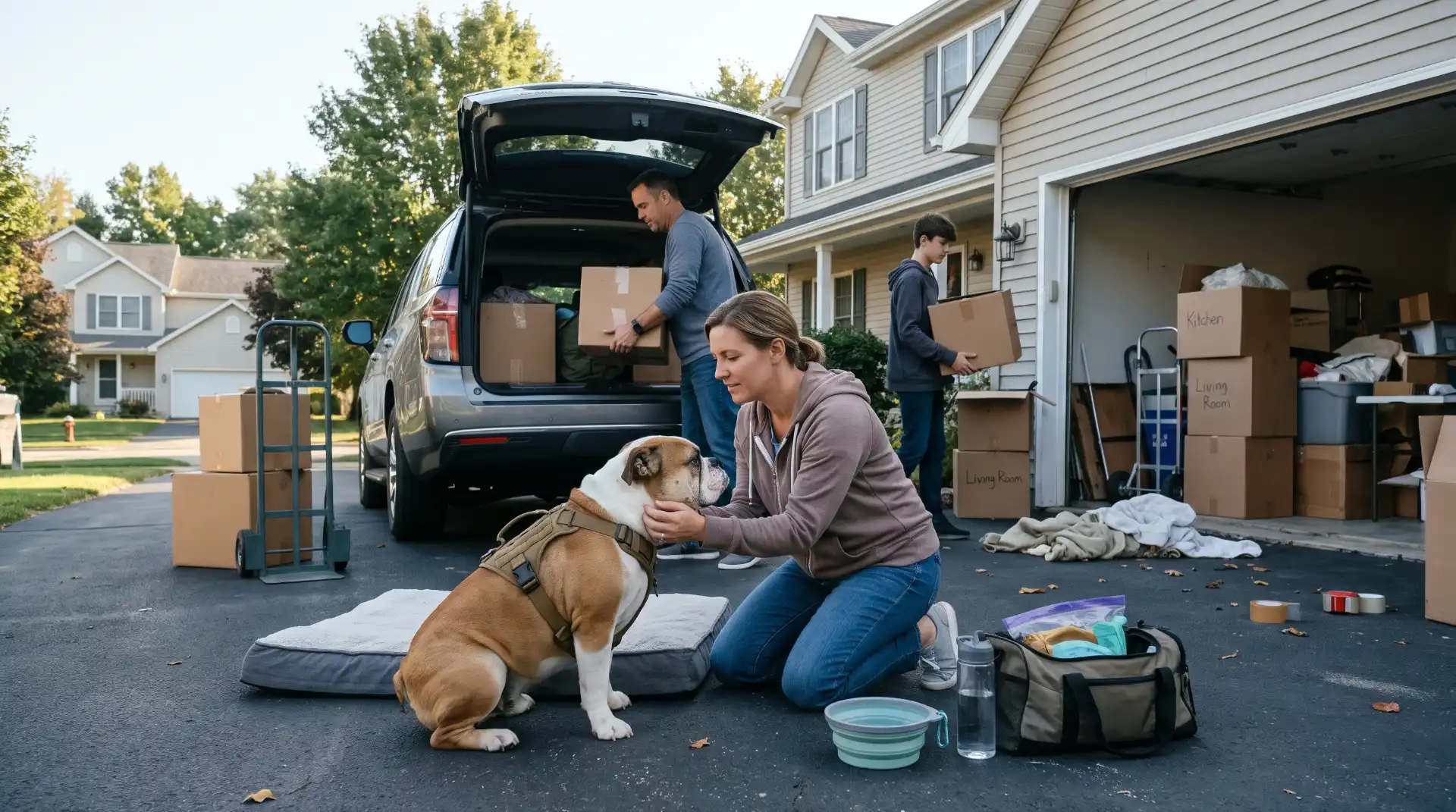
Include the dog’s regular food, drinking water, portable bowls, medication, veterinary records, leash, harness, identification tags, waste bags, and familiar bedding.
For longer journeys, research veterinary hospitals and emergency services along the travel route.
Families traveling through hot regions should plan rest stops carefully and avoid leaving dogs unattended inside vehicles.
Transportation should also account for ventilation, appropriate restraints, and opportunities for safe breaks.
Maintain Familiar Feeding and Sleeping Routines
Relocation can disrupt a dog’s normal schedule.
Whenever possible, maintain familiar feeding times, food brands, sleeping arrangements, and daily activities.
Sudden dietary changes can cause digestive problems, while unfamiliar sleeping environments may contribute to anxiety.
Bring recognizable toys, blankets, and bedding to help the dog settle into its new home.
These familiar items can make the transition more comfortable.
Gradually Adjust Exercise Routines
A dog moving from a cooler environment into a hot region may need a different exercise schedule.
However, gradual adjustment does not mean exposing the animal to dangerous temperatures to build tolerance.
Owners should immediately avoid strenuous activity when environmental conditions are unsafe.
Instead, establish a routine that includes cooler walking periods, shorter outings, indoor enrichment, and sufficient rest.
Families relocating to colder regions should also become familiar with winter walking precautions, appropriate protective clothing when necessary, and paw care.
Learn to Recognize Heat-Related Illness
Heatstroke is a serious veterinary emergency.
Warning signs can include excessive panting, heavy drooling, weakness, vomiting, confusion, unsteadiness, and collapse.
Dogs with restricted airways, excess body weight, advanced age, or existing medical conditions may be particularly vulnerable.
If heatstroke is suspected, move the dog to a cooler environment, begin safe cooling with cool or room-temperature water, and contact a veterinarian immediately.
Do not delay professional treatment while attempting home remedies.
Prepare for Wildfires, Floods, and Severe Storms
Moving away from one environmental hazard does not guarantee protection from every other hazard.
A family leaving a wildfire-prone community may relocate somewhere that experiences hurricanes or flooding.
Likewise, households moving away from coastal regions may encounter tornadoes, severe thunderstorms, or winter emergencies.
Owners should understand the hazards associated with their destination and prepare accordingly.
The CDC’s emergency preparedness guidance for pets recommends preparing emergency supplies and including companion animals in household evacuation plans.
A practical emergency kit should contain:
-
Several days of the dog’s normal food and drinking water.
-
Medication and copies of veterinary records.
-
A secure leash, harness, collar, and identification tags.
-
Updated microchip registration information.
-
A suitable carrier or travel crate.
-
Waste bags and cleaning supplies.
-
Familiar bedding and comfort items.
-
Recent photographs of the dog.
-
Emergency veterinary contacts.
-
Information about pet-friendly hotels and temporary accommodation.
Owners should also identify someone who can care for their dog if an emergency occurs while they are away.
Could Climate Migration Influence Future Dog Breeding Practices?
Climate migration could eventually influence not only the decisions of pet owners but also the priorities of responsible breeders.
As families become more aware of environmental conditions, they may pay greater attention to canine health, physical function, and the characteristics that influence a dog’s ability to live comfortably in different environments.
This does not mean breeders will begin producing entirely new categories of climate-resistant dogs. Instead, changing consumer expectations could encourage greater attention to functional health and responsible breeding decisions.
Greater Attention to Respiratory Health
Respiratory function is particularly important for dogs living in regions with prolonged heat and humidity.
Breeds with severely restricted airways may face additional challenges because breathing is central to their ability to regulate body temperature.
Future dog owners may increasingly ask breeders about respiratory assessments, parental health, and the physical characteristics of breeding dogs.
This could encourage more responsible conversations about the relationship between canine anatomy and environmental conditions.
However, healthy breathing does not make a dog immune to heatstroke. All dogs require appropriate protection during extreme temperatures.
Coat Characteristics Will Remain Only One Consideration
As temperatures rise in certain regions, some prospective owners may become more interested in short-coated dogs.
However, breeding decisions should never focus exclusively on coat length.
A dog’s ability to tolerate environmental conditions depends on multiple characteristics, including body structure, respiratory function, age, health, and physical conditioning.
A short-coated dog can still struggle in extreme heat, while a healthy double-coated dog may live comfortably in a warmer region with appropriate care.
Breeding programs should prioritize overall health, genetic diversity, temperament, and sound physical structure rather than attempting to create dogs marketed as suitable for every climate.
Ethical Breeding and Long-Term Animal Welfare
Climate-related consumer preferences could create new marketing opportunities for breeders.
Unfortunately, this may also encourage exaggerated claims about heat tolerance, cold resistance, or environmental adaptability.
Prospective owners should be cautious about advertisements suggesting that a particular breed can comfortably tolerate extreme temperatures without additional precautions.
Responsible breeders should provide realistic information about inherited health conditions, veterinary assessments, exercise requirements, and environmental needs.
The goal should be to produce healthy dogs that can enjoy long, comfortable lives with responsible owners.
The Economic Side of Climate Migration and Pet Ownership
Relocating with a dog can create financial responsibilities that families may not immediately anticipate.
Moving expenses, housing deposits, transportation, veterinary care, and changes in everyday routines can all affect the household budget.
Environmental conditions may introduce additional costs that become particularly important after relocating.
Cooling Costs and Pet-Friendly Housing
Families moving into hotter regions may need to budget for increased electricity consumption because air conditioning becomes an important part of keeping their dogs comfortable.
This can be particularly relevant for households with older dogs or breeds with respiratory limitations.
A family renting an apartment in Phoenix, for example, may prioritize a property with dependable cooling rather than selecting a cheaper unit with inadequate ventilation.
Pet-friendly housing can also become more competitive in communities experiencing population growth.
Some landlords impose additional deposits, monthly pet fees, breed restrictions, or weight limits.
These policies can create difficulties for families relocating with large dogs or multiple pets.
Veterinary Expenses After Relocation
Moving into a different climate may introduce new veterinary considerations.
Dogs may need updated parasite prevention, additional skin-care management, or consultations about heat tolerance and respiratory health.
In some regions, owners may also encounter different tick species, mosquito exposure, and other local environmental health concerns.
Veterinary expenses vary between communities, so researching local clinics before relocating can help families prepare financially.
Establishing a relationship with a veterinarian before an emergency occurs is also beneficial.
Emergency Preparedness Can Reduce Unexpected Expenses
Climate-related disasters can create substantial financial pressure.
Evacuation transportation, temporary boarding, replacement supplies, emergency veterinary treatment, and temporary accommodation can become expensive.
Families can reduce some of these difficulties by maintaining emergency supplies and setting aside money for unexpected pet-care expenses.
Pet insurance may also be worth considering, although owners should carefully review exclusions, waiting periods, reimbursement limits, and pre-existing condition restrictions.
Insurance should not be assumed to cover every expense associated with natural disasters or relocation.
What Could the Future of Dog Ownership Look Like in the United States?
Over the coming decades, climate-related population movement could gradually influence the geographic distribution of dog ownership.
Some communities may experience greater demand for dogs that fit apartment living, while others may continue attracting households interested in outdoor recreation and larger working breeds.
However, the changes are unlikely to follow a simple pattern in which hot states become dominated by short-haired dogs and northern states become dominated by thick-coated breeds.
American dog ownership is influenced by much more than geography.
People choose dogs because of companionship, temperament, family compatibility, appearance, working abilities, and personal interests.
These preferences will continue to influence breed popularity regardless of changing weather patterns.
Nevertheless, environmental considerations may become a more prominent part of the decision-making process.
Greater Awareness of Climate-Appropriate Pet Care
One likely development is greater public awareness of how local weather affects dogs.
Veterinarians, breeders, shelters, and animal welfare organizations may increasingly discuss environmental considerations during adoption consultations and routine appointments.
For example, families adopting dogs in regions experiencing frequent heat waves may receive more detailed information about cooling, hydration, exercise schedules, and heatstroke prevention.
Households moving into colder communities may receive guidance about winter walking, paw protection, and safe outdoor exposure.
This education can benefit dogs regardless of whether climate migration changes regional breed popularity.
More Informed Adoption Decisions
Climate-related relocation may encourage prospective owners to think more carefully before adopting a dog.
Rather than choosing a breed exclusively because of appearance or popularity, families may consider their long-term ability to provide suitable care.
This could encourage more informed discussions about temperament, physical characteristics, grooming, exercise, and health.
Shelters and responsible breeders can support this process by explaining the practical responsibilities associated with different dogs.
The most important outcome would not be a particular breed becoming more fashionable. It would be more families choosing dogs whose needs they can consistently meet.
Climate Resilience Could Become Part of Pet-Friendly Community Planning
Local governments may also need to consider companion animals when developing climate adaptation strategies.
Public cooling centers, emergency shelters, evacuation facilities, and disaster-response programs can become more effective when they account for pets.
Communities could improve preparedness by expanding pet-friendly emergency accommodation, identifying animal evacuation routes, and coordinating with veterinary clinics and rescue organizations.
Parks and recreational facilities may also need to consider shade, drinking water access, and surface temperatures.
These improvements can make communities more comfortable for dogs while benefiting their owners.
Frequently Asked Questions About Climate Migration and Dog Breeds
Can climate change cause certain dog breeds to become more popular in specific states?
Potentially, yes. Climate change could influence regional dog breed popularity indirectly by affecting where families live and what types of pets they feel comfortable caring for.
For example, households relocating to hotter regions may pay greater attention to respiratory health, body structure, and heat tolerance when selecting a new companion.
Families moving into colder regions may consider coat characteristics and winter care requirements.
However, there is currently no established nationwide pattern demonstrating that climate migration is changing dog breed popularity in a predictable way.
Are some dog breeds better suited to hotter U.S. states?
Certain physical characteristics can influence how dogs manage warm weather.
Dogs with unrestricted breathing, appropriate body condition, and good overall health may have advantages under some circumstances.
However, no breed is automatically protected from heatstroke.
Age, humidity, activity level, body weight, and access to cooling are important considerations.
Families should consult a veterinarian when choosing a dog for a region experiencing prolonged extreme heat.
Should I avoid adopting a Siberian Husky if I am moving to Arizona?
Not necessarily. A Siberian Husky can live in a warm state when its owner provides appropriate indoor cooling, careful exercise management, fresh water, and protection from extreme temperatures.
However, the breed’s dense coat and substantial exercise requirements create additional responsibilities.
Families considering a Husky should be realistic about their ability to maintain an appropriate environment throughout the year.
Can Continental Bulldogs live comfortably in hot climates?
Continental Bulldogs can live in warm climates, but individual health and environmental management are important.
Owners should pay attention to respiratory function, body condition, hydration, and exercise intensity.
Hot and humid conditions can create additional challenges for dogs with restricted airways.
Access to indoor cooling and an appropriately managed exercise routine can help reduce environmental risks.
Will climate migration cause dog breeds to evolve?
Human relocation does not automatically cause dog breeds to evolve.
Dog breeds are shaped by inherited characteristics and breeding practices over generations.
Climate migration may influence which breeds people choose, where dogs are raised, and which physical traits responsible breeders prioritize.
However, significant biological changes would require generations of inherited variation and selection. Ordinary household relocation will not rapidly transform existing dog breeds.
Are mixed-breed dogs better for changing climates?
Not automatically.
Mixed-breed dogs can have a wide variety of physical characteristics, but their ancestry does not guarantee heat tolerance, cold resistance, or freedom from inherited health problems.
Families should evaluate each dog’s individual health, physical characteristics, temperament, and exercise requirements.
What should I consider before moving with my dog to another state?
Research the destination’s seasonal temperatures, humidity, severe weather risks, veterinary services, and pet-friendly housing.
Also consider transportation arrangements, your dog’s medical needs, and whether the new home provides appropriate indoor conditions.
If your dog has existing medical problems, arrange a veterinary consultation before moving.
Can wildfires and hurricanes affect dog adoption rates?
They can influence animal shelter demand and adoption circumstances, particularly when families are displaced or separated from their pets.
Disasters may create temporary fostering needs, increased shelter intake, and changes in adoption demand.
However, the effects vary by community and disaster severity. It would be inaccurate to assume that every major weather event produces identical adoption trends.
Should breeders consider climate change when choosing breeding dogs?
Breeders should prioritize overall health, functional structure, sound breathing, temperament, and genetic diversity.
Environmental adaptability can be part of responsible breeding discussions, but it should not justify breeding dogs with exaggerated or unhealthy physical characteristics.
Claims that a particular breed is immune to extreme temperatures should be treated cautiously.
How can I prepare my dog for climate-related emergencies?
Maintain an emergency supply of food, water, medication, identification, veterinary records, and transportation equipment.
Research pet-friendly evacuation destinations and identify someone who can care for your dog if an emergency occurs while you are away.
Keep your dog’s microchip information updated and make sure identification tags contain current contact details.
Will future dog owners choose breeds based more on climate than appearance?
Climate may become a more important consideration, but appearance will likely remain one of many factors influencing dog ownership.
Temperament, size, health, lifestyle compatibility, and personal preferences will continue to matter.
The most responsible approach is to consider appearance alongside the dog’s long-term care requirements rather than making decisions based exclusively on fashion or weather.
Final Thoughts: Climate Migration May Change Where Dogs Live More Than Which Dogs Exist
Climate migration could gradually reshape the American pet ownership landscape as families respond to changing temperatures, environmental hazards, housing conditions, and regional living costs.
These changes may influence which dog breeds become popular in particular communities, how shelters manage adoption demand, and what families prioritize when choosing their next companion.
However, the relationship between climate migration and dog breeds is not straightforward. A household moving from California to Minnesota will not necessarily replace its existing dog with a cold-weather breed. Likewise, a family relocating from Florida to Colorado may continue caring for its original pet with appropriate environmental adjustments.
The more meaningful change may involve how people evaluate the responsibilities of dog ownership.
Families could become more attentive to respiratory health, coat characteristics, exercise requirements, cooling needs, and the availability of veterinary care. Responsible breeders may face greater interest in functional health, while shelters may need to develop more effective systems for supporting animals affected by environmental displacement.
For Continental Bulldog owners, these developments reinforce an important principle: a dog’s well-being should always come before regional trends or breed popularity.
A healthy dog can enjoy life in many different environments when its individual needs are understood and consistently met. However, no dog should be expected to tolerate unsafe temperatures simply because its owner has relocated.
Ultimately, the future of dog ownership in the United States will depend less on finding a supposedly perfect climate-resistant breed and more on creating communities, homes, and daily routines that allow different dogs to live healthy, comfortable lives.
As climate patterns continue to change, responsible pet ownership will increasingly involve understanding not only the dog but also the environment in which that dog lives.